Mayor Michelle Wu Advances Section 121B Multi-Family Housing Tax Incentives as Boston Readies Five Fare-Free Link Bus Routes
BPDA Board Approves Section 121B Tax Incentives to Spur Housing Production
BOSTON, Massachusetts — In a strategic municipal effort to counteract high borrowing costs and stimulate multi-family housing development, Boston Mayor Michelle Wu and the Boston Planning & Development Agency (BPDA) board advanced updated property tax incentive frameworks in mid-October 2026. Under the approved demonstration provisions of Massachusetts General Laws Chapter 121B, qualifying residential developments will receive structured property tax relief designed to unlock stalled construction financing and deliver essential housing units.
Under the policy guidelines, developers participating in the Section 121B tax abatement framework must commit to exceeding baseline municipal inclusionary housing requirements, guaranteeing permanent deed-restricted affordable units alongside contributions to the city's Inclusionary Development Policy fund. Housing officials stressed that target-driven tax predictability encourages private investment in shovel-ready residential projects while expanding the supply of workforce housing for working families, educators, and healthcare staff.
City Finalizes Preparations for Five Neighborhood 'Link Bus' Transit Corridors
In municipal transit innovation, the Boston Transportation Department (BTD) finalized operational planning for the upcoming rollout of five brand-new, fare-free 'Link Bus' routes. Designed to close critical first-mile and last-mile transit gaps in underserved neighborhoods—including Mattapan, Roxbury, and Allston-Brighton—the community bus loops are operated in coordinated partnership with regional Transportation Management Associations (TMAs).
The Link Bus initiative directly expands upon Mayor Wu’s signature fare-free municipal transit policy, complementing the ongoing success of fare-free MBTA bus routes 23, 28, and 29. Municipal planners emphasized that connecting residential neighborhoods directly to major commercial corridors, healthcare centers, and rapid MBTA subway stations lowers daily household transit expenses and improves job access across the city.
City Council Committees Review Infrastructure Contracts and Tax Assessments
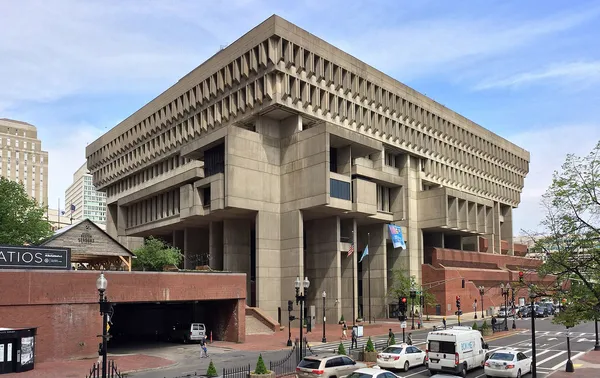
Concurrently inside Boston City Hall, City Council committees conducted public oversight hearings to review street furniture contracts, modernizing transit passenger shelters with weather-protective canopies and real-time transit display boards. The Council’s Ways and Means Committee also met with municipal tax assessors to evaluate residential valuation trends, ensuring balanced tax distributions while safeguarding municipal funding for Boston Public Schools.
Community organizers, transit equity advocates, and labor coalitions praised the synchronized actions across housing affordability and fare-free transit expansion, highlighting that comprehensive public investments reinforce Boston's reputation as a progressive, family-friendly commonwealth.
📰 Related Stories
- Boston Files Federal Lawsuit to Recover $20M Infrastructure Grant as Mayor Wu Delivers State of the Schools Address Boston • Oct 19, 2026
- Boston Files Federal Lawsuit to Recover $20M Infrastructure Grant as Mayor Wu Delivers State of the Schools Address Boston • Oct 19, 2026
- Boston Celebrates Opening of 51-Story South Station Tower as MBTA Accelerates Multimodal Transit Modernization Boston • Oct 17, 2026
- Mayor Michelle Wu Unveils $1M Community Clean Air Grants as Boston City Council Convenes Public Hearings on School Linguistic Equity Boston • Oct 18, 2026