D.C. Council Evaluates Revenue-Raising Package as Mayor Bowser Expands Office-to-Residential Conversions Across Downtown Core
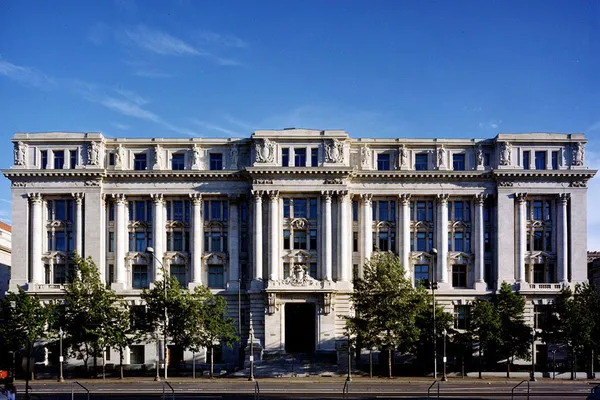
D.C. Council Committee of the Whole Convenes Public Revenue Hearings
WASHINGTON, District of Columbia — Facing ongoing multi-year budgetary pressures tied to evolving commercial real estate values and federal workforce shifts, the Council of the District of Columbia held extensive public oversight sessions in mid-October 2026 inside the John A. Wilson Building. Led by Council Chairman Phil Mendelson and the Committee of the Whole, lawmakers deliberated on a targeted legislative package consisting of seven revenue-generating measures designed to eliminate projected municipal budget shortfalls.
The proposed legislative adjustments examine commercial conveyance assessments, digital service transaction taxes, and localized business tax exemptions. While regional commercial alliances urged measured caution to protect regional economic competitiveness, community advocacy groups emphasized that targeted revenue enhancements are essential to sustain foundational investments in public education, homeless shelter services, and emergency rental assistance programs across all eight wards.
Downtown Office-to-Residential Conversions Accelerate Under HID Framework
Simultaneously across the central business district, Mayor Muriel Bowser and the Office of the Deputy Mayor for Planning and Economic Development (DMPED) advanced key milestones under the District's Housing in Downtown (HID) Program. The municipal initiative incentivizes developers to repurpose vacant or underperforming commercial office properties into vibrant residential housing by providing 20-year property tax abatements.
Municipal housing officials confirmed that several adaptive reuse projects are progressing rapidly through zoning reviews, adding hundreds of new residential units to downtown corridors near K Street and Pennsylvania Avenue. A significant percentage of newly constructed units remain deed-restricted for lower-income households and essential workers, fulfilling municipal targets to establish a vibrant 24-hour downtown ecosystem supported by neighborhood retail and dining.
Regional Transit Commitments and Long-Term Capital Stewardship
In transportation stewardship, District leaders reaffirmed their dedicated funding commitments to the Washington Metropolitan Area Transit Authority (WMATA), ensuring uninterrupted regional Metrorail and Metrobus service. Council members highlighted that dependable public transportation remains the backbone of the capital's post-pandemic economic recovery.
Civic leaders and housing advocates commended the dual focus on structural fiscal stabilization and urban core residential growth, emphasizing that proactive legislative policies reinforce the District's status as a resilient, thriving capital city.
📰 Related Stories
- Mayor Bowser and D.C. Council Advance RFK Waterfront Master Plan and Implement Strict Statutory Debt Safeguards Washington • Oct 24, 2026
- Mayor Bowser Transmits RFK Campus Master Plan to D.C. Council Featuring 6,500 Homes and Riverfront Parkland Washington • Oct 23, 2026
- D.C. Council Weighs Mayor Bowser's $550M Poplar Point Waterfront Plan as Stadium Climate Rules Spark Debate Washington • Oct 23, 2026
- Mayor Bowser Celebrates Aviator House Opening Under Housing in Downtown Program as D.C. Council Reviews Fiscal Revenue Measures Washington • Oct 18, 2026