Mayor Bowser Celebrates Aviator House Opening Under Housing in Downtown Program as D.C. Council Reviews Fiscal Revenue Measures
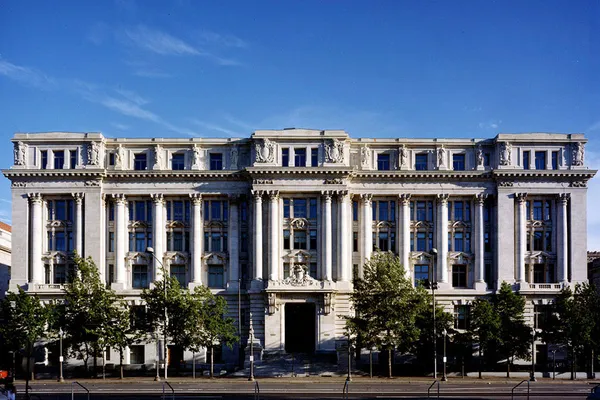
District Marks Major Urban Milestone with First Completed 'Housing in Downtown' Conversion
WASHINGTON, District of Columbia — Accelerating the revitalization of the nation's capital urban core, District of Columbia Mayor Muriel Bowser, alongside community housing advocates and economic development executives, gathered in mid-October 2026 for the ceremonial ribbon-cutting of Aviator House. The landmark adaptive reuse project marks the very first fully completed residential conversion delivered under the District's innovative Housing in Downtown (HID) Program, which offers targeted 20-year property tax abatements to developers converting underutilized commercial office space into high-density residential homes.
Located in the heart of the central business district, Aviator House converts a former federal contracting office building into hundreds of modern residential apartments, with a significant allocation preserved as permanently deed-restricted workforce housing for municipal workers, educators, and service professionals. Mayor Bowser highlighted that transforming obsolete commercial office blocks into vibrant, 24/7 residential communities stimulates ground-floor retail activity, bolsters dining establishments, and creates vital foot traffic across downtown corridors.
D.C. Council Evaluates Package of Seven Revenue Measures to Stabilize Municipal Finances
Inside the John A. Wilson Building, the Council of the District of Columbia convened intensive public oversight hearings conducted by the Committee of the Whole to examine seven legislative tax proposals. As lawmakers grapple with multi-year budget gaps driven by changing commercial property assessments, council members deliberated statutory adjustments spanning high-value commercial transactions, digital advertising revenues, and municipal business exemptions.
While regional business coalitions urged fiscal prudence to maintain commercial competitiveness across the Greater Washington area, progressive civic organizations advocated for targeted corporate contribution adjustments to sustain funding for public education, behavioral health clinics, and emergency rental diversion programs.
Legislative Committees Advance Autonomous Vehicle Framework and Container Refund Act
In committee proceedings, lawmakers advanced high-profile regulatory blueprints ahead of final year-end legislative sessions. The Council's Committee on Transportation and the Environment finalized statutory guardrails for the District's pending Autonomous Vehicle Regulatory Framework, establishing strict fleet safety standards, pedestrian-sensor verifications, and labor-impact reporting for commercial robotaxis operating in the capital.
Concurrently, environmental committees refined statutory timelines for the Recycling Refund and Litter Reduction Amendment Act, which establishes a 10-cent redeemable deposit on beverage containers to dramatically reduce plastic debris entering the Anacostia and Potomac river basins, reinforcing the District's commitment to climate resilience and urban vitality.
📰 Related Stories
- Mayor Bowser and D.C. Council Advance RFK Waterfront Master Plan and Implement Strict Statutory Debt Safeguards Washington • Oct 24, 2026
- Mayor Bowser Transmits RFK Campus Master Plan to D.C. Council Featuring 6,500 Homes and Riverfront Parkland Washington • Oct 23, 2026
- D.C. Council Weighs Mayor Bowser's $550M Poplar Point Waterfront Plan as Stadium Climate Rules Spark Debate Washington • Oct 23, 2026
- D.C. Council Evaluates Housing Investment Protection Act as Mayor Bowser Advances Transformative Reeves Center and Fletcher Johnson Projects Washington • Oct 18, 2026