D.C. Council Evaluates Housing Investment Protection Act as Mayor Bowser Advances Transformative Reeves Center and Fletcher Johnson Projects
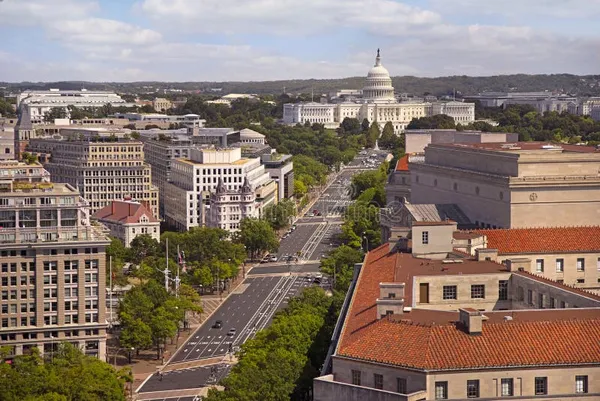
Council Evaluates Housing Investment Protection Act to Streamline Municipal Property Regulations
WASHINGTON, District of Columbia — Addressing structural operational hurdles across the regional residential market, the Council of the District of Columbia conducted extensive committee hearings in mid-October 2026 examining Mayor Muriel Bowser’s comprehensive legislative proposals: the Housing Investment Protection Act and the Illegal Occupancy Enforcement Amendment Act. Lawmakers and housing advocates deliberated statutory revisions designed to expedite prolonged landlord-tenant court proceedings, aiming to establish predictable 60-day hearing timelines while curbing unauthorized property occupations and unlawful short-term rentals.
The legislative package also introduces targeted modernizations to the District’s decades-old Tenant Opportunity to Purchase Act (TOPA), removing administrative gridlock that has stalled redevelopment capital while safeguarding legitimate tenant rights and preserving dedicated affordable housing financing streams across all eight wards.
Executive Leadership Fast-Tracks Mixed-Use Master Developments on Major Public Parcels
In major municipal development, the Office of the Deputy Mayor for Planning and Economic Development (DMPED) advanced critical approvals for multi-million-dollar mixed-use transformations on premier public properties. Groundwork accelerated on the redevelopment of the Frank D. Reeves Center in Ward 1 along U Street NW, which will deliver hundreds of mixed-income residences, civil rights cultural institutions, and municipal administrative offices.
Simultaneously in Ward 7, the administration finalized pre-development agreements for the expansive Fletcher Johnson site in Marshall Heights. The project transforms a long-vacant 15-acre institutional footprint into a vibrant community campus featuring family-sized affordable apartments, health clinics, workforce development classrooms, and extensive public parklands.
WMATA Bolsters Autumn Metrorail Capital Upgrades and Transit Coordination
Complementing urban housing growth, the Washington Metropolitan Area Transit Authority (WMATA) executed scheduled autumn track maintenance, rail power modernization, and digital platform system upgrades across core Red, Orange, and Silver Line transit corridors. Regional transportation planners praised the synchronized coordination between heavy rail transit reliability and transit-oriented neighborhood housing, underscoring that dependable infrastructure is critical for the District’s economic resilience.
📰 Related Stories
- Mayor Bowser and D.C. Council Advance RFK Waterfront Master Plan and Implement Strict Statutory Debt Safeguards Washington • Oct 24, 2026
- Mayor Bowser Transmits RFK Campus Master Plan to D.C. Council Featuring 6,500 Homes and Riverfront Parkland Washington • Oct 23, 2026
- D.C. Council Weighs Mayor Bowser's $550M Poplar Point Waterfront Plan as Stadium Climate Rules Spark Debate Washington • Oct 23, 2026
- Mayor Cherelle Parker Marks 1,000 Days in Office with Kensington Public Safety Gains and $2B H.O.M.E. Housing Plan Philadelphia • Oct 24, 2026