How to Care for Your Eyes After Blepharoplasty
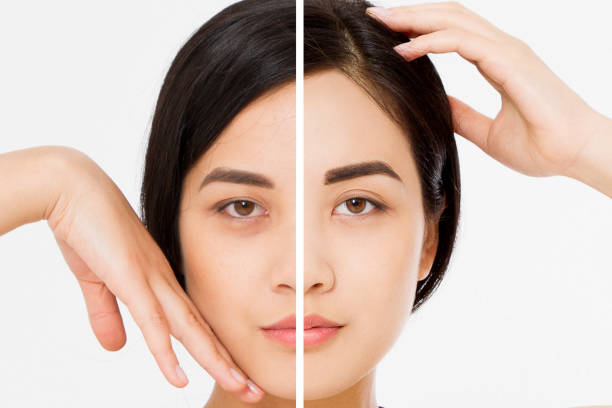
Blepharoplasty, commonly known as eyelid surgery, is a cosmetic procedure designed to improve the appearance of the upper or lower eyelids by addressing excess skin, puffiness, and under-eye bags. Although the procedure can create a fresher and more youthful appearance, proper aftercare is essential for supporting healing, minimizing swelling, and achieving the best possible results. Understanding how to care for your eyes after surgery can help make your recovery more comfortable and manageable.
For individuals exploring EYE BAG Removal in Riyadh, knowing what to expect after treatment is an important part of making an informed decision. Whether you are researching eyelid surgery or searching for eye bags surgery near me, following appropriate aftercare instructions can help protect the delicate skin around your eyes and support a smoother recovery. Your surgeon's recommendations should always take priority because recovery needs can vary depending on the procedure performed.
Why Is Aftercare Important After Blepharoplasty?
The skin surrounding the eyes is delicate and sensitive, making it particularly important to follow a careful recovery routine after eyelid surgery. Swelling, bruising, tightness, and mild discomfort are common during the initial healing period. Proper care can help manage these temporary effects while reducing unnecessary irritation.
Following postoperative instructions also helps protect the surgical incisions and allows the tissues to heal gradually. Patients should attend follow-up appointments, avoid activities that may strain the eyes, and contact their healthcare provider if they experience unusual symptoms.
Essential Tips for Eye Care After Eyelid Surgery
Apply Cold Compresses as Directed
Cold compresses may help reduce swelling and bruising during the early stages of recovery. Use them only according to your surgeon's instructions, keeping the compress clean and avoiding direct pressure on the eyelids. Never apply ice directly to the skin, as extreme cold can cause damage to sensitive tissues.
Keep Your Head Elevated
Keeping your head elevated, particularly while sleeping, may help minimize fluid accumulation around the eyes. Use supportive pillows to maintain a comfortable position and follow your surgeon's recommendations regarding sleeping on your back. Avoid positions that place pressure on the operated area.
Follow Incision Care Instructions
Keeping the surgical area clean is essential for supporting proper healing. Follow your healthcare provider's instructions for cleaning the eyelids and applying any prescribed ointments or medications. Avoid rubbing, scratching, or pulling at the incisions, even if the skin feels tight or itchy.
Protect Your Eyes From Sunlight
After blepharoplasty, the skin around your eyes may be more sensitive to sunlight. Wear sunglasses that provide UV protection when outdoors and follow your surgeon's guidance about using sunscreen near healing incisions. Protecting the area can help reduce irritation while the skin recovers.
Habits to Avoid During Recovery
Avoid Strenuous Activities
Heavy lifting, intense exercise, and activities that increase blood pressure may worsen swelling or bleeding during early recovery. Resume physical activity gradually and only when your surgeon confirms it is appropriate. Avoid bending over repeatedly if advised, particularly during the initial healing period.
Do Not Rub Your Eyes or Wear Makeup Too Soon
Rubbing your eyes can irritate healing tissues and interfere with incision recovery. Avoid eye makeup, contact lenses, and skincare products near the surgical area until your healthcare provider confirms they are safe to use. Gentle handling is especially important during the first few weeks.
Follow Medication Instructions Carefully
Take prescribed medications exactly as directed and avoid adding new medications or supplements without consulting your healthcare provider. Some products may increase bleeding risk or interfere with recovery. If you experience discomfort that does not improve with your recommended treatment, seek medical advice.
What to Expect During the Recovery Period
Recovery varies depending on whether upper eyelid surgery, lower eyelid surgery, or both procedures were performed. Swelling and bruising are generally more noticeable during the first several days and gradually improve over the following weeks. Some patients return to routine activities relatively quickly, while others require additional recovery time.
Follow-up appointments allow your surgeon to assess healing and address any concerns. Although initial improvements may become visible as swelling subsides, the final appearance can take several weeks or longer to develop. Patience and consistent aftercare are important throughout this process.
Seek urgent medical attention if you experience sudden vision changes, severe or rapidly increasing pain, significant bleeding, or rapidly worsening swelling, especially if it affects one eye. These symptoms may indicate a serious complication and should not be ignored.
Frequently Asked Questions
How long does it take to recover from blepharoplasty?
Initial swelling and bruising often improve within one to two weeks, although complete healing and the final cosmetic results may take several weeks or longer. Individual recovery times vary.
Can I use my phone or computer after eyelid surgery?
You may be able to use screens for short periods as you feel comfortable, but take regular breaks if your eyes become dry, tired, or irritated. Follow your surgeon's advice, especially if you experience vision-related symptoms.
When can I wear makeup after blepharoplasty?
You should avoid eye makeup until your incisions have healed sufficiently and your surgeon confirms it is safe. Applying cosmetics too early may irritate the area or increase the risk of infection.
How can I reduce swelling after eyelid surgery?
Following instructions for cold compresses, keeping your head elevated, resting adequately, and avoiding strenuous activity may help reduce swelling. Do not apply pressure to the eyes or use unapproved treatments.
When should I contact my surgeon after blepharoplasty?
Contact your healthcare provider if you notice increasing redness, unusual discharge, fever, worsening pain, or symptoms that concern you. Sudden vision changes, severe pain, or rapidly increasing swelling require immediate medical evaluation.
Schedule Your Consultation at Enfield Royal Clinic
Understanding the recovery process can help you feel more confident when considering eyelid surgery. At Enfield Royal Clinic, patients can discuss their aesthetic goals, learn about suitable treatment options, and receive guidance on preparing for surgery and caring for their eyes afterward. A personalized consultation can help you understand the procedure, expected recovery, and steps needed to support safe healing and natural-looking results.
📰 Related Stories
- What Are the Common Risks and Complications of Rhinoplasty? Riyadh • Nov 07, 2026
- How Is High-Definition Liposuction Different From Standard Liposuction? Riyadh • Nov 07, 2026
- What Happens During an Eye Bag Removal Procedure? Riyadh • Nov 07, 2026
- Non-Ablative Laser Treatments for Acne Scars: A Gentle Approach to Smoother Skin Riyadh • Nov 04, 2026