How to Choose Non-Comedogenic Skincare Products
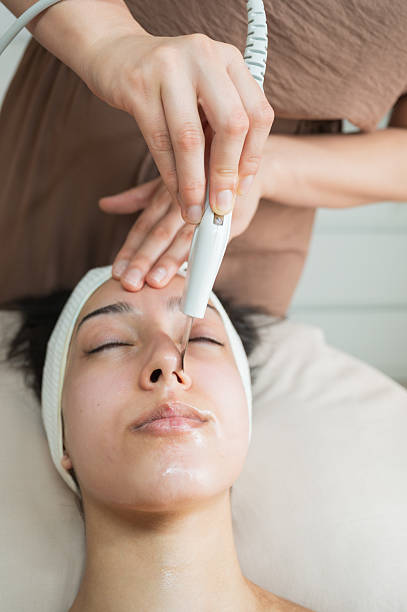
Choosing the right skincare products is essential for maintaining healthy, clear, and balanced skin. If you frequently experience clogged pores, blackheads, whiteheads, or acne breakouts, your skincare routine may include products that are too heavy for your skin type. Non-comedogenic skincare products are designed to minimize the likelihood of clogged pores, making them a useful option for people with oily, acne-prone, or combination skin. Understanding how these products work can help you make informed choices and build a skincare routine that supports your skin's needs.
For individuals concerned about breakouts and uneven skin texture, selecting suitable skincare products can also complement professional acne scar treatment in riyadh. While non-comedogenic products may help reduce the risk of new clogged pores, they do not directly remove established acne scars. Choosing the right cleanser, moisturizer, sunscreen, and other skincare essentials can help maintain healthier-looking skin and support your overall skincare goals.
What Does Non-Comedogenic Mean?
Non-comedogenic refers to skincare or cosmetic products formulated to be less likely to clog pores. When excess oil, dead skin cells, and other debris accumulate inside hair follicles, they can contribute to comedones, which include blackheads and whiteheads. These clogged pores may also contribute to inflammatory acne in some individuals.
However, the term non-comedogenic does not guarantee that a product will never cause breakouts. Skin reactions vary from person to person, and there is no single ingredient that is universally unsuitable for everyone with acne-prone skin. Paying attention to your skin's response is just as important as reading product labels.
How to Choose the Right Non-Comedogenic Skincare Products
Select a Gentle Facial Cleanser
A gentle cleanser helps remove excess oil, sweat, sunscreen, and daily impurities without unnecessarily irritating the skin. If your skin is oily or acne-prone, look for a lightweight cleanser labeled non-comedogenic and suitable for your skin type. Avoid harsh cleansing products that leave your face feeling excessively tight or dry, as irritation can make your skincare routine harder to tolerate.
Choose a Lightweight Moisturizer
Moisturizing is important even when your skin produces excess oil. A lightweight, non-comedogenic moisturizer can help maintain the skin barrier and reduce dryness caused by acne treatments. Gel-based or lotion-based formulas may feel more comfortable for oily skin, while people with dry skin may prefer richer formulations that are still suitable for their individual needs.
Look for Non-Comedogenic Sunscreen
Daily sun protection helps prevent sun damage and can reduce the darkening of post-acne marks. Choose a broad-spectrum sunscreen with SPF 30 or higher that is labeled non-comedogenic. Mineral and lightweight fluid formulas may suit some acne-prone individuals, although the best choice depends on personal comfort and tolerance.
Check Makeup and Other Skincare Products
Foundation, concealer, primers, facial oils, and other cosmetic products can all influence how your skin responds to a routine. Look for products labeled non-comedogenic and remove makeup thoroughly before sleeping. Introduce new products gradually instead of changing your entire routine at once, making it easier to identify potential triggers.
Which Ingredients Should You Look For?
Ingredients That Support Acne-Prone Skin
Some ingredients can help address specific skin concerns. Salicylic acid may help exfoliate inside pores and reduce blackheads, while niacinamide can support the skin barrier and help improve the appearance of excess oil and redness. Hyaluronic acid helps attract moisture, making it useful in hydrating formulas.
These ingredients are not suitable for every person or every routine. Start with products appropriate for your skin's tolerance, and avoid combining multiple strong active ingredients without understanding how they interact.
Understand Your Skin Type
Oily, dry, combination, and sensitive skin can all experience clogged pores. Oily skin may benefit from lightweight hydration, while dry or sensitive skin often needs gentle cleansing and barrier-supporting ingredients. If a product repeatedly causes irritation, itching, or new breakouts, discontinue it and consider professional advice.
Common Mistakes to Avoid When Choosing Skincare
One common mistake is assuming that expensive or popular products are automatically better for acne-prone skin. Another is using too many exfoliating products, which can damage the skin barrier and increase irritation. Scrubbing aggressively, skipping moisturizer, and changing products too frequently can also make it difficult to determine what works.
Remember that non-comedogenic labeling is a helpful starting point, not a guarantee. Patch-testing new products and introducing them individually can help you understand how your skin responds.
Frequently Asked Questions
Are non-comedogenic products suitable for acne-prone skin?
Yes, they can be a useful choice because they are formulated to be less likely to clog pores. However, individual reactions vary, and these products do not guarantee that acne will never develop.
Can non-comedogenic skincare remove acne scars?
Non-comedogenic skincare can help maintain skin health and reduce the likelihood of certain types of clogged pores, but established acne scars usually require targeted treatment. A qualified skincare professional can recommend suitable options based on the type of scarring.
How long does it take to see results from a new skincare routine?
Results depend on the products used and your skin concerns. Some people notice changes in hydration within days, while improvements in acne may take several weeks. Consistency and avoiding irritation are important.
Should people with oily skin use moisturizer?
Yes. A suitable moisturizer helps maintain the skin barrier and prevent excessive dryness. Choose a lightweight, non-comedogenic formula that feels comfortable on your skin.
Is non-comedogenic sunscreen necessary for acne-prone skin?
It is a helpful option because sun protection reduces UV damage and helps prevent post-acne marks from becoming darker. Choose a broad-spectrum sunscreen with SPF 30 or higher.
Get Personalized Skincare Guidance at Enfield Royal Clinic
Finding the right skincare routine begins with understanding your skin type, concerns, and individual needs. At Enfield Royal Clinic, you can explore professional skincare guidance and learn about suitable options for managing acne, clogged pores, and post-acne marks. Seek personalized advice to help you choose appropriate products and develop a skincare plan that supports clearer, healthier-looking skin.
📰 Related Stories
- Acne Scars vs. Active Acne: Understanding the Difference Riyadh • Oct 12, 2026
- How Sculptra and Radiesse Differ in Texture and Technique Riyadh • Oct 22, 2026
- Understanding Different Types of Stem Cell Therapy Riyadh • Oct 20, 2026
- A Patient’s Guide to the 8 Point Facelift with Juvederm Riyadh • Oct 20, 2026