What to Know Before Choosing Breast Lift Surgery
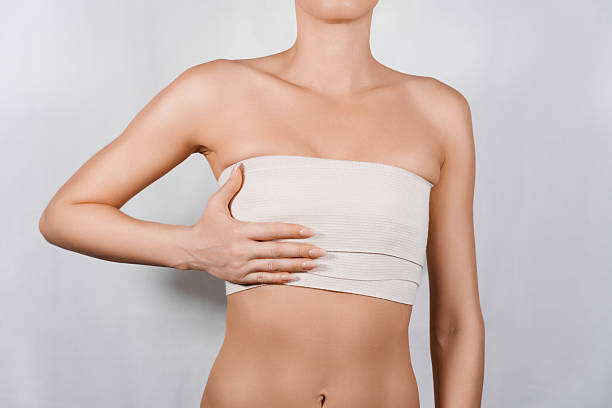
Breast shape and firmness can change over time because of aging, pregnancy, breastfeeding, weight fluctuations, and reduced skin elasticity. These changes may lead to sagging, stretched skin, or downward-pointing nipples, prompting some individuals to explore cosmetic surgery. Breast lift surgery, also known as mastopexy, is designed to raise and reshape the breasts by removing excess skin and repositioning the surrounding tissue. Before considering mastopexy in riyadh, it is important to understand the procedure, eligibility requirements, potential benefits, possible risks, recovery process, and factors that influence the final results.
What Is Breast Lift Surgery?
Breast lift surgery is a cosmetic procedure that improves breast position and contour without necessarily increasing breast size. During surgery, a qualified plastic surgeon removes excess skin, reshapes breast tissue, and repositions the nipples and areolas when needed. The surgical plan is tailored to the patient's anatomy, degree of sagging, skin quality, and aesthetic goals.
How Is a Breast Lift Different From Breast Augmentation?
A breast lift addresses sagging and changes in breast position, while breast augmentation is intended to increase breast volume using implants or, in selected cases, fat transfer. Some patients may benefit from combining the procedures if they want both a more elevated shape and additional fullness. A consultation helps determine which approach is appropriate.
Who Should Consider a Breast Lift?
Breast lift surgery may be suitable for adults who are concerned about sagging, reduced firmness, stretched skin, or changes in nipple position. Individuals should generally be in good overall health and understand that surgery can improve breast contour but cannot guarantee perfect symmetry or permanently prevent future changes.
Important Factors to Consider
-
Stable weight: Significant weight fluctuations after surgery may affect breast shape and skin elasticity.
-
Pregnancy plans: Pregnancy can change breast volume and may influence the longevity of surgical results. Discuss timing with your surgeon if you plan to become pregnant.
-
Smoking and nicotine use: Nicotine can interfere with circulation and wound healing, so your surgeon may require you to stop before and after surgery.
-
Realistic expectations: Understanding likely results, scars, and limitations helps support informed decision-making.
People considering Breast Lift Surgery in Riyadh should discuss their medical history, previous breast procedures, medications, allergies, and personal goals during an initial assessment.
Which Breast Lift Technique Is Right for You?
The technique depends on how much the breasts sag, the amount of excess skin, breast size, and nipple position. A plastic surgeon evaluates these factors before recommending an incision pattern.
Common Surgical Approaches
-
Crescent lift: May be considered for selected patients with very mild sagging.
-
Periareolar lift: Uses an incision around the areola and may address mild changes in breast position.
-
Vertical lift: Uses an incision around the areola and vertically toward the breast crease to allow more reshaping.
-
Anchor lift: Uses incisions around the areola, vertically downward, and along the breast crease when more extensive skin removal is needed.
Each technique has different benefits, limitations, and scar patterns. No single approach is best for everyone, and the surgeon's recommendation should reflect your anatomy and treatment goals.
What Are the Potential Benefits and Risks?
A breast lift can create a more elevated breast position, improve contour, and reposition the nipples when necessary. Some patients also find that clothing fits differently after their breast shape changes. However, results vary, and surgery does not stop natural aging, gravity, or the effects of future pregnancy and weight changes.
Like any operation, mastopexy carries risks, including bleeding, infection, anesthesia-related complications, delayed wound healing, visible scars, asymmetry, and changes in nipple or breast sensation. In some cases, additional surgery may be necessary. Breastfeeding ability can also be affected depending on the surgical technique and individual circumstances.
Before proceeding, ask your surgeon to explain the risks that are most relevant to your health and the measures used to reduce complications.
How Should You Prepare for Surgery?
Preparation involves a medical assessment and a clear discussion of expectations. Your surgeon may examine your breasts, evaluate skin quality and nipple position, review your medical history, and recommend additional assessments when appropriate.
Questions to Ask During Your Consultation
-
What results are realistic for my breast shape and anatomy?
-
Which surgical technique do you recommend, and why?
-
Where will the incisions and scars be located?
-
What complications should I understand before deciding?
-
How long might I need to limit work, exercise, and lifting?
-
Could the procedure affect nipple sensation or future breastfeeding?
-
What follow-up care will be required?
Share all medications and supplements with your medical team. Follow instructions about medication changes, nicotine use, fasting, and arranging help at home after surgery. Do not stop prescribed medication unless your clinician advises you to do so.
What to Expect During Recovery
Recovery varies according to the surgical technique and individual healing. Swelling, bruising, tightness, and discomfort are common during the initial recovery period. Your surgeon may recommend supportive garments, wound-care instructions, and appropriate medication.
Patients should rest, avoid strenuous exercise and heavy lifting until medically cleared, and attend scheduled follow-up appointments. Scars may be noticeable initially and can take many months to mature. Contact your surgical team if you experience fever, worsening pain, increasing redness, unusual discharge, or sudden swelling.
How to Make an Informed Decision
Choosing breast lift surgery involves more than considering the expected appearance. Patients should evaluate their health, lifestyle, recovery commitments, willingness to accept scars, and understanding of possible complications. It is important to choose a properly qualified plastic surgeon who explains the procedure clearly and encourages questions rather than promising specific results.
A personalized assessment is especially valuable for anyone considering Breast Lift Surgery in Riyadh, as it helps clarify the available techniques, likely outcomes, and suitability of surgery for individual circumstances.
Book an Appointment at Royal Clinic Saudia
Making an informed decision begins with a professional consultation and realistic expectations. Royal Clinic Saudia can help prospective patients discuss their breast-shaping concerns, understand available surgical options, and learn about preparation, recovery, and potential risks. If you are considering Breast Lift Surgery in Riyadh, arrange a consultation to discuss your goals and determine whether mastopexy may be suitable for your needs.
📰 Related Stories
- What Are the Common Risks and Complications of Rhinoplasty? Riyadh • Nov 07, 2026
- How Is High-Definition Liposuction Different From Standard Liposuction? Riyadh • Nov 07, 2026
- What Happens During an Eye Bag Removal Procedure? Riyadh • Nov 07, 2026
- Understanding Different Types of Stem Cell Therapy Riyadh • Oct 20, 2026