How Lymphatic Massage May Help With Temporary Swelling
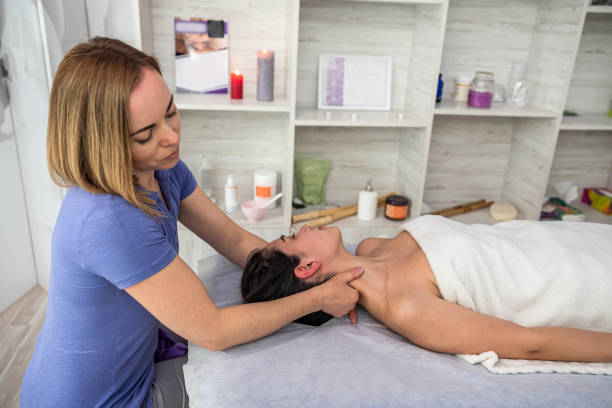
Temporary swelling can occur when fluid accumulates in the body’s tissues due to prolonged sitting, minor injuries, certain medical procedures, or changes in daily activity. Lymphatic massage is a gentle technique designed to encourage the movement of lymph fluid through the lymphatic system. For people exploring Lymphatic massage in Riyadh (مساج لمفاوي الرياض), understanding how this approach works can help them make informed decisions about managing mild swelling and supporting overall comfort. However, its suitability depends on the underlying cause of the swelling and a person’s medical history.
What Causes Temporary Swelling?
Temporary swelling, also known as edema, develops when excess fluid collects in the spaces between body tissues. It may affect the feet, ankles, hands, face, or other areas.
Common Reasons for Fluid Buildup
Several factors can contribute to temporary swelling, including:
-
Prolonged sitting or standing: Remaining in one position for extended periods can contribute to fluid pooling, particularly around the ankles and feet.
-
Physical activity: Intense exercise or minor injuries may cause localized inflammation and swelling.
-
Dietary habits: High sodium intake can contribute to fluid retention in some individuals.
-
Hormonal changes: Certain hormonal fluctuations may cause temporary puffiness.
-
Medical procedures: Some procedures can temporarily affect fluid movement as tissues heal.
Identifying the cause is important because swelling may sometimes indicate an underlying condition that requires medical evaluation rather than massage.
How Lymphatic Massage Works
The lymphatic system helps maintain fluid balance by collecting excess fluid from tissues and returning it to the bloodstream. It also plays an important role in immune function. When fluid movement is impaired, swelling may develop or persist.
Gentle Techniques That Encourage Fluid Movement
Manual lymphatic drainage involves slow, rhythmic, and light movements applied to the skin. A trained practitioner uses specific techniques intended to encourage lymph flow toward functioning lymphatic pathways and lymph nodes.
Unlike deep-tissue massage, lymphatic drainage generally uses very light pressure because many lymphatic vessels are located close to the skin’s surface. The technique should not cause significant pain or forceful tissue compression.
For suitable individuals, Lymphatic massage in Riyadh may be considered as one part of a broader plan to manage certain types of fluid buildup. Its effects vary depending on the cause of swelling, the person’s health, and whether the lymphatic system is functioning properly.
Potential Benefits for Temporary Swelling
Lymphatic massage may help selected individuals manage swelling when the technique is appropriate for their condition. It is not a universal solution, and results are not guaranteed.
Supporting Fluid Management
When swelling is associated with impaired lymphatic drainage, professionally performed manual lymphatic drainage may help move excess fluid from affected tissues. It is often used as part of a comprehensive approach to managing lymphedema, which may also include compression garments, exercise, skin care, and education.
Helping With Feelings of Puffiness and Tightness
Fluid buildup can make an affected area feel heavy, tight, or uncomfortable. Some people may experience temporary relief after an appropriate session. However, evidence for treating everyday puffiness in otherwise healthy individuals is more limited, and improvements may be short-lived.
Supporting Selected Postoperative Recovery Plans
Swelling can occur after surgery as part of the normal healing process. In certain cases, a healthcare professional may recommend lymphatic drainage as one element of recovery. It should only be started after the treating surgeon confirms that it is suitable and specifies when treatment can begin. Massage should never replace postoperative instructions or follow-up care.
What to Expect During a Session
A session usually begins with a discussion of your symptoms, health history, and reasons for seeking treatment. The practitioner should ask about recent surgery, existing medical conditions, medications, and any unexplained swelling.
A Gentle, Individualized Approach
Depending on the area being treated, the practitioner may use light, rhythmic movements in a planned sequence. The session should be adapted to your comfort and medical needs. Deep pressure is not generally required for manual lymphatic drainage.
Afterward, some people notice reduced tightness or a feeling of lightness, while others experience little noticeable change. The number and frequency of sessions depend on the condition being managed and the recommendations of a qualified healthcare professional.
People considering Lymphatic massage in Riyadh should choose a trained provider who explains realistic outcomes and recognizes when medical assessment is necessary.
Safety Considerations Before Treatment
Although lymphatic massage is gentle, it is not suitable for everyone. New, unexplained, persistent, or worsening swelling should be assessed by a healthcare professional before massage is considered.
When to Avoid Massage or Seek Medical Advice
Massage may be inappropriate in situations involving a suspected blood clot, active infection, or certain heart or kidney conditions unless a qualified clinician has assessed the situation and provided guidance. Sudden swelling in one leg, especially with pain, warmth, or redness, requires prompt medical evaluation. Chest pain or shortness of breath requires emergency medical attention.
Do not use massage to self-treat swelling when the cause is unknown. A healthcare professional can help determine whether the symptoms are related to fluid retention, an injury, a lymphatic condition, or another medical issue.
Everyday Habits That May Help Manage Mild Swelling
Depending on the cause, simple habits may complement an appropriate treatment plan:
-
Move regularly: Take breaks from prolonged sitting or standing and perform gentle movement when safe.
-
Elevate affected limbs: Raising swollen legs or feet may help fluid return toward the body’s circulation.
-
Stay hydrated: Maintain normal fluid intake unless your healthcare professional has advised a restriction.
-
Follow medical guidance: Use prescribed compression garments or other treatments only as recommended.
-
Monitor changes: Seek advice if swelling persists, returns frequently, or becomes more severe.
These measures are not suitable for every cause of swelling, so individual medical advice remains important.
Book a Consultation at Royal Clinic Saudia
Understanding the cause of temporary swelling is the first step toward choosing an appropriate approach. At Royal Clinic Saudia ( عيادات رويال كلينك ), a consultation can help you discuss your concerns, review whether lymphatic drainage may be suitable, and understand the precautions relevant to your health. If you are considering Lymphatic massage in Riyadh, seek professional guidance to make an informed decision based on your symptoms, medical history, and treatment goals.
📰 Related Stories
- What Are the Common Risks and Complications of Rhinoplasty? Riyadh • Nov 07, 2026
- How Is High-Definition Liposuction Different From Standard Liposuction? Riyadh • Nov 07, 2026
- What Happens During an Eye Bag Removal Procedure? Riyadh • Nov 07, 2026
- Steroid Injections for Patchy Hair Loss: An Effective Approach to Alopecia Areata Riyadh • Nov 04, 2026