Detroit Fast-Tracks Affordable Housing Approvals as DDOT Expands Bus Operations with $20M Budget Increase
PILOT Fast Track Ordinance Slashing Housing Approval Timelines to 60 Days
DETROIT, Michigan — Delivering tangible results under comprehensive municipal tax reforms, the Detroit City Council and the Housing and Revitalization Department reported substantial accelerations in affordable housing delivery in October 2026 under the landmark Payment In Lieu of Taxes (PILOT) Fast Track ordinance. The measure dramatically streamlines bureaucratic approvals for tax abatements, compressing review cycles that once exceeded 10 months into under 60 days.
City housing administrators confirmed that the accelerated framework has catalyzed more than 1,400 newly entitled affordable residential units across historic neighborhoods including Corktown, Midtown, and the North End, unlocking hundreds of millions of dollars in private financing and state equity investments.
DDOT Deploys $20 Million Operating Increase to Boost Fleet Reliability
On municipal roadways, the Detroit Department of Transportation (DDOT) finalized deployment plans for a $20 million operating budget increase dedicated to service expansion. The funding injection supports aggressive recruitment for certified mechanics and operators, directly increasing daily active bus runs and significantly reducing mid-day commuter headway delays on high-ridership routes along Woodward, Gratiot, and Grand River avenues.
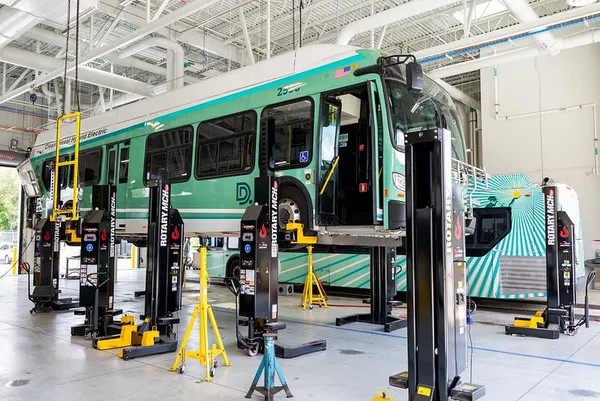
Transit officials also completed operational modernizations at the newly expanded Coolidge Terminal on the city’s west side, integrating advanced diagnostic bays and zero-emission vehicle charging ports to support incoming electric and hybrid buses.
Solar Shelters and Neighborhood Revitalizations Enhance Commuter Dignity
Complementing route frequency improvements, DDOT crews continued installing solar-illuminated passenger shelters equipped with mobile phone charging ports, crossing the milestone of 130 modern shelters erected citywide. Meanwhile, the Detroit Land Bank Authority coordinated with local non-profits to clear blighted parcels surrounding transit stops for neighborhood parklets.
Community organizers and city leaders commended the twin focus on housing acceleration and transit reliability, emphasizing that reliable buses and attainable neighborhood housing form the bedrock of Detroit's sustained urban recovery.
📰 Related Stories
- Detroit People Mover Study Eyes Corktown and Riverfront Extensions as DDOT Installs 210 Solar-Powered Shelters Detroit • Oct 06, 2026
- Detroit Advances $2.24B Renaissance Center Redevelopment Talks as City Scales Affordable Housing PILOT Detroit • Oct 05, 2026
- DDOT Deploys Solar Shelters and Student Transit as Detroit Opens North Corktown Housing RFP Detroit • Oct 05, 2026
- Mayor Paul Young Orders 90-Day Study on Data Center Safeguards as MATA Rolls Out Clean Transit Buses Memphis • Oct 13, 2026