Mayor Bowser Advances New Ward-Based Housing Production Goals as D.C. Council Evaluates RENTAL Act and WMATA Transit Hubs
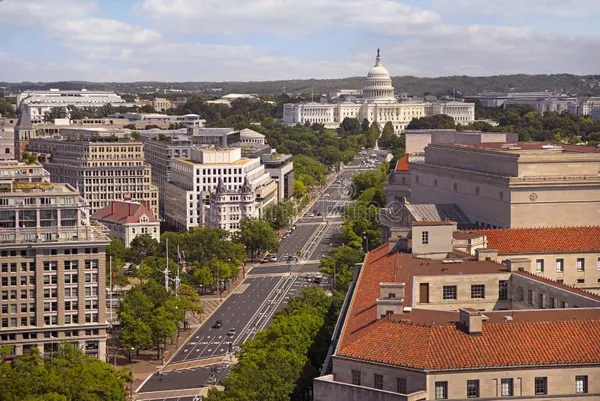
District Sets Updated Ward Housing Metrics Following Historic Construction Milestones
WASHINGTON, District of Columbia — Building upon the District of Columbia’s landmark achievement of delivering tens of thousands of new residential units ahead of original planning schedules, Mayor Muriel Bowser and the Office of the Deputy Mayor for Planning and Economic Development (DMPED) unveiled revised ward-specific housing production metrics in October 2026. The policy framework establishes equitable residential distribution goals across all eight wards, directing substantial municipal capital toward high-opportunity corridors in Ward 3 while expanding mixed-income investments across Ward 7 and Ward 8.
District housing officials highlighted that pairing the municipal Housing Production Trust Fund (HPTF) with federal low-income housing tax credits enables the construction of multi-bedroom residences tailored for working families, municipal employees, and seniors seeking long-term residential stability in the nation's capital.
D.C. Council Debates RENTAL Act and Multifamily Investment Safeguards
Inside the John A. Wilson Building, the Council of the District of Columbia and its Committee on Housing convened public oversight hearings on the proposed RENTAL Act alongside comprehensive tenant-protection frameworks. Legislative discussions centered on recalibrating property administration standards, expediting court dispute timelines for lease violations, and updating statutory compliance guidelines under the Tenant Opportunity to Purchase Act (TOPA).
Testifying stakeholders and community advocates emphasized that creating regulatory clarity protects private investment needed for building modernizations while steadfastly shielding vulnerable low-income residents from unlawful displacement or excessive rent surges.
WMATA Advances Joint Development Residential Hubs at Regional Metro Stations
In transportation-adjacent developments, the Washington Metropolitan Area Transit Authority (WMATA) executed key land-lease agreements under its 10-Year Joint Development Strategic Plan. High-density mixed-use residential complexes broke ground adjacent to the Deanwood, Takoma, and Congress Heights Metro stations, converting underutilized surface parking areas into lively pedestrian corridors with grocery stores, healthcare clinics, and direct rail access.
District leaders applauded the coordinated regional strategy, highlighting that merging heavy rail transit with attainable housing strengthens neighborhood resilience and advances climate sustainability goals.
📰 Related Stories
- Mayor Bowser Advances Housing Investment Protection Act as WMATA Expedites Major Joint Developments Across D.C. Washington • Oct 14, 2026
- Mayor Bowser Unveils Multi-Ward Housing Package Delivering 1,200 Units as D.C. Weighs Housing Investment Protection Act Washington • Oct 13, 2026
- Mayor Bowser Inaugurates $73M DC Infrastructure Academy at Spingarn as District Advances RFK Transit Master Plan Washington • Oct 06, 2026
- D.C. Council Weighs Emergency WMATA Funding Agreement as RFK Stadium Housing Debates Intensify Washington • Oct 05, 2026