D.C. Council Weighs Emergency WMATA Funding Agreement as RFK Stadium Housing Debates Intensify
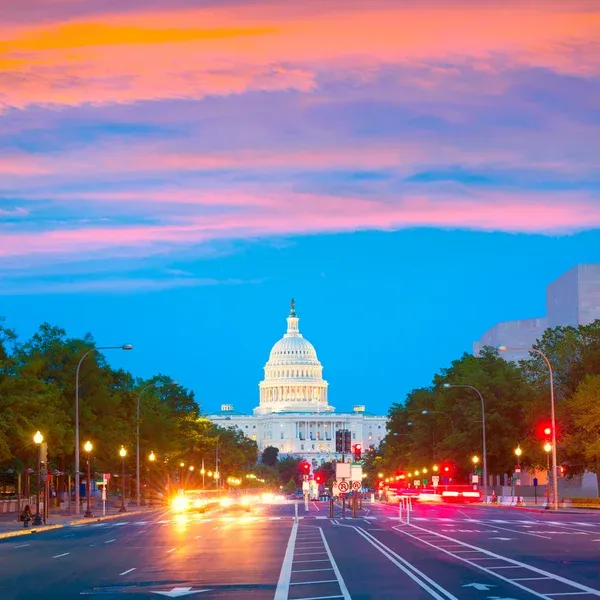
D.C. Council Considers Emergency WMATA Dedicated Funding Agreement for FY2027-2032
WASHINGTON, District of Columbia — Taking decisive legislative action to protect the financial foundation of regional mass transit, the Council of the District of Columbia convened emergency sessions in early October 2026 to introduce and review the WMATA Fiscal Year 2027 to 2032 Dedicated Funding Grant Agreement. With existing multi-jurisdictional funding compacts nearing expiration, District lawmakers underscored the urgent necessity of securing capital commitments alongside Maryland and Virginia to prevent severe service disruptions across the Metrorail and Metrobus systems.
Regional transit officials emphasized that dedicated state and local grants remain essential to sustain baseline system operations, maintain safe train headways, and support the ongoing $913 million Red Line modernization program, which is currently installing advanced infrastructure for automated train operations and enhanced platform safety barriers.
Community Perspectives Shape 6,500-Unit Residential Plan at RFK Stadium Campus
In transformative urban land use, District lawmakers and community stakeholders engaged in detailed hearings regarding Mayor Muriel Bowser’s $3.8 billion redevelopment blueprint for the 180-acre RFK Stadium campus along the Anacostia River. While the conceptual master plan incorporates up to 6,500 new residential units, neighborhood leaders from Ward 7 and Kingman Park expressed vocal concerns regarding high-capacity parking structures, potential resident displacement, and local traffic impacts.
Civic associations insisted that any final development covenant must mandate substantial deed-restricted low-income and workforce housing, robust greenway buffers, and expanded transit shuttles to directly benefit East End communities.
Mayor Bowser Pushes Housing Investment Acts to Catalyze Multi-Family Starts
Concurrently, the Bowser administration lobbied for legislative passage of the Housing Investment Protection Act of 2026 and the Illegal Occupancy Enforcement Amendment Act, designed to reform housing court backlogs, modernize tenant-landlord regulations, and spur private capital flow into multi-family housing projects across all eight wards.
District leaders noted that uniting reliable regional mass transit funding with aggressive housing preservation and land redevelopment ensures Washington remains economically competitive and equitable for working families.
📰 Related Stories
- Mayor Bowser Transmits 180-Acre RFK Master Plan to D.C. Council as WMATA Plans Stadium-Armory Overhaul Washington • Oct 05, 2026
- Mayor Bowser Pushes Housing Investment Acts as D.C. Debates 6,500 Homes at RFK Stadium Campus Washington • Oct 05, 2026
- Mayor Bowser Advances Housing Investment Protection Act as D.C. Council Debates 6,500 Homes at RFK Campus Washington • Oct 05, 2026
- D.C. Council Evaluates Final RFK Campus Master Plan as Housing Committee Advances Landlord Accountability Reforms Washington • Oct 03, 2026