Historic Elwha River Dam Project Reaches Final Milestone with Tribal Land Transfers as Lumen Field Recognizes Decarbonization Leaders
Landmark Ecological Restoration Project Transfers Restored Parcels to Lower Elwha Klallam Tribe
SEATTLE, Washington — A defining chapter in Pacific Northwest environmental conservation reached its legal and historic fruition as Washington State officials completed formal land transfers returning restored river valley acreage to the Lower Elwha Klallam Tribe. The transaction concludes the generational Elwha River restoration initiative, recognized globally as the largest successful dam removal project in modern history.
Following the dismantling of the Elwha and Glines Canyon dams, once-submerged river bottomlands have regenerated into thriving old-growth riparian habitats where native Chinook salmon, steelhead, and trout runs have rebounded with historic vitality. Tribal elders and conservation biologists celebrated the conveyance ceremony on the Olympic Peninsula, heralding the return of sovereign stewardship over ancestral riverbanks that were inundated for more than a century.
Lumen Field and McKinstry Honor Pacific Northwest Decarbonization Champions
In central Seattle, corporate and collegiate sustainability initiatives took center stage at Lumen Field in SoDo. During half-time ceremonies at a packed football showdown, facility operators and engineering partner McKinstry presented the annual 'Zero+ Champions of Sustainability' awards to regional trailblazers, including Seattle Colleges and Western Washington University, recognizing aggressive campus heat-pump conversions and deep building decarbonization programs.
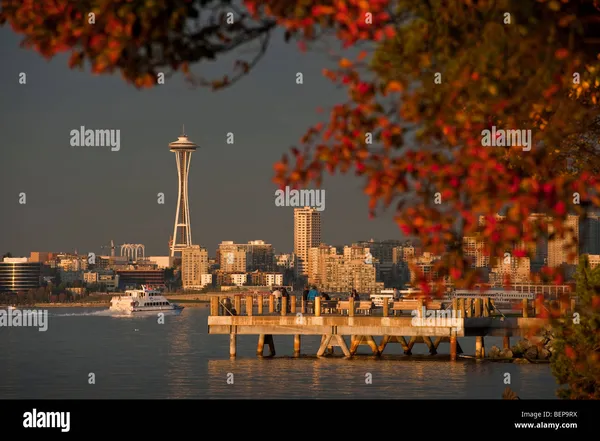
Meanwhile, the Seattle Police Department reported ongoing investigations into weekend gunfire incidents in South Seattle along 4th Avenue South, reassuring business owners that tactical patrol units have increased presence in commercial corridors. As crisp autumnal conditions settle across Puget Sound, civic leaders highlighted the convergence of ecological renewal and forward-looking urban stewardship across the greater Seattle region.
📰 Related Stories
- Historic Elwha River Lands Returned to Lower Elwha Klallam Tribe as Seattle Civic Groups Launch Midterm Coalition Seattle • Oct 13, 2026
- Sound Transit Opens $3.1 Billion Lynnwood Link Light Rail Extension Connecting King and Snohomish Counties Seattle • Oct 13, 2026
- Seattle City Council Opens Public Hearings on $9.1 Billion Biennial Budget to Close $175 Million Deficit Seattle • Oct 13, 2026
- Sound Transit Completes Landmark $3.1 Billion Lynnwood Link Extension Connecting King and Snohomish Counties Seattle • Oct 06, 2026