Wheatsville Food Co-op to Close Historic Guadalupe Street Flagship After 45 Years as Austin Reviews Crisis Response Programs
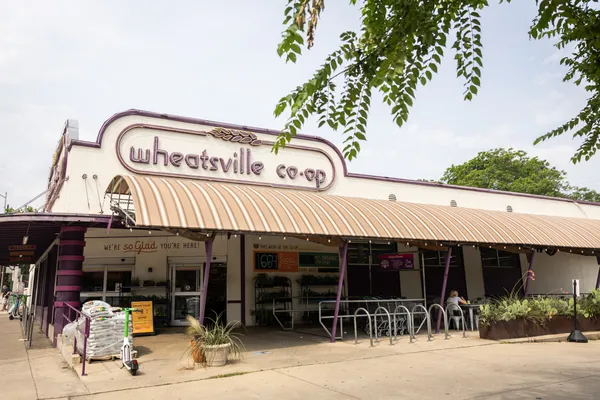
Historic Central Austin Grocery Hub Concludes 45-Year Tenure on Guadalupe
AUSTIN, Texas — A foundational pillar of central Austin's cooperative grocery movement is preparing to turn off its lights after nearly five decades in operation. Leadership at Wheatsville Food Co-op officially confirmed that its flagship market at 3101 Guadalupe Street will permanently cease operations on October 25, 2026. The announcement marks the culmination of a 45-year run at the West Campus-adjacent corridor, where the co-op first welcomed neighborhood shoppers in 1981.
General management explained that prolonged financial headwinds, including escalating lease expenditures, inflationary supply-chain overhead, and shifts in collegiate buying habits, made preserving the historic address unsustainable. Compounding these budget pressures are upcoming multi-year municipal transportation and corridor rebuilding projects planned along the Guadalupe artery, which projected substantial access disruptions for customer parking and curbside foot traffic.
South Lamar Store Remains Anchor as Municipal Crisis Strategies Advance
While the Guadalupe market prepares for its final clearance week, Wheatsville executives affirmed that their southern storefront on South Lamar Boulevard will remain fully operational. Co-op leaders underscored that all staff members in good standing from the original Guadalupe facility have been offered reassignment opportunities, preserving valuable institutional knowledge and maintaining established local agricultural procurement pipelines with Hill Country farms.
Simultaneously, the Austin City Council convened work sessions to assess public health interventions, receiving progress updates on the municipal 'No Wrong Door' initiative. Designed as an integrated crisis triage framework, the program coordinates mental healthcare clinicians, paramedics, and housing case workers to divert high-frequency emergency room utilizers toward community stabilization resources, providing measurable relief to regional trauma centers while ensuring humane care for vulnerable central Texans.
📰 Related Stories
- Austin Celebrates Landmark Michelin Stars for Fabrik and Kappo Kappo as Historic Wheatsville Co-op Prepares to Close Austin • Oct 13, 2026
- Austin-Bergstrom International Airport Breaks Ground on Concourse M Expansion as Regional Leaders Champion Project Connect Transit Austin • Oct 13, 2026
- CapMetro Launches Rapid 800 and 837 Lines as Austin Mandates Affordable Housing Near Light Rail Stations Austin • Oct 06, 2026
- DOJ Files Lawsuit Challenging Denver Law Enforcement Mask Ban as CDOT Advances Critical I-70 Floyd Hill Project Denver • Oct 13, 2026