Birmingham Advances Landmark £1.7 Billion West Midlands Transport Acceleration and Metro Extension Milestones
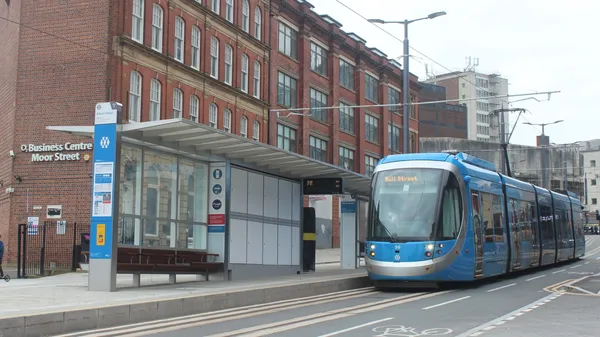
Mobilizing the £1.7 Billion Transport Spine of the West Midlands Futures Fund
BIRMINGHAM, West Midlands — Marking a transformative chapter for urban mobility and economic regeneration across central England, West Midlands Mayor Richard Parker and the West Midlands Combined Authority (WMCA), in close strategic partnership with Birmingham City Council, have unleashed decisive investment phases under the landmark West Midlands Futures Fund. Committing approximately £1.7 billion specifically toward high-impact regional transport infrastructure, the capital pipeline is designed to expand rapid rail links, deploy electrified bus fleets, and construct modern light rail corridors connecting major employment centers with historically underserved communities.
The funding allocation serves as a powerful catalyst for key economic zones, including the planned Birmingham Sports Quarter and regeneration corridors in East Birmingham. By integrating light rail, suburban trains, and bus routes under a synchronized ticketing and scheduling framework, the initiative accelerates the West Midlands' statutory mandate to achieve regional carbon neutrality while driving inclusive commercial growth across the UK’s second city.
Overnight Track Testing Reaches Millennium Point for East Birmingham Tram Extension
A defining milestone in Birmingham's public transit expansion was reached with the successful completion of overnight dynamic track testing for the West Midlands Metro extension toward Millennium Point. Rail engineering crews from the Midland Metro Alliance (MMA) operated specialized test trams along newly laid tracks in central Birmingham, rigorously validating overhead catenary electrical lines, switch geometry, and automated signaling integration.
This critical testing phase marks substantial progress on the wider East Birmingham to Solihull Metro extension, which will extend light rail connectivity from the existing city centre trunk alignment through the Digbeth creative district, past Millennium Point, and toward the regional growth clusters in East Birmingham. The light rail corridor will provide thousands of daily commuters with rapid, zero-emission mass transit, significantly cutting journey times and reducing vehicular congestion across major arterial ring roads.
Highways Management Overhaul and £480 Million Professional Services Framework
Birmingham City Council has concurrently executed a comprehensive restructuring of its highway maintenance operations following the formal termination of the long-standing Highways Private Finance Initiative (PFI). Enacting an extended multi-year interim services agreement with infrastructure specialist Kier, municipal leaders have ensured uninterrupted delivery of essential road resurfacing, structural bridge repairs, street drainage maintenance, and winter gritting services across the city's 2,500-kilometre road network.
In tandem with the interim Kier agreement, the council has advanced a mammoth £480 million multi-supplier transport and infrastructure professional services framework running into the 2030s. The framework enlists leading national and international engineering consultancies to deliver specialized design, geotechnical evaluation, structural asset monitoring, and capital project delivery for major highways and civil structures across Birmingham.
HS2 Curzon Street Viaduct Engineering and Decarbonized Active Travel Networks
On the eastern threshold of Birmingham city centre, heavy civil engineering on the monumental HS2 Curzon Street station approaches is advancing at an unprecedented tempo. Engineering consortia have executed successful structural launches of the massive Curzon No. 2 viaduct and commenced major civil works on the replacement of the historic Saltley Viaduct and Aston Church Road overbridges, seamlessly integrating the high-speed rail corridor into the metropolitan urban fabric.
Simultaneously, Birmingham is expanding its active travel footprint under the Birmingham Transport Plan, delivering protected cycleways along Dudley Road, Snow Hill, and around Cannon Hill Park alongside localized 20 mph speed zones to enhance pedestrian safety. Coupled with Birmingham Airport's (BHX) draft £2 billion long-term master plan to expand regional surface transport connectivity, Birmingham is cementing its status as Britain's most dynamic hub of 21st-century multimodal infrastructure.
📰 Related Stories
- Birmingham Accelerates Landmark Curzon Street HS2 Station as Concrete Piling Concludes and Platform Decks Rise Birmingham • Oct 13, 2026
- Birmingham Curzon Street Station Reaches Major Engineering Milestone with Platform Deck Beams and Eastside Metro Integration Birmingham • Oct 05, 2026
- Birmingham Accelerates HS2 Curzon Street Station as Massive Platform Deck Assembly Advances Above Future West Midlands Metro Tram Stop Birmingham • Oct 04, 2026
- Greater Manchester Accelerates Landmark £150 Million Metrolink Renewal and Multi-Modal Bee Network Integration Manchester • Oct 13, 2026