Rhinoplasty for Different Nose Shapes: Setting Realistic Goals
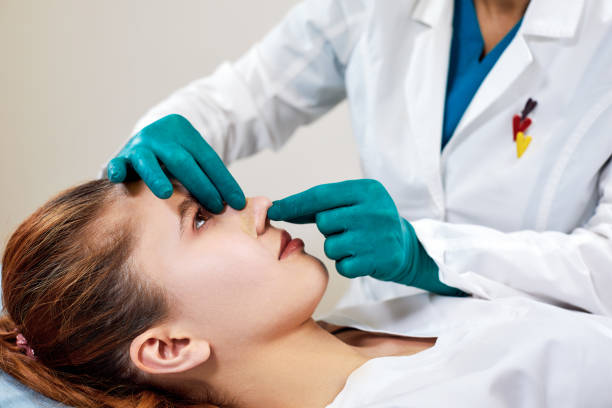
Rhinoplasty is a cosmetic and functional procedure designed to reshape the nose while maintaining facial harmony and, when possible, improving breathing. Every nose has a unique structure, and the most suitable approach depends on individual anatomy, skin thickness, facial proportions, and personal preferences. Understanding how rhinoplasty works for different nose shapes helps patients develop realistic expectations and make informed decisions about their treatment.
For individuals considering Rhinoplasty in Riyadh, understanding the relationship between nasal structure and achievable results is an important first step. Many people also research rhinoplasty riyadh price while exploring their options, but choosing an appropriate treatment plan should begin with a professional assessment, clear goals, and an understanding of the potential benefits and limitations of surgery.
Understanding Different Nose Shapes
Nose shapes vary considerably, and each presents different considerations during rhinoplasty. A successful outcome focuses on improving balance rather than making every nose look identical. The goal is to create a result that complements the patient's existing facial features.
Broad or Wide Noses
A broad nose may have a wide nasal bridge, a wider base, or nostrils that appear prominent in relation to other facial features. Depending on the patient's anatomy, rhinoplasty may involve carefully refining the nasal bridge or adjusting the width of the nostrils. However, the extent of refinement depends on the underlying bone, cartilage, skin, and overall nasal structure.
Humped or Prominent Noses
Some noses have a noticeable bump along the bridge, which may be caused by the shape of the nasal bones and cartilage. Rhinoplasty can sometimes reduce this prominence and create a smoother profile. During planning, the surgeon must consider the nose from the front and side to maintain a balanced appearance rather than focusing exclusively on removing the bump.
Bulbous or Rounded Nose Tips
A bulbous nose tip may appear rounded, broad, or less defined. Its appearance can be influenced by cartilage shape, skin thickness, and the amount of soft tissue covering the nasal tip. Refinement may improve definition, but thicker skin can limit how sharply the underlying structure becomes visible. Patients should understand that subtle, natural-looking improvements may be more realistic than dramatic changes.
Crooked or Asymmetrical Noses
A crooked nose may result from natural asymmetry, previous injury, or a deviated nasal septum. Rhinoplasty may help improve alignment and facial balance, while certain procedures can also address structural problems affecting breathing. Complete symmetry is rarely achievable because the face itself is naturally asymmetrical, making realistic expectations especially important.
Setting Realistic Rhinoplasty Goals
Realistic goals begin with understanding what surgery can achieve for a particular nasal structure. Photographs of preferred nose shapes can help communicate aesthetic preferences, but they should serve as inspiration rather than promises of an identical result.
Considering Facial Proportions
The nose should complement the forehead, cheeks, chin, lips, and overall facial profile. A nose that looks attractive on one person may not suit another person's facial structure. Individualized planning helps establish proportions that look natural and maintain the character of the face.
Understanding Skin Thickness and Healing
Skin thickness influences how clearly changes to the underlying cartilage and bone become visible. Thicker skin may conceal some fine details, while thinner skin can make minor irregularities more noticeable. Swelling also affects the appearance of the nose during recovery, and final refinement may take many months to become apparent.
Discussing Functional and Aesthetic Needs
Rhinoplasty is not exclusively about appearance. Some patients also experience breathing difficulties associated with internal nasal structures. A thorough evaluation should consider both aesthetic preferences and nasal function so that cosmetic changes do not compromise breathing.
What to Expect Before and After Rhinoplasty
Preparation involves discussing medical history, breathing concerns, previous nasal injuries or surgeries, and desired changes with a qualified surgeon. Patients should ask about potential complications, recovery requirements, limitations, and whether their expectations are achievable.
After surgery, swelling, bruising, and temporary congestion may occur. Recovery varies according to the procedure and individual healing. Following aftercare instructions, protecting the nose from injury, attending follow-up appointments, and avoiding strenuous activities until medically cleared can support recovery.
It is also important to remember that rhinoplasty carries risks, including bleeding, infection, persistent swelling, changes in sensation, breathing difficulties, and dissatisfaction with the result. Revision surgery may occasionally be necessary, but it cannot guarantee a perfect outcome.
Choosing Rhinoplasty in Riyadh
When exploring rhinoplasty options, patients should prioritize qualified surgical care, transparent communication, appropriate medical facilities, and individualized treatment planning. A consultation should provide an opportunity to discuss realistic outcomes, understand the proposed technique, and review the risks associated with surgery.
Choosing a provider based solely on photographs or promotional claims can create unrealistic expectations. Instead, patients should seek clear explanations of what is achievable for their specific nose shape and how the treatment plan considers both appearance and function.
Frequently Asked Questions
Can rhinoplasty improve every nose shape?
Rhinoplasty can address many nasal concerns, including a prominent bridge, a wide nasal base, a rounded tip, or asymmetry. However, the achievable changes depend on individual anatomy, skin thickness, nasal function, and healing.
Will rhinoplasty make my nose perfectly symmetrical?
Perfect symmetry is generally unrealistic because natural facial asymmetry is common. Rhinoplasty may improve balance and alignment, but minor differences can remain after surgery.
How long does it take to see the final rhinoplasty results?
Initial swelling generally improves over the first several weeks, but residual swelling, particularly around the nasal tip, can persist for months. Final results may take a year or longer to become fully apparent, depending on the procedure and individual healing.
Can rhinoplasty improve breathing as well as appearance?
In some cases, rhinoplasty can be combined with functional surgery to address structural problems affecting airflow. A medical assessment is necessary to determine whether these procedures are appropriate.
How should I prepare for a rhinoplasty consultation?
Prepare by identifying your main concerns, discussing your medical history, listing any breathing problems, and bringing reference photographs if helpful. Ask about realistic results, potential risks, recovery, and follow-up care.
Schedule Your Rhinoplasty Consultation
Understanding your nose shape and setting achievable goals can help you approach rhinoplasty with greater confidence. Enfield Royal Clinic provides a starting point for exploring aesthetic treatment options and discussing your concerns. Arrange a consultation to learn more about suitable approaches, expected outcomes, and the considerations involved in making an informed decision about rhinoplasty.
📰 Related Stories
- Open vs. Closed Rhinoplasty in Riyadh: What to Know Riyadh • Oct 07, 2026
- Exploring Rhinoplasty at Enfield Royal Clinic Riyadh • Sep 30, 2026
- Mommy Makeover Planning: Important Factors to Consider Riyadh • Oct 13, 2026
- Price of Botox Injections for Migraines: What You Need to Know Riyadh • Oct 13, 2026