Effective Treatment Approaches for Plantar Warts
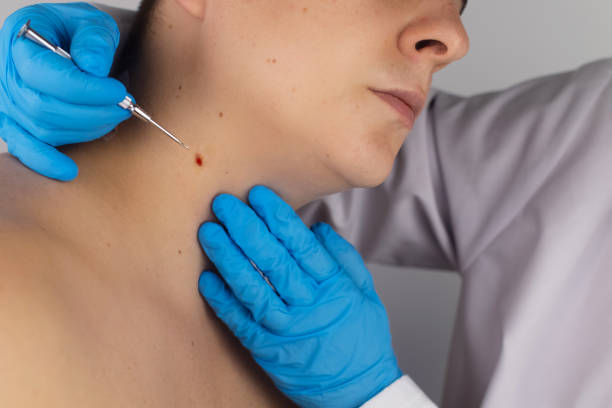
Plantar warts are common skin growths that develop on the soles of the feet and may cause discomfort while walking, standing, or exercising. They are associated with certain types of human papillomavirus (HPV), which can enter the skin through small cuts or breaks. Although some plantar warts disappear naturally, others persist, spread, or become painful because of pressure from body weight. Understanding Wart removal in Riyadh (سعر إزالة الثالول بالليزر) can help individuals explore appropriate treatment options, learn how to protect their feet, and understand when professional care may be necessary.
What Are Plantar Warts?
Plantar warts usually appear on the heel, ball of the foot, or other weight-bearing areas. They may look like small, rough growths with a thickened surface. Some contain tiny dark spots, which can represent small blood vessels rather than dirt. Unlike calluses, plantar warts may interrupt the natural lines of the skin and can be tender when pressure is applied.
Common Symptoms of Plantar Warts
The symptoms vary depending on the size, number, and location of the warts. Common signs include:
-
Rough or thickened skin on the sole of the foot.
-
Discomfort when walking or standing.
-
Small dark dots within the growth.
-
One wart or several clustered growths.
-
Skin irritation caused by pressure or friction.
Not every thickened area on the foot is a plantar wart. Corns, calluses, and other skin conditions can appear similar, so professional assessment may be helpful when the diagnosis is uncertain.
When Should Plantar Warts Be Treated?
Some plantar warts resolve without treatment, but professional advice may be useful when symptoms interfere with daily activities or the growth does not improve.
Persistent or Painful Warts
If a wart causes ongoing discomfort, changes how you walk, or remains despite appropriate home treatment, consult a healthcare professional. Repeatedly applying products without improvement may irritate healthy skin and delay the correct diagnosis.
Warts That Spread or Return
Plantar warts may spread to nearby areas through direct contact or by transferring infected skin cells. Picking, scratching, or cutting the growth can increase irritation and potentially contribute to spread. Warts that return after treatment may require a different approach or additional sessions.
People With Higher-Risk Health Conditions
Individuals with diabetes, poor circulation, reduced immunity, or reduced sensation in their feet should seek professional guidance before trying home treatments. These conditions can increase the risk of skin injury and delayed healing, especially when acids or other products damage the surrounding tissue.
Effective Treatment Approaches for Plantar Warts
Treatment depends on the wart's size, location, thickness, and response to previous methods. A clinician can explain the expected benefits, possible side effects, and whether more than one treatment session may be needed.
Salicylic Acid Treatments
Salicylic acid gradually breaks down layers of thickened skin and may help remove selected plantar warts. It is often used over time and requires consistent application according to product instructions. Protecting the surrounding healthy skin is important because the acid can cause irritation or damage.
People with diabetes, poor circulation, reduced sensation, or other foot-health concerns should not use salicylic acid on plantar warts without medical advice. It should also not be applied to uncertain skin growths without an appropriate diagnosis.
Cryotherapy
Cryotherapy uses liquid nitrogen to freeze wart tissue. A healthcare professional applies the treatment to the affected area, and the treated skin may develop a blister or crust before healing. Several sessions may be necessary, particularly for thicker plantar warts.
Temporary pain, tenderness, blistering, and changes in skin pigmentation are possible. Because the soles of the feet experience pressure during walking, your provider may recommend specific measures to protect the area during recovery.
Laser Treatment
Laser therapy may be considered for selected persistent plantar warts that have not responded adequately to other treatments. Depending on the technique, the laser may destroy wart tissue or target its blood supply. Suitability varies, and treatment can involve discomfort, wound care, scarring, or pigment changes.
For those exploring Wart removal in Riyadh, a consultation can help determine whether laser treatment is appropriate or whether another option offers a better balance of benefits and risks.
Electrosurgery and Curettage
In selected cases, a clinician may use electrical energy to destroy wart tissue or a specialised instrument to remove it. Local anaesthesia may be required. These procedures can be considered for particular persistent warts, but they may cause wounds, scarring, and discomfort during recovery. Scarring on a weight-bearing part of the foot can sometimes remain uncomfortable, so careful treatment selection is essential.
How to Care for Your Feet During Recovery
Proper aftercare supports healing and helps reduce irritation after plantar wart treatment. The required routine depends on the procedure and the condition of the treated skin.
Keep the Treated Area Clean
Follow your healthcare professional's instructions for cleaning the area, applying recommended products, and using dressings. Avoid picking blisters or scabs, and do not apply additional wart-removal products to freshly treated skin unless advised.
Reduce Pressure and Friction
Wear comfortable footwear and follow any instructions about limiting walking, exercise, or activities that put pressure on the treated area. If a dressing is recommended, keep it clean and change it as directed. Ask your provider when it is safe to resume your usual activities.
Recognise Signs of Complications
Contact your healthcare professional if pain becomes worse, redness spreads, pus develops, fever occurs, or the wound does not heal as expected. People with diabetes or circulation problems should seek prompt advice about any foot wound or unexpected skin change.
Preventing Plantar Warts From Spreading
HPV can spread through contact with infected skin, particularly where small breaks in the skin are present. To reduce the risk of spreading plantar warts:
-
Wear footwear in communal showers and changing areas.
-
Keep your feet clean and dry when possible.
-
Avoid picking or scratching warts.
-
Do not share foot files, pumice stones, or tools used on affected skin.
-
Wash your hands after touching a wart or applying treatment.
Even after successful treatment, plantar warts may return because the virus can remain in nearby skin. Follow-up care may be useful if the growth persists or reappears.
Book an Appointment at Royal Clinic Saudia
If plantar warts are causing discomfort, spreading, or failing to respond to home treatment, Royal Clinic Saudia ( عيادات رويال كلينك ) can help you explore suitable assessment and treatment options. Contact the clinic to discuss your concerns and receive professional guidance on treatment selection, foot care, and recovery. Choosing an appropriate approach to Wart removal in Riyadh can help you manage plantar warts while protecting the health of your feet.
📰 Related Stories
- Mommy Makeover Planning: Important Factors to Consider Riyadh • Oct 13, 2026
- Best Liposuction for Men: Techniques, Benefits, and Recovery Riyadh • Oct 13, 2026
- Is Sebaceous Cyst Removal Painful? A Complete Guide Riyadh • Oct 13, 2026
- Peptide Treatments Cost: Exploring Different Treatment Options Riyadh • Oct 10, 2026