How Age and Skin Quality Affect Facelift Surgery Results
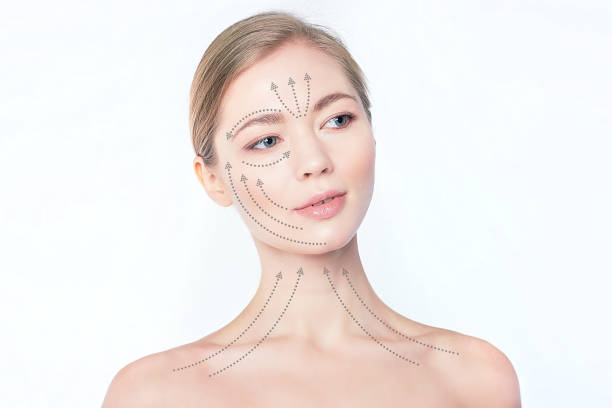
Facial aging affects everyone differently, influencing skin elasticity, facial contours, and the appearance of wrinkles over time. While some people develop sagging cheeks and jowls earlier, others maintain firmer skin for longer due to genetics and lifestyle factors. Facelift Surgery in Riyadh (جراحة شد الوجه في الرياض) is an option for individuals who want to improve selected signs of facial aging, but the results depend on more than chronological age. Understanding how skin quality, facial structure, overall health, and healing influence surgical outcomes can help patients develop realistic expectations before considering treatment.
How Age Influences Facelift Surgery Results
Age can influence facial aging, but it is not the only factor that determines whether someone is suitable for a facelift. The condition of the skin, degree of sagging, medical history, and individual goals are also important.
Facial Changes Over Time
As people age, collagen and elastin gradually change, and the supporting tissues beneath the skin may loosen. Facial fat distribution can also shift, contributing to sagging cheeks, deeper folds, and reduced jawline definition.
These changes vary from person to person. Some individuals develop noticeable jowls relatively early, while others experience more gradual changes. A surgeon evaluates the specific signs of aging rather than relying on age alone when considering treatment.
Is There an Ideal Age for a Facelift?
There is no single age that is ideal for everyone. Some adults consider surgery when facial sagging becomes noticeable, while others may not need or want treatment until later.
The more important questions are whether the patient's concerns are likely to respond to surgery, whether they are medically suitable, and whether their expectations are realistic. A qualified surgeon can help determine whether a facelift or another approach is appropriate.
The Role of Skin Quality in Surgical Outcomes
Skin quality can influence how the face looks before surgery, how incisions heal, and how the results appear over time.
Skin Elasticity and Firmness
Skin elasticity describes the skin's ability to stretch and return toward its previous shape. Skin that retains good elasticity may adapt differently after surgical repositioning than skin that has become significantly lax.
A facelift can improve sagging tissues and remove selected excess skin, but it cannot restore every aspect of youthful skin structure. The surgeon considers elasticity alongside underlying tissue support when planning the procedure.
Skin Thickness and Texture
Skin thickness and texture vary naturally. Some people have thinner or more delicate skin, while others have thicker skin or more visible surface irregularities.
These characteristics can influence how contours and scars appear after surgery. A facelift primarily addresses sagging and excess skin rather than pigmentation, sun damage, or every fine line. Separate treatments may be discussed for these concerns when appropriate.
Sun Damage and Premature Aging
Repeated exposure to ultraviolet radiation can contribute to wrinkles, uneven pigmentation, and reduced skin quality. These changes may affect the overall appearance of the face even when sagging tissues have been surgically corrected.
Daily sun protection and appropriate skincare can support skin health. However, existing sun damage may not improve significantly with a facelift alone.
How Facial Anatomy Affects Results
Age and skin quality are only part of the picture. The position of facial tissues, fat distribution, and the structure of the cheeks and jawline also influence the outcome.
Underlying Tissue Support
A facelift may involve repositioning deeper supporting tissues, including the superficial musculoaponeurotic system (SMAS), depending on the technique. Addressing these structures can help improve sagging around the cheeks and lower face.
The surgeon selects an approach based on facial anatomy, the location of tissue descent, and the desired improvement. No single technique is best for every patient.
Facial Volume and Proportions
Age-related volume changes can affect the cheeks, temples, and areas around the mouth. A facelift can improve some contours associated with tissue descent, but it does not automatically correct every concern involving volume loss.
A surgeon may discuss whether another treatment is appropriate, while explaining the benefits and risks of any additional procedure. Maintaining natural facial proportions should remain an important part of treatment planning.
Lifestyle Factors That Affect Healing
Lifestyle habits can influence skin health and recovery. Patients considering Facelift Surgery in Riyadh should discuss these factors during their consultation.
Smoking and Nicotine Use
Smoking and nicotine exposure can impair circulation and wound healing, increasing the risk of complications. Patients should disclose all nicotine use to their surgeon and follow specific recommendations about stopping before and after surgery.
Nutrition and General Health
A balanced diet, adequate hydration, and sufficient rest support general health during recovery. Medical conditions and certain medications may also affect healing, so the surgical team should review the patient's health history before recommending treatment.
Weight Stability and Sun Protection
Significant weight fluctuations can change facial volume and affect contours. Maintaining a relatively stable weight may help preserve the appearance of the face over time.
Sun protection can also help reduce further ultraviolet damage. These habits support general skin health but cannot stop the natural aging process.
What to Expect From Facelift Surgery Results
A facelift may improve sagging cheeks, jowls, and jawline definition, but results vary according to individual anatomy, skin quality, surgical technique, and healing.
Recovery and Healing
Swelling, bruising, tightness, and temporary changes in sensation are common after surgery. These effects gradually improve, although the recovery timeline differs between patients.
Following postoperative instructions, attending follow-up appointments, and avoiding strenuous activity until cleared by the surgeon can support healing. Sudden swelling, severe or worsening pain, significant bleeding, or other serious symptoms require prompt medical assessment.
Long-Term Appearance
A facelift can provide lasting improvement, but it does not stop future aging. Skin continues to change, and facial volume and tissue position may gradually evolve over time.
Patients can support skin health with sun protection, appropriate skincare, and healthy habits. Facelift Surgery in Riyadh should be considered with the understanding that the aim is to improve selected signs of aging, not to permanently preserve a particular appearance.
How to Prepare for a Facelift Consultation
A consultation allows the surgeon to assess skin quality, facial anatomy, medical suitability, and treatment goals. Patients should ask which technique is recommended, what results are realistic, where incisions will be placed, and what risks and recovery requirements apply.
It is also helpful to discuss medications, allergies, previous procedures, and lifestyle factors that could affect healing. A responsible surgeon should explain the limitations of surgery and whether non-surgical alternatives may be more suitable.
Book an Appointment at Royal Clinic Saudia
If you are considering facial rejuvenation, Royal Clinic Saudia ( عيادات رويال كلينك ) can be a starting point for discussing your concerns and learning about available treatment options.
Arrange a consultation to review your skin condition, facial anatomy, medical history, and aesthetic goals. Understanding how age and skin quality may influence your results can help you make an informed decision about the benefits, limitations, and recovery requirements of a facelift.
📰 Related Stories
- Mommy Makeover Planning: Important Factors to Consider Riyadh • Oct 13, 2026
- Best Liposuction for Men: Techniques, Benefits, and Recovery Riyadh • Oct 13, 2026
- Is Sebaceous Cyst Removal Painful? A Complete Guide Riyadh • Oct 13, 2026
- Peptide Treatments Cost: Exploring Different Treatment Options Riyadh • Oct 10, 2026