How Lymphatic Massage Works: Benefits, Techniques, and What to Expect
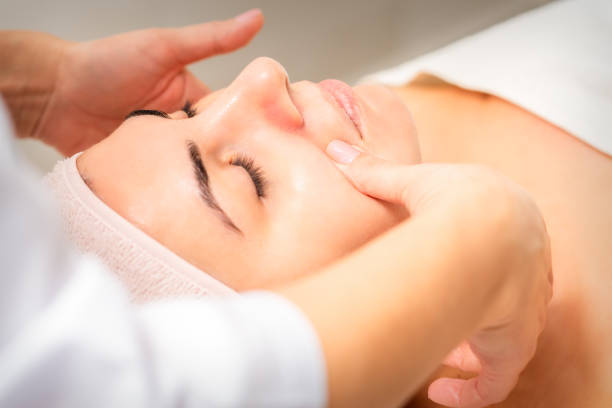
Lymphatic massage is a gentle therapeutic technique designed to support the body's natural lymphatic system. This system plays an important role in maintaining fluid balance, transporting lymph, and supporting immune function. By using slow, rhythmic movements and light pressure, lymphatic massage encourages the movement of lymph fluid through the body's lymphatic vessels. Understanding how this technique works can help individuals make informed decisions about their wellness and post-treatment care.
For individuals exploring professional wellness treatments, Lymphatic massage clinics in Riyadh(عيادات مساج لمفاوي الرياض) offer an opportunity to learn about lymphatic drainage techniques and their potential benefits. Whether you are interested in managing swelling, supporting recovery after certain procedures, or improving your understanding of body wellness, knowing what happens during a lymphatic massage can help you determine whether it suits your needs.
What Is Lymphatic Massage?
Lymphatic massage, also known as manual lymphatic drainage, is a specialized massage technique that uses gentle, controlled movements to encourage lymph fluid to move toward functioning lymph nodes. Unlike traditional massage, which often targets deeper muscles and tissues, lymphatic massage focuses on the superficial lymphatic vessels located beneath the skin.
The lymphatic system collects excess fluid from body tissues and returns it to the bloodstream. It also helps transport immune cells and filter substances through lymph nodes. When lymph fluid accumulates in tissues, swelling may develop. Lymphatic massage can help manage certain types of swelling when performed appropriately, particularly in people with lymphatic drainage problems.
How Does Lymphatic Massage Work?
Stimulating the Lymphatic Vessels
Lymphatic massage works by applying light, rhythmic pressure to the skin. These movements gently stretch the skin and encourage lymph to move through the superficial lymphatic vessels. The therapist typically follows specific pathways that direct fluid toward areas where it can drain effectively.
Unlike deep-tissue massage, the technique does not require forceful pressure. Excessive pressure may compress superficial lymphatic vessels rather than support their function. The treatment therefore relies on controlled movements, appropriate sequencing, and an understanding of lymphatic anatomy.
Encouraging Fluid Movement
One of the main purposes of lymphatic massage is to help move excess fluid away from swollen areas. A trained therapist may begin by preparing central drainage areas before working on the affected region. This approach helps establish pathways for fluid movement rather than simply massaging the swollen area directly.
The technique may be beneficial for certain individuals experiencing lymphedema or swelling associated with specific medical procedures. However, results depend on the underlying cause, the person's health, and whether lymphatic massage is part of a broader treatment plan.
Supporting the Body's Natural Processes
The lymphatic system works continuously to maintain fluid balance and support immune activity. Lymphatic massage does not replace these natural functions or remove toxins through a special cleansing process. Instead, it may assist lymph movement in appropriate circumstances.
When incorporated into a suitable care plan, the technique can help manage swelling and may improve feelings of heaviness or tightness associated with fluid accumulation.
What Are the Benefits of Lymphatic Massage?
May Help Reduce Certain Types of Swelling
Lymphatic massage may help reduce fluid accumulation in people with lymphedema or other appropriately assessed conditions. By encouraging lymph movement, it can support swelling management. The effectiveness of treatment varies, and some individuals also require compression garments, exercise, skin care, or other medical interventions.
May Support Recovery After Certain Procedures
Some people consider lymphatic massage following cosmetic or surgical procedures because swelling can occur during recovery. When medically appropriate, gentle lymphatic techniques may help manage fluid accumulation. However, treatment should only begin with clearance from the treating clinician, and massage must follow the recommended postoperative instructions.
May Improve Comfort and Relaxation
The gentle movements used during lymphatic massage can create a relaxing experience. Some individuals report reduced feelings of tightness or heaviness when swelling improves. However, lymphatic massage is not a guaranteed solution for every concern, and its effects differ from person to person.
What Happens During a Lymphatic Massage Session?
Initial Assessment
A session usually begins with a discussion of your health history, current symptoms, and treatment goals. The therapist may ask about previous procedures, swelling, medications, and existing medical conditions. This assessment helps determine whether lymphatic massage is appropriate or whether medical evaluation is needed first.
Gentle Massage Techniques
During treatment, the therapist uses light, repetitive movements in a carefully planned sequence. The technique may begin near the central lymphatic drainage areas before progressing toward the affected region. The duration and approach depend on the individual's needs and the area being treated.
Aftercare and Recovery
After a session, some individuals notice changes in swelling or comfort, while others experience little immediate difference. Drinking fluids normally, following professional aftercare instructions, and maintaining recommended physical activity can support general well-being. Repeated sessions may be recommended for certain conditions, depending on the treatment plan.
Who Should Consider Lymphatic Massage?
Lymphatic massage may be suitable for individuals with certain forms of swelling, medically diagnosed lymphedema, or specific recovery needs. However, it is not appropriate for everyone. People with suspected blood clots, acute infections, certain heart conditions, or other significant medical concerns should seek medical advice before treatment. Unexplained swelling, particularly when sudden, painful, or accompanied by redness or shortness of breath, requires prompt medical assessment.
Frequently Asked Questions
What is the main purpose of lymphatic massage?
The main purpose is to encourage lymph fluid movement and help manage certain types of swelling. It may also help relieve feelings of heaviness or tightness associated with fluid accumulation.
Does lymphatic massage hurt?
Lymphatic massage is generally gentle and should not involve deep or painful pressure. If you experience pain or discomfort, inform the therapist so the technique can be reassessed.
How long does a lymphatic massage session take?
The duration depends on the treatment area, individual needs, and the recommended approach. Your therapist can explain the expected session length after assessing your circumstances.
Can lymphatic massage help after cosmetic surgery?
It may help manage postoperative swelling in selected cases, but you should obtain clearance from your surgeon before starting treatment. Timing and technique are important for safe recovery.
How often should I get a lymphatic massage?
The recommended frequency depends on your condition, treatment goals, and response to therapy. Individuals managing lymphedema may require a structured plan, while others may need a different approach.
Book a Consultation at Enfield Royal Clinic
If you want to learn whether lymphatic massage is suitable for your wellness or recovery goals, Enfield Royal Clinic(عيادة إنفيلد الملكية) can be your starting point for exploring available treatment options. Arrange a consultation to discuss your concerns, understand the appropriate techniques, and receive guidance based on your individual needs. A professional assessment can help you make an informed decision about your care and take the next step with confidence.
📰 Related Stories
- How Sculptra and Radiesse Differ in Texture and Technique Riyadh • Oct 22, 2026
- Understanding Different Types of Stem Cell Therapy Riyadh • Oct 20, 2026
- A Patient’s Guide to the 8 Point Facelift with Juvederm Riyadh • Oct 20, 2026
- Is Buccal Fat Removal Reversible? Understanding the Long-Term Results Riyadh • Oct 19, 2026