Is Buccal Fat Removal Reversible? Understanding the Long-Term Results
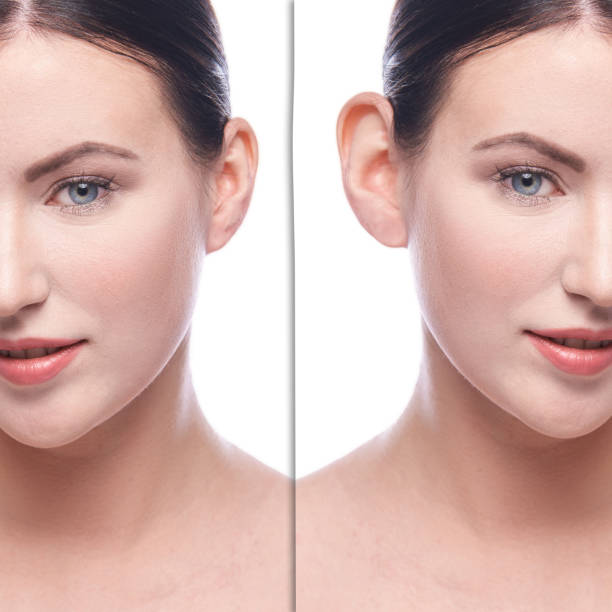
Buccal fat removal is a cosmetic procedure designed to reduce fullness in the lower cheeks and create a more defined facial appearance. Although many people appreciate the slimmer look it can provide, one important question often arises before surgery: is the procedure reversible? Understanding how buccal fat removal works, whether removed fat can return, and what options exist for correcting unwanted results can help you make a confident and informed decision.
For individuals researching facial contouring, buccal fat removal cost near me may also be part of the initial search process, alongside questions about safety, recovery, and long-term outcomes. However, understanding the permanence of the procedure is equally important. Before considering treatment, it is helpful to learn why buccal fat removal is generally considered permanent and which alternatives may be available if your facial appearance changes over time.
Is Buccal Fat Removal Reversible?
Buccal fat removal is generally not considered a reversible procedure because the surgeon removes a portion of the buccal fat pads located deep inside the cheeks. Once this fat is surgically removed, the body does not naturally regenerate the same fat pad in its original form.
Although the results are long-lasting, this does not mean your facial appearance will remain exactly the same forever. Natural aging, changes in body weight, skin elasticity, and other factors can influence facial fullness over time. These changes may affect the appearance of your cheeks, even after a successful procedure.
Can Buccal Fat Return After Surgery?
Natural Fat Regrowth
The buccal fat removed during surgery generally does not grow back in its original form. However, remaining fat cells may change in size with weight fluctuations, potentially affecting the fullness of the cheeks. These changes do not necessarily mean the removed buccal fat has regenerated.
Changes Caused by Aging
As people age, facial fat distribution changes naturally, and the skin may lose some of its elasticity. Because buccal fat removal reduces fullness in the lower cheeks, these age-related changes can sometimes make the face appear more hollow or less youthful over time.
For this reason, careful patient selection and a conservative approach are important when considering the procedure.
What If You Are Unhappy With Your Results?
Although buccal fat removal cannot usually be reversed directly, certain treatments may help address concerns about the final appearance. The most appropriate option depends on whether the cheeks appear too hollow, uneven, or different from what you expected.
Facial Fat Grafting
Fat grafting may be considered when someone experiences excessive cheek hollowing after buccal fat removal. This procedure involves transferring fat from another area of the body into selected facial areas to restore volume. Results can vary, and some transferred fat may not survive.
Dermal Fillers
Dermal fillers may help restore volume in specific areas of the face without requiring another surgical procedure. Depending on the product and treatment area, fillers can provide temporary improvement. A qualified practitioner should assess facial anatomy and determine whether fillers are appropriate.
Professional Assessment
If you are dissatisfied with your results, a consultation with a qualified plastic surgeon or appropriately trained medical professional can help identify the cause and discuss realistic options. Revision treatment cannot guarantee an exact return to your original facial appearance.
How Can You Reduce the Risk of Unwanted Results?
Choose the Right Candidate
Buccal fat removal is not suitable for everyone. People with naturally slim faces, limited cheek fat, or significant facial hollowing may be at greater risk of appearing gaunt after surgery. A thorough assessment can help determine whether the procedure suits your facial structure.
Discuss Your Expectations
Before treatment, discuss your desired outcome, facial proportions, medical history, and concerns about future aging. Understanding the permanent nature of fat removal helps you weigh the potential benefits against the risks.
Avoid Removing Too Much Fat
A conservative approach can help preserve natural facial contours. Removing excessive fat may lead to a hollow appearance that becomes more noticeable with age. The goal should be balanced facial definition rather than removing as much cheek fat as possible.
Frequently Asked Questions
Is buccal fat removal completely permanent?
Buccal fat removal is generally permanent because the removed fat pads do not naturally regenerate in their original form. However, aging and weight changes can still alter your facial appearance.
Can I restore my cheeks after buccal fat removal?
In some cases, facial fat grafting or dermal fillers may help restore lost volume. The results depend on your anatomy, the extent of volume loss, and the treatment selected.
Will gaining weight reverse buccal fat removal?
Weight gain may increase the size of remaining facial fat cells, but it does not reliably restore the removed buccal fat pads or reverse the procedure.
Can buccal fat removal make my face look older?
Excessive fat removal may contribute to a hollow appearance, which can become more noticeable as natural facial volume decreases with age. Careful assessment and conservative treatment planning can help reduce this risk.
How long should I wait before judging my results?
Swelling can temporarily affect facial contours after surgery. It may take several weeks or months for the final appearance to become clearer, depending on your healing process and your surgeon's guidance.
Book Your Consultation at Enfield Royal Clinic
If you are considering buccal fat removal or have concerns about its long-term effects, Enfield Royal Clinic can be your starting point for exploring facial contouring options. A personalized consultation can help you understand the procedure, assess your suitability, and discuss realistic expectations. Take the time to make an informed decision that supports your facial balance and long-term aesthetic goals.
📰 Related Stories
- How Sculptra and Radiesse Differ in Texture and Technique Riyadh • Oct 22, 2026
- Understanding Different Types of Stem Cell Therapy Riyadh • Oct 20, 2026
- A Patient’s Guide to the 8 Point Facelift with Juvederm Riyadh • Oct 20, 2026
- How Rhinoplasty Can Improve Facial Proportions Riyadh • Oct 19, 2026