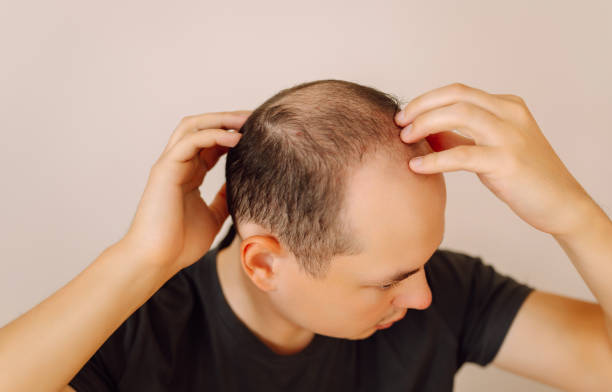
Hair Loss Treatment Approaches for Different Types of Hair Loss

R
Royal Clinic
Oct 07, 2026 Riyadh

Hair loss can affect people differently, and the right treatment depends largely on its underlying cause, pattern, and severity. While some forms of shedding may be temporary, others can gradually progress without appropriate management. Modern Hair Loss Treatment in Riyadh (علاج تساقط الشعر في الرياض) offers several approaches that can be tailored to individual hair and scalp concerns, helping patients understand their options and make informed decisions.

Understanding the Different Types of Hair Loss

Before choosing a treatment, it is important to identify what type of hair loss is occurring. Hair loss can result from genetics, hormonal changes, stress, medical conditions, nutritional deficiencies, aging, or damage to the scalp and hair follicles.

Common types include pattern hair loss, excessive temporary shedding, patchy hair loss, and hair thinning associated with scalp conditions. Because these conditions can have different causes, a professional assessment is often the first step toward selecting an appropriate approach.

Treatment for Pattern Hair Loss

Pattern hair loss is one of the most common forms of progressive thinning. It may cause a receding hairline, thinning at the crown, or a widening part, depending on the individual.

Medical and Topical Approaches

For suitable patients, medical or topical treatments may help slow ongoing hair loss and support the health of existing follicles. These options are generally more useful when treatment begins during earlier stages.

A specialist can determine whether a particular approach is appropriate based on the patient's age, health, pattern of hair loss, and other factors.

Hair Transplantation

When pattern hair loss has resulted in more significant and stable areas of thinning, hair transplantation may be considered. During the procedure, healthy follicles from a suitable donor area are transferred to areas affected by hair loss.

The goal is to create natural-looking coverage while working with the patient's existing hair pattern. Not everyone is a candidate, so an assessment of donor hair and overall scalp health is important.

Treatment for Temporary Excessive Shedding

Some people experience increased shedding after significant stress, illness, nutritional changes, hormonal fluctuations, or other physical events. This type of hair loss may improve after the underlying trigger is addressed.

Treatment may therefore focus on identifying and managing the contributing factor rather than immediately pursuing a restorative procedure. Proper nutrition, stress management, gentle hair care, and appropriate medical guidance may support recovery.

If excessive shedding continues, professional evaluation can help determine whether another form of hair loss is present.

Treatment for Patchy Hair Loss

Patchy hair loss can appear as clearly defined areas with reduced or absent hair. There are several possible causes, including autoimmune conditions and localized scalp problems.

Because patchy hair loss can require a different management strategy, self-treatment is not recommended. A specialist can assess the affected areas and determine whether medical evaluation or targeted treatment is necessary.

Treatment for Hair Loss Related to Scalp Conditions

Scalp inflammation, excessive oiliness, infections, or other scalp problems can sometimes contribute to increased shedding or poor hair quality. In these situations, addressing the scalp condition may be an important part of the overall treatment plan.

Professional scalp assessment can help identify visible signs of irritation or other concerns and guide appropriate care. Once the underlying issue is managed, hair growth may improve depending on the condition and extent of follicle involvement.

PRP for Suitable Hair Loss Concerns

Platelet-rich plasma (PRP) therapy is another option used in hair restoration. A small blood sample is processed to concentrate platelets, which are then introduced into targeted areas of the scalp.

The growth factors found in platelets may help support the scalp environment and hair follicles in suitable candidates. PRP is generally considered as part of a personalized treatment plan rather than a universal solution for every type of hair loss.

How Professionals Determine the Best Approach

There is no single treatment that works equally well for all types of hair loss. During an evaluation, a specialist may review the patient's medical and family history, examine the scalp, assess the pattern of thinning, and discuss when the hair loss began.

Additional testing may sometimes be recommended when nutritional, hormonal, or other underlying factors are suspected. These findings help determine whether Hair Loss Treatment in Riyadh should focus on reducing shedding, preserving existing hair, supporting follicle health, or restoring areas of significant loss.

Why Early Treatment Can Be Beneficial

Recognizing hair loss early can provide more opportunities for managing the condition. When thinning is identified at an earlier stage, suitable treatments may help maintain existing hair and address contributing factors before the condition becomes more advanced.

This does not mean every case requires immediate treatment. Instead, professional assessment can help determine whether monitoring, lifestyle adjustments, medical management, or a restorative procedure is appropriate.

What Results Should You Expect?

Hair restoration results vary from person to person. Factors such as the cause of hair loss, treatment type, severity, age, overall health, and individual response can influence outcomes.

Many hair treatments require patience because follicles follow natural growth cycles. Some approaches focus on reducing shedding or maintaining existing hair, while restorative procedures are intended to improve coverage in areas where hair has been lost.

Professional Hair Loss Care at Royal Clinic Saudia

At Royal Clinic Saudia, patients can receive professional evaluation for different types of hair loss and guidance based on their individual concerns. Understanding the cause and pattern of thinning is an important part of developing a suitable treatment plan.

Whether the concern involves gradual thinning, excessive shedding, patchy loss, or more advanced hair loss, personalized guidance can help you explore appropriate Hair Loss Treatment in Riyadh options.

Book an Appointment at Royal Clinic Saudia

If you are experiencing noticeable hair thinning or increased shedding, consider scheduling a consultation at Royal Clinic Saudia ( عيادات رويال كلينك ). A professional assessment can help identify possible causes and determine which treatment approach may be suitable for your hair and scalp needs.

FAQs:

What is the most common type of hair loss?
Pattern hair loss is one of the most common forms and typically develops gradually due to genetic and hormonal factors.

Can temporary hair shedding grow back?
Yes, hair may recover when temporary shedding is caused by a reversible trigger and the underlying factor is properly addressed.

Is PRP effective for every type of hair loss?
No. PRP may be suitable for certain types of thinning but is not appropriate for every hair-loss condition.

When should I see a specialist about hair loss?
Consider an evaluation when shedding persists, hair density decreases noticeably, or you develop a receding hairline or patchy areas of hair loss.