New York City Advances Implementation of 'City of Yes for Housing Opportunity' to Unlock 80,000 Homes Through Historic Zoning Reforms
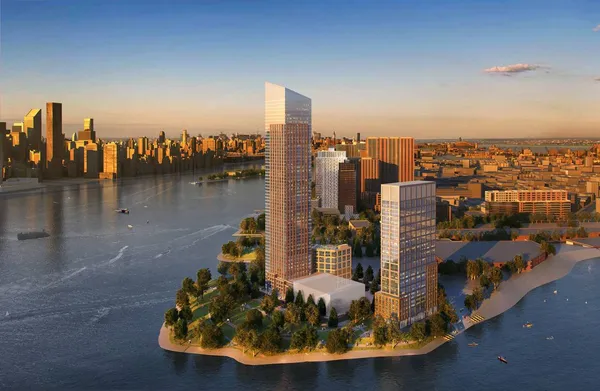
Modernizing New York City's Decades-Old Zoning Framework
NEW YORK, New York — In a monumental stride toward confronting the metropolitan housing shortage, the New York City Department of City Planning (DCP) and municipal housing leadership have accelerated the administrative implementation of the landmark City of Yes for Housing Opportunity zoning reforms. Enacted to systematically overhaul the city's zoning resolution dating back to 1961, the comprehensive initiative establishes legal pathways and updated density frameworks engineered to produce between 80,000 and 82,000 newly built homes across all five boroughs over the next 15 years.
City planners emphasize that the framework is built on shared civic responsibility, enabling every neighborhood across the five boroughs to contribute incrementally toward addressing the severe housing deficit. By replacing restrictive land-use regulations with flexible, modern standards, New York City aims to expand residential options for working families, municipal employees, and seniors while easing severe rental market cost burdens.
Universal Affordability Preference and 20 Percent Density Bonuses
Central to the regulatory rollout is the Universal Affordability Preference (UAP) mechanism. Under UAP rules, residential developments in medium- and high-density zoning districts qualify for an automatic 20 percent floor area bonus, provided the supplemental space is permanently designated as affordable housing for households earning lower and middle incomes.
Unlike legacy discretionary approval pathways that frequently triggered years of bureaucratic review, UAP operates as an as-of-right density incentive. The approach provides clear economic predictability for developers, non-profit community housing trusts, and civic partners committed to integrating permanently affordable residences into dynamic, transit-connected neighborhoods.
Lifting Parking Mandates and Streamlining Office-to-Residential Conversions
The City of Yes framework also tackles key physical barriers that previously rendered urban residential construction prohibitively expensive. In transit-dense areas within easy walking distance of subway corridors and high-frequency bus lines, antiquated minimum parking requirements have been systematically reduced or eliminated. This policy change liberates substantial ground-floor acreage and costly subterranean square footage for neighborhood-serving retail, community clinics, and additional apartments.
Furthermore, the initiative updates conversion standards for obsolete commercial buildings. The eligibility window has been expanded to encompass commercial and office properties built prior to 1991, allowing property owners across Lower Manhattan, Midtown, and outer-borough commercial districts to adaptively repurpose vacant commercial footprints into high-quality residential communities.
Preparing for 2026 Regulatory Milestones and Economic Growth
City housing officials noted that as developers prepare for transitional deadlines approaching late 2026, the updated rules establish transparency for recording regulatory agreements and financing packages. By combining transit-oriented housing growth, streamlined commercial conversions, and permanent affordability protections, New York City is executing a visionary urban planning blueprint designed to generate tens of thousands of union construction jobs, stimulate local commerce, and foster a thriving, equitable city for future generations.
📰 Related Stories
- JFK Airport Unveils Initial Gates at $4.2B Terminal 6 as MTA Harmonizes LIRR TrainTime to Penn Station New York City • Oct 04, 2026
- NYC Subway Surpasses 4.7 Million Daily Riders as MTA Rolls Out 2,500 Clean Buses and City Deploys Housing Fast Track New York City • Oct 03, 2026
- Port Authority Advances $9.5 Billion JFK New Terminal One as Landmark 2.6-Million-Square-Foot Gateway Enters Systems Integration and Operational Trials New York City • Oct 03, 2026
- Chicago Transit Authority Accelerates $5.7 Billion Red Line Extension as Heavy Civil Construction and Utility Relocations Advance South of 95th Street Chicago • Oct 04, 2026