Is PRP Hair Treatment in Riyadh Suitable for Everyone?

R
Royal Clinic
Oct 01, 2026 Riyadh

Hair thinning and excessive shedding can happen for many different reasons, including genetics, hormonal changes, aging, nutritional factors, and scalp conditions. Since the cause and pattern of hair loss vary from person to person, the same treatment may not be suitable for everyone. prp riyadh may be an option for certain individuals with viable hair follicles, but a professional assessment is important before starting treatment.

PRP, or platelet-rich plasma, is prepared from a small sample of the patient's own blood. During PRP Hair Treatment in Riyadh, the platelet-rich portion is separated and carefully administered into selected areas of the scalp. The treatment is intended to support existing follicles and their surrounding environment. PRP does not create completely new hair follicles, making follicle condition an important factor when determining suitability.

Who May Be Suitable for PRP?

PRP may be considered for people experiencing certain forms of hair thinning where existing follicles are still present and potentially responsive.

People With Early Hair Thinning

Individuals who have recently noticed reduced hair density or increased shedding may be evaluated for PRP. Early assessment can help determine whether viable follicles remain in the affected areas.

People With Pattern Hair Loss

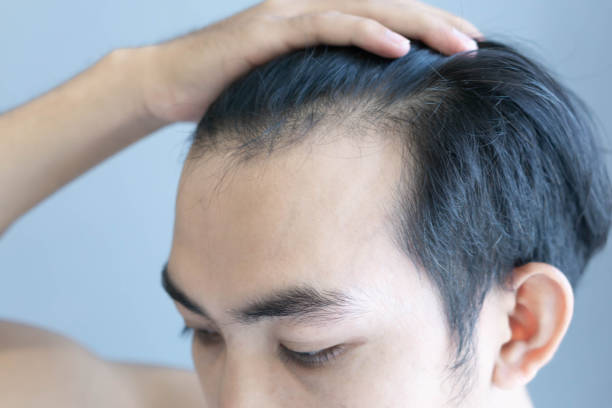
Pattern hair loss can gradually affect the temples, hairline, crown, or central scalp. PRP may be discussed as part of a personalized treatment plan when suitable follicles remain.

Individuals With Thinning Hair

People experiencing gradual thinning without complete follicle loss may also consider PRP. The potential response depends on the cause of thinning and the condition of the follicles.

Who May Not Be an Ideal Candidate?

PRP is not appropriate for every type or stage of hair loss. A consultation can help identify situations where another treatment or additional medical evaluation may be more suitable.

Areas Without Viable Follicles

PRP is designed to support existing follicles. If follicles are no longer viable in a particular area, PRP cannot create new ones. Other hair restoration options may therefore be considered.

Certain Underlying Conditions

Hair loss caused by particular medical, hormonal, nutritional, or scalp-related conditions may require treatment of the underlying problem. PRP alone may not address the primary cause.

Active Scalp Problems

People with certain scalp infections, significant inflammation, or other untreated scalp conditions may need appropriate evaluation and management before undergoing PRP.

Why the Cause of Hair Loss Matters

Identifying the reason for hair loss is an important part of treatment planning. Different causes can produce similar symptoms but may require different approaches.

Genetic Hair Loss

Genetic factors can contribute to gradual follicle miniaturization and patterned thinning. PRP may be considered for some individuals as part of a broader hair-management plan.

Temporary Hair Shedding

Some people experience temporary shedding after illness, significant stress, nutritional changes, or other events. Identifying and addressing the underlying trigger may be more appropriate before considering PRP.

Hormonal Factors

Hormonal changes can influence the hair-growth cycle. When hormonal factors are suspected, a healthcare professional may recommend appropriate assessment before treatment.

What Happens During a PRP Consultation?

A professional consultation allows the specialist to evaluate whether PRP is appropriate for an individual's hair and scalp condition.

Evaluating Hair Loss

The specialist may examine the location and extent of thinning, including the hairline, temples, crown, and overall scalp density.

Examining the Scalp

The scalp may be assessed for signs of irritation, inflammation, excessive scaling, or other conditions that could affect treatment planning.

Reviewing Medical History

Previous hair treatments, medications, health history, and the progression of hair loss may be discussed. This information helps create a more individualized treatment approach.

How PRP Works for Suitable Candidates

For appropriate candidates, PRP is intended to provide localized support to existing hair follicles.

Supporting Existing Follicles

Platelets contain naturally occurring substances involved in tissue repair and cellular signaling. Their localized application may help create a supportive environment around suitable follicles.

Supporting Hair Appearance

Some individuals may experience gradual changes in hair thickness, density, or overall appearance. However, individual responses vary and results cannot be guaranteed.

What Happens During the Treatment?

Once a patient has been assessed and considered suitable, a small blood sample is collected. The sample is processed to separate the platelet-rich plasma.

The prepared plasma is then administered into selected areas of the scalp through a series of small injections. The treatment areas and technique depend on the individual's hair-loss pattern and treatment plan.

Temporary redness, tenderness, or sensitivity may occur following treatment. Specific aftercare instructions can be provided by the treating professional.

How Long Does PRP Take to Show Results?

PRP does not produce immediate hair growth. Hair follicles follow a natural growth cycle, so any changes generally develop gradually.

Some suitable patients may notice changes in shedding or hair appearance after a period of treatment, while more visible changes may take several months. The timeline depends on follicle condition, underlying cause, treatment schedule, and individual response.

Can PRP Be Combined With Other Treatments?

Depending on the cause and severity of hair loss, PRP may sometimes form part of a broader hair restoration plan. A specialist may discuss medical treatments, hair transplantation, or other approaches when appropriate.

People with significant follicle loss may require a different strategy, while those with active follicles may be candidates for supportive treatments. Any combination of treatments should be based on professional assessment.

Setting Realistic Expectations

Understanding the capabilities and limitations of PRP is important before treatment. PRP is intended to support existing viable follicles rather than generate new ones.

Results can differ between individuals. The duration of hair loss, follicle condition, underlying cause, scalp health, and treatment response may all influence the outcome.

Maintaining Hair and Scalp Health

Healthy hair-care habits can complement a professional treatment plan. Gentle washing, avoiding excessive heat and chemical processing, and reducing unnecessary hair breakage can help maintain healthier-looking hair.

A balanced diet and appropriate management of underlying health concerns can also support overall hair health. Persistent or sudden hair loss should be professionally evaluated.

Book Your Appointment at Royal Clinic Saudia

If you are unsure whether PRP Hair Treatment in Riyadh is suitable for your hair-loss concerns, a professional consultation can provide personalized guidance. Royal Clinic Saudia can assess your scalp and hair condition, discuss available options, and help develop a treatment approach based on your individual needs.

FAQs:

Is PRP suitable for everyone with hair loss?
No. Suitability depends on the cause of hair loss, scalp condition, and presence of viable follicles.

Can PRP treat completely bald areas?
PRP supports existing follicles and cannot create new follicles where they are no longer viable.

Is PRP suitable for pattern hair loss?
It may be considered for some individuals with pattern hair loss when viable follicles remain.

Do I need a consultation before PRP?
Yes. A professional assessment can help identify the cause of hair loss and determine whether PRP is appropriate.