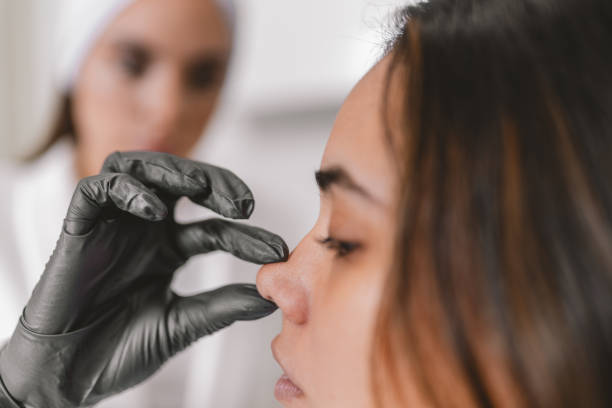
How Rhinoplasty Can Address Changes in Nose Size

R
Royal Clinic
Sep 30, 2026 Riyadh

The size of the nose can strongly influence overall facial balance because it sits at the center of the face. Some people consider rhinoplasty because their nose appears too large, too wide, too narrow, or disproportionate to their other facial features. Rhinoplasty in Riyadh (سعر عملية تجميل الأنف في الرياض) can be planned to modify selected aspects of nasal size while maintaining appropriate structure, function, and facial harmony.

Understanding What “Nose Size” Means

Nasal size is not determined by one measurement. It includes the overall height, width, length, projection, bridge dimensions, tip size, and nostril width.
A nose may appear larger because of a prominent bridge, a broad tip, increased width, or its relationship with the chin and other facial features. Therefore, treatment planning needs to look beyond simply making the nose smaller.

Overall Nasal Proportion

A proportionate nose should complement the individual's facial structure rather than follow one universal measurement. Facial width, cheek structure, lips, chin projection, and jawline can all influence how nasal size is perceived.

Reducing the Overall Appearance of a Large Nose

Rhinoplasty may be used to reduce selected nasal dimensions when appropriate. Depending on the patient's anatomy, this can involve modifying the bridge, tip, nasal bones, or other structures.

Reducing a Prominent Bridge

A pronounced dorsal hump can make the nose appear larger in profile. Carefully reshaping the bridge may reduce this prominence while maintaining adequate structural support.

Refining a Broad Tip

A wide or bulbous nasal tip can contribute to an overall impression of increased nasal size. Tip refinement may alter the shape and definition of the cartilage while preserving appropriate support.

Narrowing the Nasal Width

Some patients are concerned about the width of the nasal bones or nostrils. Selected surgical techniques may narrow these areas when appropriate for the individual's facial proportions.

Addressing a Nose That Appears Too Long

Nasal length can affect facial balance, particularly when viewed from the side. Depending on the anatomy, rhinoplasty may modify the relationship between the bridge, tip, and overall nasal projection.
A drooping or downward-facing tip can also influence the perceived length of the nose. Appropriate tip repositioning may change this appearance while maintaining functional support.

Managing Nasal Projection

Projection refers to how far the nose extends from the face. A nose can appear prominent even when its overall dimensions are not particularly large.
Rhinoplasty may adjust projection by modifying or repositioning selected nasal structures. The goal is to create proportions that complement the rest of the face rather than simply reducing projection as much as possible.

Can Rhinoplasty Make a Small Nose Larger?

Rhinoplasty is not limited to reduction. Some patients have a nose that appears too small, flat, or lacking projection in relation to their facial structure.

Adding Structure and Definition

In selected cases, cartilage grafts or other techniques may be used to increase projection or improve definition. This can involve the bridge, tip, or other areas depending on the individual's anatomy.
The appropriate approach depends on the amount of structural change required and the quality of the available tissue.

Skin Thickness and Nasal Size

Skin and soft-tissue thickness can influence how changes to the underlying nasal framework appear externally.
Thicker skin may make subtle structural refinements less visible, while thinner skin can reveal underlying irregularities more easily. Surgeons consider skin characteristics when planning the extent and type of reshaping.

Maintaining Nasal Function

Changing nasal size should not be viewed separately from nasal function. The bones, cartilage, septum, and nasal valves contribute to both the shape of the nose and its ability to support airflow.
For this reason, excessive reduction or alteration of structural components may create functional problems. A carefully planned procedure aims to balance aesthetic changes with structural stability.
Rhinoplasty in Riyadh can be individualized according to nasal anatomy, facial proportions, breathing considerations, and the specific changes a patient wants to achieve.

Open and Closed Approaches

Both open and closed rhinoplasty techniques can be used for selected nasal reshaping procedures.

Open Rhinoplasty

Open rhinoplasty provides broader access to the nasal framework through internal incisions and a small incision across the columella. It may be considered when detailed structural modifications are needed.

Closed Rhinoplasty

Closed rhinoplasty uses incisions inside the nostrils and may be appropriate when the planned changes can be performed through an internal approach.
The choice depends on the patient's anatomy, surgical goals, previous procedures, and the complexity of the required changes.

How Facial Features Influence Perceived Nose Size

The nose does not exist in isolation. Chin projection, cheek structure, lips, forehead, and jawline can affect how large or small the nose appears.
For example, a less prominent chin may make the nose appear more prominent in profile. A surgeon may therefore assess overall facial proportions before recommending changes to nasal size.

What to Discuss During Your Consultation

During consultation, explain exactly what concerns you about your nose. You may feel that it is too wide from the front, too prominent from the side, too long, or disproportionate to your face.
Your surgeon may assess:

  • Nasal width and height
  • Bridge shape
  • Tip size and projection
  • Nostril width
  • Facial proportions
  • Skin and soft-tissue thickness
  • Nasal breathing
  • Previous injury or surgery
    This assessment helps determine which changes may be appropriate.

Recovery After Nasal Reshaping

Swelling and bruising are common after rhinoplasty and can temporarily make the nose appear larger than expected. The tip may remain swollen for longer than other areas.
As healing progresses, the tissues gradually settle and the shape becomes clearer. Final refinement can take considerably longer than the initial recovery period.

Setting Realistic Expectations

Rhinoplasty can change selected aspects of nasal size, but the result depends on anatomy, skin characteristics, structural support, surgical technique, and individual healing.
The aim is generally to create a nose that fits naturally with the rest of the face rather than achieving a predetermined size.

Book Your Appointment at Royal Clinic Saudia

If you are considering Rhinoplasty in Riyadh to change the size, width, length, or projection of your nose, Royal Clinic Saudia ( عيادات رويال كلينك ) can provide a personalized consultation. Your facial proportions, nasal structure, breathing, and aesthetic goals can be assessed before treatment options are discussed.

FAQs:

Can rhinoplasty make a large nose smaller?
It can modify selected aspects of nasal size, including the bridge, tip, width, or projection, when appropriate.
Can rhinoplasty make a small nose larger?
Yes. Selected techniques may add projection or structure when increased nasal size or definition is appropriate.
Does rhinoplasty change the width of the nose?
In suitable cases, surgical techniques can modify nasal bone or nostril width.
Will swelling make the nose look larger after surgery?
Yes. Postoperative swelling can temporarily make the nose appear larger before the tissues gradually settle.