Dallas City Council Passes $5.66 Billion Budget Lowering Property Tax Rate for 11th Year and Investing $82.3M in Public Safety
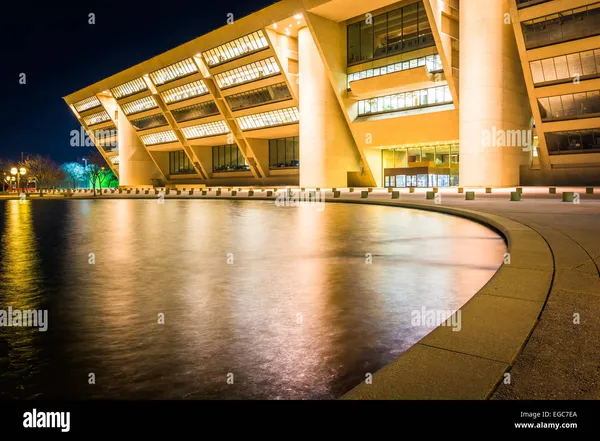
City Council Adopts $5.66 Billion Fiscal Package in 10-5 Vote
DALLAS, Texas — The Dallas City Council formally voted 10-5 in late September 2026 to adopt a comprehensive $5.66 billion municipal budget for the 2026-27 fiscal year, which takes effect on October 1. The approved spending blueprint prioritizes core municipal services, street maintenance, and frontline emergency response while delivering tax relief to residential and commercial property owners.
Marking an impressive financial milestone, the council approved an 11th consecutive annual reduction in the municipal property tax rate, lowering it from 69.88 cents down to 69.78 cents per $100 of assessed property valuation, underscoring the city's disciplined approach to property tax management.
$82.3 Million Surge in Public Safety and Officer Recruitment
Public safety stood at the forefront of the adopted fiscal plan, with the council allocating a combined $82.3 million budget increase dedicated to the Dallas Police Department (DPD) and Dallas Fire-Rescue (DFR). The multi-year funding package finances the recruitment and training of 750 new sworn police officers over the next two years, bolstering neighborhood patrol coverage and specialized investigative divisions.
To enhance recruitment in an increasingly competitive regional market, the budget increases starting salaries for new police recruits to $83,822 annually, ensuring Dallas remains a premier destination for top law enforcement talent across North Texas.
Pension Solvency Commitments and DART Mobility Funding
Council members also affirmed their ongoing statutory commitments to ensure the long-term actuarial solvency of the Dallas Police and Fire Pension System (DPFPS), enacting a structured contribution schedule in compliance with Texas legislative mandates.
Simultaneously, the Dallas Area Rapid Transit (DART) Board of Directors approved its $1.4 billion annual operating budget. The transit agreement fully funds the General Mobility Program, returning dedicated local transit revenues to member cities for localized arterial repairs and pedestrian safety enhancements without cutting existing bus or light rail services.
📰 Related Stories
- Civic Coalition Launches Charter Petition to Preserve Landmark I.M. Pei-Designed Dallas City Hall Building Dallas • Sep 26, 2026
- Taiwan Expo USA 2026 Opens in Downtown Dallas Highlighting AI Manufacturing and Clean Energy Partnerships Dallas • Sep 25, 2026
- 2026 State Fair of Texas Opens at Fair Park with Welcoming Crowds and Agricultural Showcases Dallas • Sep 25, 2026
- Dallas Surrogacy Custody Fight Continues as Newborn Rumi Remains Critical Dallas • Aug 19, 2026