Milan City Council Accelerates 'Full Electric 2030' Transit Transition and M4 Metro Network Expansion
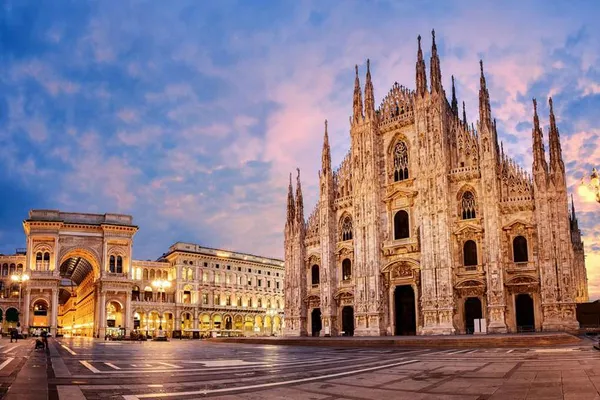
Transforming Urban Mobility Across the Lombardy Capital
MILAN, Italy — In a unanimous vote, the Milan City Council (Comune di Milano) has approved significant strategic updates to its General Urban Traffic Plan (PGTU), deploying substantial capital from the European Union's National Recovery and Resilience Plan (PNRR) to accelerate municipal transit agency ATM's flagship 'Full Electric 2030' transition program.
The initiative mandates the rapid procurement and progressive deployment of more than 200 next-generation battery-electric and hydrogen fuel-cell buses across Milan’s highest-density commuter routes. To support the expanded zero-emission fleet, the municipal plan authorizes the comprehensive retrofit of three historical bus depots—San Donato, Giambellino, and Sarca—into high-capacity, automated opportunity-charging hubs powered by dedicated rooftop photovoltaic solar arrays and industrial battery energy storage systems.
Intermodal Synergy with the Automated Metro Line M4
The council's policy resolution also prioritizes intermodal integration surrounding the newly completed Metro Line M4 (the Blue Line), which provides a fully automated, driverless underground connection linking Milan Linate Airport directly with the central historic core and the western terminus at San Cristoforo FS. Civic engineers have commenced final surface streetscape improvements, installing expanded pedestrianized plazas, separated bike lanes, and shared e-scooter docking bays around 21 subterranean stations.
Transit analysts project that the combination of high-capacity driverless metro trains operating at 90-second headways and an entirely electrified feeder bus network will eliminate more than 30 million private car trips from Milan's metropolitan roadway network annually, significantly mitigating traffic gridlock along the outer ring roads.
Meeting Strict European Air Quality and Climate Mandates
As one of the European Commission's designated '100 Climate-Neutral and Smart Cities by 2030', Milan is under stringent mandates to curb localized particulate matter (PM10 and PM2.5) and nitrogen oxide emissions within the Po Valley geographic basin. Municipal transport officials emphasized that the synchronized rollout of clean electric buses, pedestrian-friendly station precincts, and smart traffic signal priority establishes Milan as a frontrunner in sustainable European urban transit design.
📰 Related Stories
- San Francisco Teacher Survives Brutal Throat-Slashing Attack in Italy Milan • Jul 20, 2025
- Oksana Masters Claims 11th Paralympic Gold in Emotional Sprint Redemption at Milan Cortina Val Di Fiemme • Mar 11, 2026
- Switzerland Defeats United States in Women’s Curling Semifinal at Milan Cortina 2026 Cortina D'Ampezzo • Feb 20, 2026
- First American Pope Leo XIV Calls for Unity and Justice in Historic Vatican Inaugural Mass Vatican City • May 19, 2025