Christian Castro Released in Brownsville After Judge Denies Minnesota Bid to Halt Release
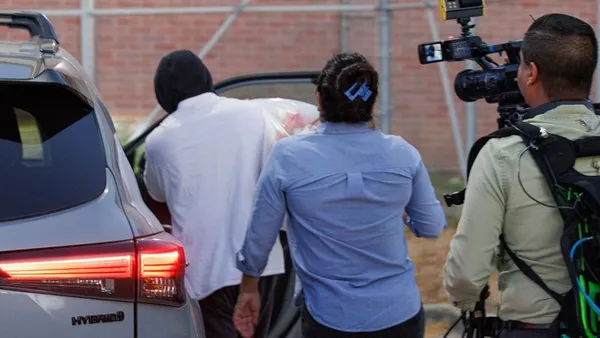
ICE officer leaves Texas jail as Minnesota pursues assault case tied to Minneapolis shooting
BROWNSVILLE, Texas — U.S. Immigration and Customs Enforcement officer Christian Castro, who faces felony assault charges in Minnesota over the shooting of a Venezuelan migrant in Minneapolis, was released from a Brownsville jail on Thursday after a federal judge declined to block his release, according to the Associated Press.
Castro walked out of the Carrizalez-Rucker Cameron County Detention Center after being held in Cameron County since his May 29 arrest in Texas. His release came one day after U.S. District Judge Fernando Rodriguez Jr. rejected Minnesota's request for a temporary restraining order that would have prevented Castro from leaving custody while the state seeks his extradition.
The case stems from a Jan. 14 shooting in Minneapolis, Minnesota, during Operation Metro Surge. Authorities said Castro shot a Venezuelan migrant in the leg and arrested two other people. Minnesota prosecutors later charged Castro with four counts of second-degree assault and one count of falsely reporting a crime.
Castro had claimed that the man he shot assaulted him with a broomstick and shovel before the gunfire. Investigators, however, said footage from a nearby camera contradicted that account and helped establish the basis for the false-report charge.
Judge says extradition dispute is not yet ready for court action
Minnesota had asked the federal court to intervene because officials argued that Texas Gov. Greg Abbott was violating the Extradition Act by failing to sign a rendition warrant for Castro. In a 13-page order issued Wednesday, Rodriguez ruled that the dispute was not ripe for adjudication because Abbott had not formally refused the request.
"The record reflects only that Governor Abbott has neither agreed nor refused to sign the rendition warrant as to Castro," Rodriguez wrote. The judge said Abbott instead directed the Texas secretary of state to investigate Minnesota's request and report on Castro's circumstances and whether he should be surrendered.
Minnesota officials had argued that releasing Castro created a substantial risk that he could leave the country. Their lawsuit cited jail calls in which Castro allegedly discussed marrying a woman in Mexico and buying a home there after his release. Rodriguez acknowledged that Castro could potentially flee, but said the possibility of injury alone did not make the legal dispute ready for a ruling.
Minnesota Attorney General Keith Ellison said Castro would not avoid accountability in the state. Hennepin County Attorney Mary Moriarty said the central questions were when Abbott might ultimately be ordered to act on the extradition papers and where Castro would be by that point.
Abbott spokesman Andrew Mahaleris welcomed the ruling, saying Texas law required Castro's release while the state continued examining his fugitive status. Mahaleris said law enforcement would continue monitoring Castro and that a governor's warrant would be executed if Abbott determines he is a fugitive.
The release intensifies an interstate legal fight involving a federal immigration officer and Minnesota's prosecution over the Minneapolis shooting. Castro remains charged in Minnesota, while Texas officials have not announced a final decision on the extradition request.
📰 Related Stories
- Christian Castro Extradition Case: Brownsville Judge Signals ICE Officer Could Leave Jail Brownsville • Aug 26, 2026
- Texas Court Interpreter Detained by ICE Amid Dispute Over Legal Status Brownsville • Apr 16, 2026
- Rio Grande buoys spark environmental and treaty concerns as federal rollout begins Brownsville • Mar 23, 2026
- Mayor Cherelle Parker Marks 1,000 Days in Office with Kensington Public Safety Gains and $2B H.O.M.E. Housing Plan Philadelphia • Oct 24, 2026