San Antonio Homeowners Urged to Review Texas Home Insurance as Weather Risks Rise
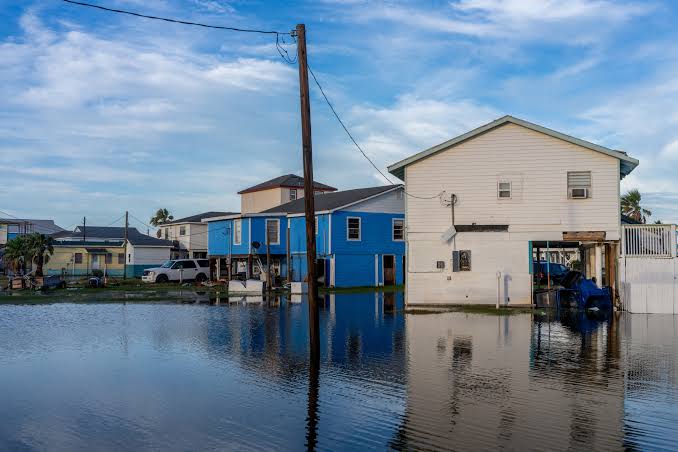
Hail, floods and wildfire danger are reshaping coverage decisions across Texas
SAN ANTONIO, Texas — San Antonio homeowners are being urged to examine their Texas home insurance policies before the next round of severe weather, as frequent hailstorms, flash flooding, wildfires and damaging winds continue to raise claim costs and influence coverage terms statewide.
Texas residents can face sharply different hazards within days, from triple-digit heat and heightened wildfire conditions to thunderstorms capable of producing hail, tornadoes and sudden flooding. While an individual storm may pass quickly, its financial consequences can remain for years through higher premiums, increased deductibles and changes in the insurance options available to property owners.
Rich Johnson, communications director for the Insurance Council of Texas, said insurers have adopted several responses as weather-related losses have mounted. Those measures include pricing changes and revisions to deductible structures for homeowners and motorists.
“We’ve seen a couple of different strategies,” Johnson said. “There’s been some changes in deductibles, but there’s also been price increases. We’ve seen our home insurance and even auto insurance increase, especially after the last five years.”
Hail claims remain a major concern for insurers
Hail is one of the most significant financial threats facing Texas property insurers, Johnson said, because of both the frequency of storms and the severity of damage they can cause. Hail can break windows, damage exterior siding and dent vehicles, but roof repairs or full roof replacement often account for the largest homeowner claims.
“Hail is the number one payout that the insurance company is concerned about right now, just because of that frequency and severity,” Johnson said. He added that, short of rebuilding a home after a catastrophic fire, roof work is among the most expensive losses insurers regularly pay.
Major hail events in North and Central Texas in recent years have added to statewide claim costs. Insurers generally weigh the frequency of a hazard, the expected cost of repairs and the amount of risk they are prepared to assume when they set rates and decide policy conditions.
Standard policies generally do not include flood coverage
Flooding presents a separate concern in San Antonio and other parts of South Central Texas, where intense rainfall can overwhelm drainage systems and trigger dangerous flash floods. A standard homeowners policy generally does not cover flood damage, Johnson said, meaning residents may need to buy separate protection through the National Flood Insurance Program or a private carrier.
“Your typical homeowner’s policy does not cover flood,” Johnson said. He advised residents not to assume they do not need coverage simply because their homes are outside a mapped flood zone.
Wildfire exposure also extends beyond rural communities during prolonged dry spells and extreme heat. Homeowners can reduce potential damage by creating defensible space, including removing dead vegetation, clearing brush and keeping flammable materials away from structures. Johnson said property owners should make sure their deductibles are affordable while comparing renewal options and considering steps that reduce risk around their homes.
Texas ranks among the nation’s most weather-vulnerable states for insured risks including flood, hail, wind, tornadoes, hurricanes and lightning, Johnson said. Homeowners should review deductibles, coverage limits and exclusions; document their property before storm season; and consider whether flood insurance is needed. The insurance industry’s assessment of these risks remains ongoing, and Texans may continue to see higher premiums, larger deductibles or changing coverage choices at renewal.
📰 Related Stories
- San Antonio City Council Approves 23.7% SAWS Water Rate Plan as Autumn Weather Boosts River Walk Dining San Antonio • Oct 13, 2026
- Mayor Ortiz Jones Advocates for Urban Relief as SAISD Foundation and H-E-B Inaugurate Dedicated Teacher Supply Store San Antonio • Oct 06, 2026
- VIA Metropolitan Transit Sets Service Hearing as San Antonio Airport Secures $40.9M FAA Drainage Grant San Antonio • Oct 06, 2026
- VIA Rapid Advances $481M Green Line as San Antonio City Council Enacts FY2027 Budget San Antonio • Oct 05, 2026