Soul City Corridor Gateway Project Stalled in Chicago's Austin Neighborhood
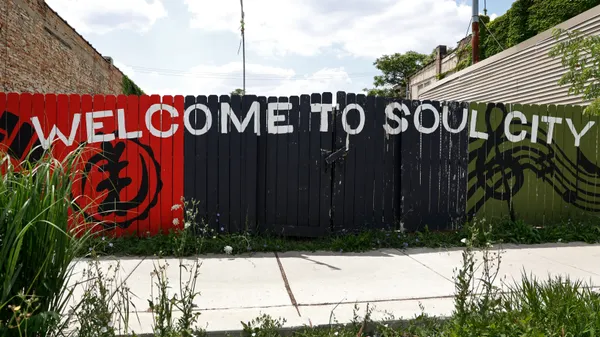
Residents Urge Swift Action on Cultural Landmark
Residents of the Austin neighborhood in Chicago have become increasingly frustrated as construction of a long-awaited gateway arch for the Soul City Corridor remains stalled. Plans for the arch, intended to highlight the community's cultural significance, were first announced in 2020 when artist Bernard Williams was selected to design it. Despite the Illinois state’s designation of a larger segment of Austin as Soul City, a cultural district that should have provided $200,000 in funding, the project has yet to move forward.
The Soul City Corridor stretches along Chicago Avenue from Austin Boulevard to Cicero Avenue. For residents, the delay represents more than just bureaucracy; it reflects the long history of disinvestment in their community and a struggle to reshape its narrative. As Austin becomes a focal point for Black-owned businesses and cultural initiatives, the lack of a prominent landmark serves as a reminder of the challenges still present.
A Symbol of Change and Community Pride
Among those voicing concerns is Corey DooleyJohnson, a resident and local entrepreneur who highlighted the disparity between the affluent suburb of Oak Park and the underserved Austin neighborhood in a viral LinkedIn post. DooleyJohnson emphasized the need for visible signs of investment in the community, saying, “To be able to have a gateway there says that we [now] care about the community.”
In July, Mayor Brandon Johnson acknowledged the ongoing frustrations but assured residents that plans for the arch are still in place, promising a lasting symbol that encapsulates both the history and future of the community. “This is something that’s going to live in perpetuity,” he said, emphasizing the importance of accuracy in representing the story of Austin.
Investments and Community Growth
Despite delays in the arch’s construction, the city has been working on other fronts to revitalize Austin, which has the highest Black population among Chicago’s communities. Recent investments have included renovations of Chicago Avenue, support for local Black-owned businesses, and the establishment of mixed-income housing. The community is also witnessing the emergence of new businesses, which range from coffee shops like Spill the Beans to community-focused venues like Joseph’s Place Community Theater.
Local business leaders aim to reshape the narrative around Austin and combat stigmas related to safety and economic viability. Robbie Wilkerson, co-owner of Spill the Beans, hopes the new influx of businesses will encourage a change in perception, stating, “We are trying to set a new standard and create a new narrative.”
Historical Context and Future Prospects
Austin has faced numerous challenges over the decades, including economic decline exacerbated by factors like redlining and white flight. These issues trace back to the 1960s and have had lasting consequences on the community’s infrastructure and opportunities. Initiatives like the Austin Quality-of-Life Plan and the Invest South/West Initiative aim to address these long-standing issues by partnering with social service agencies.
Moving forward, Malcolm Crawford, executive director of the Austin African American Business Networking Association, is optimistic about the potential for cultural programming, such as a blues festival that could enhance community ties and attract visitors. He noted, “Where do people go to experience Black culture? We don’t give people an opportunity to experience the richness of our culture.”
Awaiting Cultural Recognition
As progress continues toward establishing the Soul City Corridor as a cultural district, residents maintain their call for immediate action on the gateway arch project. The outcome will serve as not just a physical structure but as a testament to the community's resilience and pride in its cultural identity. “I think that’s what our community needs right now,” DooleyJohnson remarked. “Not only Black Chicago, but Black America needs a signal that we’re worth being invested in.”
Currently, the city has not provided a specific timeline for the completion of the gateway arch, but community leaders remain optimistic and committed to consistent engagement with city officials as they navigate this evolving initiative.
📰 Related Stories
- 29 Chicago Aldermen Form Budget Accountability Coalition Over FY 2027 Deficit as West Garfield Park Missing-Middle Housing Advances Chicago • Sep 29, 2026
- Chicago City Council Weighs Dueling Rental Reform Ordinances as Mayor Johnson Advances West Garfield Park Infill Housing Chicago • Sep 28, 2026
- Chicago Transit Authority Transitions to Reconfigured Regional Board Under NITA Act as City Manages FY 2026 Fiscal Operations Chicago • Sep 26, 2026
- Mayor Parker Reaches Halfway Mark with 16,000 Homes Under H.O.M.E. Plan as SEPTA Secures $80M Trolley Grant Philadelphia • Sep 29, 2026