Investigation Underway After 15 Elephants Die in Amboseli National Park from Suspected Cyanide Poisoning
Elephant Deaths Intensify Human-Wildlife Conflict Concerns
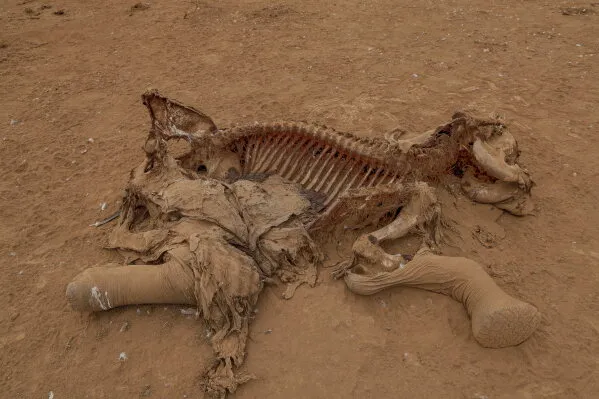
KIMANA, Kajiado County, Kenya – A tragic discovery has shocked conservationists and local farmers alike, as the carcasses of 15 elephants were found in the Amboseli National Park area, reportedly due to suspected cyanide poisoning. The incident came to light last month, raising alarms about the implications for both wildlife and agricultural practices.
The elephants, found in various states of decay, were believed to have consumed tomatoes from local farms, which preliminary investigations indicated could have been contaminated with cyanide. According to the Kenya Wildlife Service (KWS), postmortem examinations revealed the chemical in the elephants’ systems, and they exhibited signs of distress—specifically paralysis and difficulty breathing—prior to death.
Local Farmers Dispute Claims of Poisoning
Despite these findings, local farmers are pushing back against the narrative that their crops, which are key to the regional economy, are responsible. Elvis Muchai, a local tomato farmer, expressed skepticism regarding the cyanide claims, stating he has farmed in the area for 20 years without witnessing such incidents. “We are used to the animals eating from our farms,” Muchai remarked, reflecting a complex coexistence between the agricultural community and wildlife.
On the other hand, KWS officials, including Dr. Isaac Lekolool, noted that while preliminary tests have shown cyanide presence, further analyses are being conducted to ascertain the chemical’s origins. Lekolool underscored the potential risk posed by agricultural practices but clarified that cyanide is highly regulated in the country, mainly for mining purposes.
A Growing Agricultural Region
Located near Amboseli, Kimana is a crucial agricultural hub, yielding significant produce such as tomatoes, onions, and French beans that are distributed as far as Nairobi. The intersection of farming and wildlife habitat has historically contributed to human-wildlife conflict, which remains a pressing issue in the region. Data from Kenya’s National Elephant Plan indicates that between 2000 and 2020, human actions to protect property led to over 1,160 elephant deaths in similar incidents.
Call for Urgent Action on Human-Wildlife Conflict
The International Fund for Animal Welfare (IFAW) has released a statement emphasizing the need for immediate action to address the underlying issues causing this ongoing conflict. “As people and elephants increasingly share space, protecting wildlife and safeguarding communities’ livelihoods must go hand in hand,” said Ben Wandago, IFAW’s East Africa Director.
This incident also highlights the vital need for responsible handling and regulation of agricultural chemicals to prevent wildlife dangers in natural habitats. Farmers like Rymondy Mrosso question why other livestock and wildlife have not exhibited similar poisoning symptoms if the crops were the source of the cyanide, calling for clearer understanding and solutions amid the turmoil surrounding the elephants’ deaths.
As investigations continue into the source of the cyanide and the broader implications of these tragic elephant deaths, both conservationists and local communities are urging coordinated efforts to promote coexistence and protect vulnerable wildlife populations in Kenya.
Investigations into the cause of the elephants' deaths are still underway, with further laboratory tests expected to provide clarity on the situation. The urgent need for cooperative solutions to wildlife conflict has never been more apparent.
📰 Related Stories
- Laser Scar Removal in Riyadh: Exploring Advanced Dermatology Approaches Riyadh • Sep 22, 2026
- Liposuction for Stubborn Fat That Resists Diet and Exercise Riyadh • Sep 21, 2026
- Botox vs Fillers: Which Is Right for You in Riyadh? Riyadh • Sep 21, 2026
- Liposuction Results: When Will You See the Final Outcome? Riyadh • Sep 18, 2026