Liposuction for Stubborn Fat That Resists Diet and Exercise
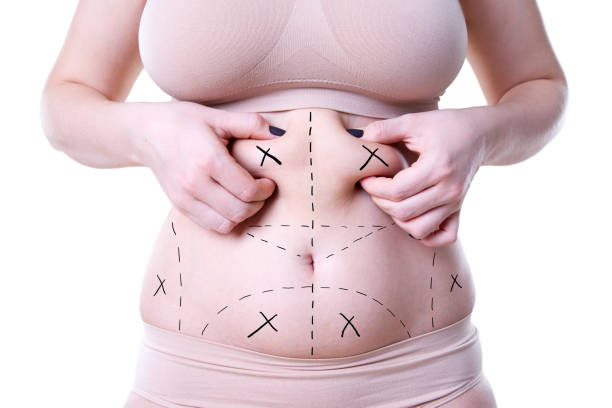
Diet and exercise are important for maintaining a healthy body, but they do not always eliminate localized pockets of fat. Areas such as the abdomen, thighs, hips, flanks, arms, and back can sometimes remain fuller despite consistent lifestyle habits. For people who are otherwise suitable candidates for body contouring, Liposuction in Riyadh can be considered to target these persistent fat deposits and refine specific body contours.
Stubborn fat does not necessarily mean that someone is unhealthy or not making enough effort. Genetics, hormones, age, body composition, and natural fat distribution can influence where the body stores fat. During a consultation, Liposuction in Riyadh may be discussed when localized fat is the primary concern and lifestyle changes have not produced the desired contour in a particular area.
What Is Stubborn Fat?
Stubborn fat refers to localized deposits that may remain even when a person maintains a healthy diet and regular physical activity. These deposits can occur in different parts of the body and may be influenced by genetics and individual body composition.
It is important to distinguish localized fat from overall excess body weight. Liposuction is designed primarily for body contouring and is not intended to replace weight-management strategies or serve as a treatment for obesity.
How Does Liposuction Target Localized Fat?
Liposuction removes selected fat deposits beneath the skin using a cannula introduced through small access points. The fat is carefully loosened and removed to reshape the targeted region. The procedure is planned according to the person's anatomy and desired contour rather than simply focusing on maximum fat removal.
Abdomen
The abdomen is a common area of concern because localized fat can make the midsection appear fuller. When suitable, targeted fat removal may help create a smoother and more streamlined abdominal contour.
Hips and Flanks
Fat around the sides of the waist can affect the transition between the upper body and hips. Carefully planned contouring may reduce suitable deposits in the flanks and help create a more defined waistline.
Thighs
The inner and outer thighs can contain localized fat that remains noticeable despite physical activity. Treatment may focus on improving the relationship between the thighs, hips, and surrounding areas.
Arms
Upper-arm fat can sometimes remain resistant to lifestyle changes. When adequate skin elasticity is present, liposuction may be considered to refine the contour of the arms.
Back
Localized fat along the upper or lower back can influence body contours and become noticeable around clothing. Targeted treatment may help smooth selected areas while maintaining natural transitions.
Who May Be a Suitable Candidate?
Liposuction may be considered for adults who are generally healthy, have relatively stable body weight, and have localized fat deposits that they want to address. Realistic expectations are essential because the procedure focuses on contour improvement rather than dramatic weight reduction.
Skin elasticity is another important consideration. After fat removal, the skin needs to adapt to the underlying contour. People with significant loose skin may require a different or additional body-contouring approach.
Why Diet and Exercise Still Matter
Liposuction does not replace healthy lifestyle habits. Regular physical activity and balanced nutrition remain important for maintaining overall health and supporting stable body weight after treatment.
The procedure can remove fat cells from targeted areas, but remaining fat cells can increase in size with significant weight gain. Maintaining a stable weight can therefore help preserve the contours achieved through body contouring.
What Happens During the Procedure?
Before treatment, the areas of concern are assessed and marked according to the planned contouring strategy. Appropriate anesthesia is selected based on the procedure and individual circumstances. A cannula is then used through small access points to carefully remove the targeted fat.
Precision is important because removing too much fat or treating an area unevenly can affect the smoothness of the final contour. The technique, number of treatment areas, and extent of fat removal are determined according to the individual's anatomy and treatment goals.
What Is Recovery Like?
Temporary swelling, bruising, tenderness, and changes in sensation can occur after liposuction. Compression garments may be recommended to support treated areas and help manage swelling. Normal activities are generally resumed gradually according to the surgeon's postoperative instructions.
The treated area may initially appear swollen, so early results should not be considered final. As healing progresses and swelling decreases, the new contours can become more noticeable. Follow-up appointments allow the medical team to monitor recovery and address concerns during the healing process.
What Results Can You Expect?
The results of Liposuction in Riyadh may become increasingly visible as postoperative swelling subsides. The procedure can refine areas with localized fat and create smoother body contours, but the outcome varies according to factors such as fat distribution, skin elasticity, anatomy, healing, and lifestyle.
Liposuction permanently removes fat cells from the treated areas, but it does not prevent future weight gain. Significant changes in body weight can affect the remaining fat cells and alter overall body contours.
Understanding the Limitations
Although liposuction can address localized fat, it is not designed to treat loose skin, significantly improve cellulite, or replace a healthy weight-management plan. If loose skin is a major concern, removing fat alone may not provide the desired appearance.
A detailed consultation can help determine whether localized fat is the main issue and whether liposuction is appropriate. In some cases, another body-contouring procedure may better address the individual's concerns.
Choosing the Right Clinic
Choosing a qualified medical team is an important part of the treatment process. A thorough consultation should include an assessment of your health, skin quality, fat distribution, treatment goals, potential risks, recovery expectations, and postoperative care.
Taking time to understand the procedure and its limitations can help you make an informed decision. Your treatment plan should be based on your individual anatomy rather than a standard approach designed for everyone.
Book Your Consultation at Royal Clinic Saudia
If you have stubborn fat that has not responded to your lifestyle efforts and are considering body contouring, schedule a consultation with Royal Clinic Saudia. A personalized assessment can help determine whether liposuction is suitable for your concerns and explain the treatment approach based on your individual needs.
📰 Related Stories
- Laser Scar Removal in Riyadh: Exploring Advanced Dermatology Approaches Riyadh • Sep 22, 2026
- Botox vs Fillers: Which Is Right for You in Riyadh? Riyadh • Sep 21, 2026
- Liposuction Results: When Will You See the Final Outcome? Riyadh • Sep 18, 2026
- Sculptra vs Radiesse: Results and Expectations in Riyadh Riyadh • Sep 18, 2026