Hospice Fraud in California Under Congressional Scrutiny After Medicare Scam Denies Care to Pickleball Injury Victim
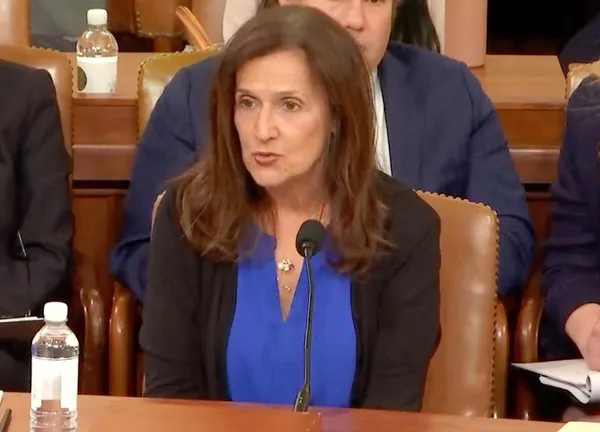
A Seattle psychotherapist's attempt to treat a sports injury in 2024 led to the uncovering of a broader fraud scheme targeting Medicare beneficiaries in California, according to testimony before Congress this week. Lynn Ianni described how her Medicare claim for physical therapy following a pickleball-related shoulder injury was unexpectedly denied, after records showed she had been enrolled in hospice care in Los Angeles County without her knowledge.
Ianni told the House Ways and Means Committee that scammers had used her Medicare identification number to falsely enroll her in hospice, an act that not only jeopardized her access to legitimate care but also forced her to keep paying premiums to maintain coverage. She traced the supposed hospice facility to a strip mall and contacted doctors listed on her records, discovering that a Santa Monica surgeon’s identity had also been stolen to authorize the fraudulent claims.
Despite providing clear evidence to federal regulators, Ianni said she was only advised to file an appeal—a process she learned could take a year or more. Ultimately, with the aid of an advocacy group, she received a new Medicare card and was able to resume medical treatment. She called her experience “evidence of systemic failure,” arguing that current oversight mechanisms leave vulnerable patients without timely recourse or protection.
The congressional hearing highlighted ongoing concerns about widespread hospice fraud in California, first brought to light by investigative reporting in late 2020. In response, California imposed a moratorium on new hospice licenses and developed emergency regulations, yet experts testified these reforms remain unenacted and that fraudulent practices persist across the industry.
Federal officials have ramped up enforcement, with a task force suspending payments to 450 Los Angeles-area hospices this year. Industry leaders cautioned that fraudulent practices extend beyond California, undermining trust in Medicare and threatening patient welfare nationwide. They called for stronger and earlier intervention by the Centers for Medicare and Medicaid Services to prevent abuse before patients are harmed.
As cases like Ianni’s reveal, investigations into hospice fraud are ongoing, with regulators and lawmakers under pressure to enact stricter oversight and deliver timely relief to those affected.
📰 Related Stories
- LA Metro Board Greenlights $413 Million Vermont Transit Corridor as D Line Subway Prepares for 2027 Station Debuts Los Angeles • Sep 30, 2026
- LAX Automated People Mover Achieves 99.6% Construction Completion as Elevated Electric Train System Enters Final 30-Day Testing Ahead of Early 2027 Launch Los Angeles • Sep 30, 2026
- Los Angeles City Council Approves $466.6 Million Measure ULA Housing Package as Metro Orders 220 Electric Buses Los Angeles • Sep 30, 2026
- San Jose Advances VTA HQ Relocation to Unlock 1,000 Transit Homes as City Council Refines Urban Village Density San Jose • Sep 30, 2026