How Jeffrey Epstein Escaped Justice in New Mexico: Silence, Plea Deals, and a Sex Offender Registry Loophole
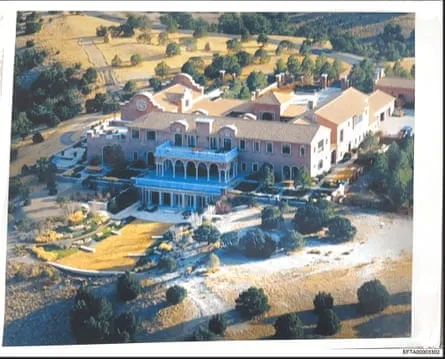
For years, Jeffrey Epstein's victims stayed silent — not by choice, but by design. According to accounts from multiple women, Epstein wielded money and threats as instruments of control, warning that those who spoke out would face financial ruin, reputational damage, or physical harm.
Eventually, some victims did come forward. In 2006, Virginia Farmer spoke to an FBI agent in Florida about a trip she had taken to Epstein's Zorro Ranch in New Mexico with Epstein and his associate Ghislaine Maxwell a decade earlier. The agent filed a formal report. The FBI expanded its probe, developing 'witnesses and victims from across the United States,' including at least one interview with a person connected to Epstein in New Mexico in early 2007.
Despite this groundwork, the New Mexico investigation collapsed before it ever reached a courtroom. After two years of negotiations, then-U.S. Attorney for the Southern District of Florida Alex Acosta agreed in 2008 to allow Epstein to plead guilty to state charges — effectively shutting down any federal case. A Justice Department watchdog later condemned the agreement as reflecting 'poor judgment.' Acosta has maintained that prosecutors feared a conviction would be difficult to secure at trial. With that plea deal, the investigation into possible crimes at Zorro Ranch came to an abrupt end.
The consequences of that deal reverberated far beyond Florida. When Epstein completed his jail term in 2009 and was required under the agreement to register as a sex offender in the states where he resided, New Mexico authorities initially notified him he would need to register with the local sheriff. But after a detective visited Epstein at his ranch, the state reversed course entirely.
Because Epstein had pleaded guilty in Florida to misconduct involving a victim over the age of 16 — and 16 is the age of consent in New Mexico — state authorities determined he had not committed a qualifying child sex offense. As a result, his name was never placed on a public sex offender registry, and he faced no requirement to check in with local police. Critically, a separate report filed with Palm Beach police by the mother of a 14-year-old victim was never incorporated into the plea agreement, rendering it irrelevant for New Mexico registration purposes.
A subsequent Justice Department review found that Epstein's legal team had 'thoroughly researched' how the plea deal would affect sex offender registration requirements across multiple states, while federal prosecutors 'failed to anticipate' that Epstein would slip through the registry system in New Mexico entirely.
Free from oversight, Epstein continued to host scientists, celebrities, and technology executives at Zorro Ranch. He also continued to bring victims. A woman identified in court filings as Priscilla Doe alleged in a lawsuit that Epstein trafficked her to New Mexico repeatedly between 2007 and 2010, coercing her into sexual acts with him and his associates through a calculated combination of wealth and intimidation. Doe described meeting Epstein in New York as a struggling aspiring ballet dancer in her early 20s who needed money to cover her mother's rent. According to her suit, Epstein told her repeatedly 'that her opportunities were endless as long as she complied with his dictates but that he could take it all away from her if she did not.'
Even Epstein's lease of New Mexico state land went unchallenged for decades. State officials, who hold broad discretion over public land leases, renewed Epstein's lease of approximately 1,200 acres without objection — despite the fact that his stated purpose of cattle grazing was later characterized as dubious by state authorities themselves. The renewals continued even as Epstein's criminal history became a matter of public record, raising further questions about the level of scrutiny applied to one of the state's most controversial landowners.
📰 Related Stories
- New Mexico AG Demands Return of 15-Year-Old Citizen from Mexico After Foster Care Incident Santa Fe • Jul 31, 2026
- Former New Mexico Legislator Convicted in $3 Million School Fraud Scheme Albuquerque • Aug 15, 2026
- Holloman Air Force Base shooting leaves one dead and one wounded near Alamogordo Alamogordo • Mar 18, 2026
- Jacksonville Council Passes $2 Billion Budget Restoring $4.9M Housing Trust Fund as JTA Restructures Transit Debt Jacksonville • Sep 30, 2026