Texas Schedules First U.S. Execution of the Year for Charles Victor Thompson
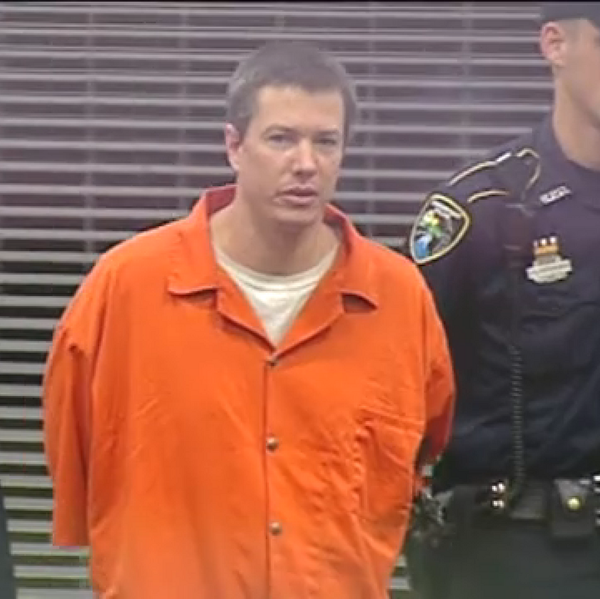
Texas schedules execution for death row inmate
Charles Victor Thompson, 55, was scheduled to be executed by lethal injection on Wednesday evening at the state penitentiary in Huntsville, Texas. He was sentenced to death for the April 1998 shooting deaths of his ex-girlfriend, Glenda Dennise Hayslip, 39, and her boyfriend, Darren Keith Cain, 30, at Hayslip’s apartment in the Houston suburb of Tomball.
Details of the 1998 Tomball shootings
Court records state that Hayslip and Cain were dating when Thompson went to Hayslip’s apartment at around 3 a.m. on the night of the killings. Thompson argued with Cain, and police were called to the scene. Officers told Thompson to leave the apartment complex. According to the records, Thompson returned approximately three hours later and shot both Hayslip and Cain. Cain died at the scene. Hayslip died in the hospital a week later.
Legal proceedings and sentencing history
Thompson was condemned to death for the killings of Hayslip and Cain. His death sentence was later overturned, and a new punishment trial took place in November 2005. At the conclusion of that trial, a jury again sentenced Thompson to death by lethal injection.
In court filings, prosecutors with the Harris County district attorney’s office stated that the Hayslip and Cain families had waited more than 25 years for the case to reach this stage. Prosecutors argued that a jury had already rejected challenges to Thompson’s responsibility for Hayslip’s death and concluded under state law that her death would not have occurred but for his actions.
Appeals and clemency requests
Thompson’s attorneys petitioned the United States Supreme Court to stay the execution. In their filings, they argued that Thompson was not allowed to refute or confront prosecution evidence asserting that Hayslip died from a gunshot wound to the face. The attorneys contended instead that Hayslip died due to flawed medical care she received after the shooting, which they said caused severe brain damage from oxygen deprivation following a failed intubation. They argued that, if Thompson had been able to raise reasonable doubt about the cause of her death, he would not be guilty of capital murder.
The Texas Board of Pardons and Paroles denied Thompson’s request on Monday to commute his death sentence to a lesser penalty. Prosecutors maintained that Thompson remained legally responsible for Hayslip’s death under state law despite the medical treatment questions raised by the defense.
Related civil case involving medical treatment
Members of Hayslip’s family filed a lawsuit against one of her doctors, alleging that medical negligence during her treatment rendered her brain-dead. In 2002, a jury ruled in favor of the doctor in that civil case.
Escape from custody and recapture
Shortly after Thompson was resentenced to death in November 2005, he escaped from the Harris County jail in Houston. He left custody by walking out of the jail’s front door. Thompson later stated that, after meeting his attorney in a small interview cell, he slipped out of his handcuffs and his orange jail jumpsuit and exited the unlocked room. He then used an identification badge fashioned from his prison ID card to pass several deputies.
Thompson remained on the run for three days. He was arrested in Shreveport, Louisiana, while he was attempting to arrange wire transfers of money from overseas, which he intended to use to travel to Canada.
Status as first U.S. execution of the year
If carried out as scheduled, the execution of Charles Victor Thompson in Huntsville, Texas, would be the first execution conducted in the United States this year.
📰 Related Stories
- Texas Man Faces Execution for 2013 Double Stabbing of Girlfriend and Her Young Son Huntsville • Mar 11, 2026
- Dallas City Council Passes $5.66 Billion Budget Cutting Tax Rate for 11th Year as DART Approves $1.4B Transit Plan Dallas • Sep 30, 2026
- San Antonio Enacts $4.4 Billion FY 2027 Budget Expanding Housing to $37.7 Million as VIA Green Line Rapid Transit Progresses San Antonio • Sep 30, 2026
- Mayor Cherelle Parker Launches Housing Dashboard Reaching 16,394 Homes as SEPTA Protects Regional Rail Operations Philadelphia • Sep 30, 2026