New York City Council Passes Landmark Ban on Surveillance Pricing as Brooklyn Collapse Recovery Continues
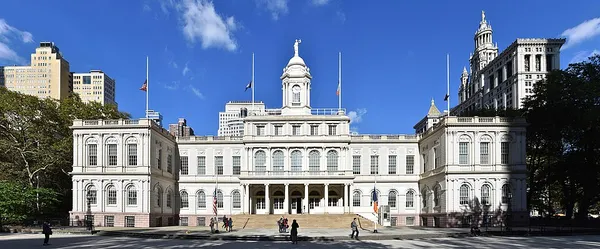
City Council Prohibits Algorithmic Surveillance Pricing Across New York Retailers
NEW YORK, New York — In a groundbreaking consumer-protection victory, the New York City Council voted decisively on Thursday, November 12, 2026, to enact comprehensive legislation banning "surveillance pricing" within city borders. Spearheaded by Council Speaker Julie Menin, the ordinance prohibits commercial retailers, grocery delivery services, and digital merchants from deploying personal browsing data, device fingerprints, or predictive algorithms to charge different shoppers varying prices for identical consumer goods and essential services.
The Council also enacted an accompanying legislative package honoring military veterans, establishing complete municipal property tax exemptions on primary residences owned by permanently and totally disabled service veterans.
Search Operations Conclude Following Deadly Flatbush Building Collapse in Brooklyn
In Brooklyn, the Fire Department of New York (FDNY) and emergency management personnel formally concluded active search-and-rescue efforts at the site of a tragic three-story residential building collapse on Flatbush Avenue. City officials confirmed that the disaster claimed eight lives, including two children and two construction laborers working on an adjacent excavation site, while eighteen survivors received medical treatment at local hospitals. The Department of Buildings and city prosecutors have impounded structural records and launched a thorough investigation into excavation compliance and pre-existing structural complaints.
Legislation Introduced to Mandate Dedicated Rest Areas for App-Based Delivery Couriers
Addressing workforce protections on Friday, November 13, Council Member Harvey Epstein introduced a bill requiring major third-party food and freight delivery apps to construct and maintain physical respite hubs for their contracted delivery couriers. The measure mandates that operators supply clean restrooms, weather-sheltered seating, and safe e-bike battery recharging stations rather than allowing drivers to rely on public sidewalks and overburdened small businesses.
📰 Related Stories
- Death Toll Reaches 8 in Brooklyn Building Collapse as NYC Council Approves First-in-Nation Surveillance Pricing Ban New York City • Nov 13, 2026
- Search and Rescue Operations Respond to Tragic Brooklyn Building Collapse as NYC Marks 107th Veterans Day Parade New York City • Nov 12, 2026
- New York City Voters Approve Five Efficiency Ballot Proposals as Mayor Mamdani Outlines Progressive Economic Roadmap New York City • Nov 05, 2026
- Dallas City Council Amends Recycling Contract to Keep McCommas Bluff Running as Texas A&M Expands Urban Agriculture Dallas • Nov 13, 2026