Homeland Security Mobilizes Following Data Breach of 40,000 Federal Personnel Records as Pentagon Refers Leak Case to Justice
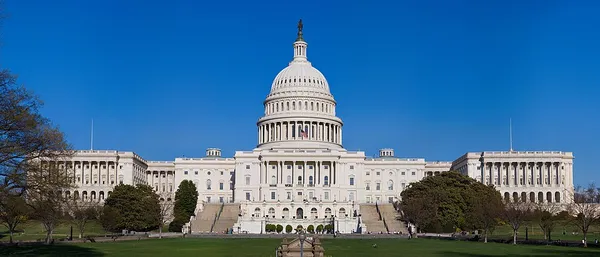
Homeland Security and Cybersecurity Agencies Respond to Massive Leak of 40,000 Personnel Records
WASHINGTON, District of Columbia — Federal cybersecurity and national security agencies initiated an urgent defensive response on October 29–30, 2026, after a hacktivist entity operating under the moniker 'Department of Peace' published a searchable database exposing personal information of more than 40,000 Department of Homeland Security (DHS) personnel. The leaked dataset included full names, field office assignments, email addresses, and duty phone numbers for sworn agents across Immigration and Customs Enforcement (ICE) and Customs and Border Protection (CBP).
DHS cybersecurity commanders and private threat intelligence contractors coordinated international takedown notices to remove illicit database mirrors, while federal law enforcement agencies mobilized personal security protection protocols for affected frontline personnel and their families.
Pentagon Refers Dismissed Army Strategist Lt. Gen. Brett Sylvia to DOJ in Classified Leak Probe
In high-level defense legal developments, Defense Secretary Pete Hegseth took the extraordinary step of removing Lt. Gen. Brett Sylvia, Director for Strategy, Plans, and Policy on the Joint Staff, from active duty over allegations involving unauthorized disclosures of classified defense planning. The Department of Defense formally referred the matter to the Department of Justice (DOJ) for criminal investigation.
The high-profile shakeup arrives as congressional defense committees remain locked in intense fiscal deliberations over the administration's proposed $1.5 trillion military budget authorization heading into next week's national elections.
HHS and FDA Propose Historic Overhaul of Infant Formula Nutrient Standards Under Operation Stork Speed
In public health policy, the U.S. Department of Health and Human Services (HHS) and the Food and Drug Administration (FDA) proposed the first comprehensive nutrient overhaul for infant formula in nearly thirty years. Released under the federal 'Make America Healthy Again' initiative, the proposed rulemaking mandates elevated minimum concentrations for critical brain-development nutrients including choline, DHA, and essential fatty acids, while strictly limiting synthetic additives.
Simultaneously, the U.S. Department of Agriculture (USDA) announced an authorization to purchase up to $472.5 million in domestic agricultural commodities—including dairy, poultry, and fresh produce—to stabilize farm supply chains and replenish nationwide emergency food assistance banks.
📰 Related Stories
- White House Marks $14 Million Lincoln Memorial Pool Renovation on Election Eve as DC Water Completes Georgetown Upgrades Washington • Nov 03, 2026
- District of Columbia and Virginia Sue to Block 250-Foot Triumphal Arch Monument Near Arlington Cemetery as Midterm Sprint Peaks Washington • Nov 01, 2026
- Justice Department Appeals Injunction on East Potomac Golf Course Renovation as Waymo Expands Virginia Testing Washington • Oct 28, 2026
- San Jose Police Arrest Nine Suspects in Smash-and-Grab Commercial Theft Ring as Silicon Valley Weighs Historic Proposition 40 San Jose • Nov 03, 2026