Sun Protection After Mole Removal: Why It Matters
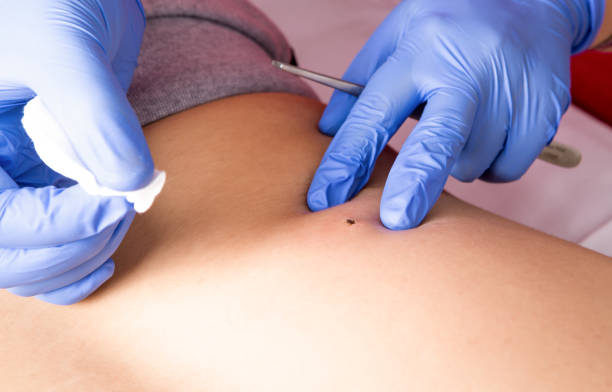
Mole removal is a common skin procedure that can help improve skin appearance or address a mole that requires medical evaluation. However, proper aftercare is essential for supporting healing and achieving the best possible cosmetic results. One of the most important parts of recovery is protecting the treated area from sunlight. After a mole is removed, the skin becomes more sensitive, making it vulnerable to irritation, discoloration, and noticeable scarring if it is not cared for properly.
For individuals considering Mole Removal in Riyadh, understanding sun protection is particularly important because the region experiences intense sunshine and high temperatures throughout much of the year. Proper aftercare following treatment, including skin lesion removal in riyadh, can help protect the healing skin, reduce the risk of dark spots, and support a smoother-looking result. By following appropriate precautions and professional aftercare instructions, patients can take important steps toward healthier skin recovery.
Why Is Sun Protection Important After Mole Removal?
After mole removal, the skin needs time to repair itself. Depending on the removal method, the treated area may develop a small wound, scab, or delicate scar. During this healing period, ultraviolet (UV) radiation from the sun can irritate the skin and affect how the area looks as it recovers.
Sun exposure can also stimulate melanin production, potentially causing post-inflammatory hyperpigmentation. This means the treated area may become darker than the surrounding skin. Such discoloration can be more noticeable in people who naturally have darker skin tones.
Protecting the treated area from direct sunlight helps minimize these risks and supports a more even skin appearance. However, sun protection does not guarantee that scarring or pigmentation will be completely prevented.
How Long Should You Protect Your Skin After Mole Removal?
Sun protection should begin immediately after the procedure and continue throughout the healing process. The exact duration depends on the removal technique, wound size, skin type, and individual healing progress.
During the Initial Healing Stage
During the first several days, follow the clinic's instructions for cleaning and dressing the treated area. If the skin is still open or has not fully healed, prioritize physical protection, such as a suitable dressing, rather than applying sunscreen directly to the wound.
Avoid picking at scabs, scratching the area, or exposing it unnecessarily to direct sunlight. These actions can interfere with healing and may increase the likelihood of scarring.
After the Skin Has Healed
Once the surface has completely healed, apply a broad-spectrum sunscreen with SPF 30 or higher to the treated area when it is exposed to daylight. SPF 50 may be a practical choice during prolonged outdoor exposure in Riyadh.
Reapply sunscreen approximately every two hours while outdoors and after swimming or excessive sweating, following the product instructions. Continue protecting the area for several months, particularly if a visible scar or discoloration remains.
Practical Ways to Protect Your Skin From the Sun
Choose the Right Sunscreen
Select a broad-spectrum sunscreen that protects against both UVA and UVB rays. A gentle, fragrance-free formulation may be more comfortable for sensitive skin. Apply it generously to fully healed skin and avoid getting it into an open wound.
Wear Protective Clothing
Wide-brimmed hats, breathable clothing, and other sun-protective accessories can reduce direct UV exposure. If the treated mole was on the face, neck, or another exposed area, physical protection can be especially helpful.
Avoid Peak Sunlight When Possible
Try to limit unnecessary outdoor exposure during the strongest sunlight hours. Seek shade whenever possible, but remember that shade alone does not eliminate UV exposure. Reflected sunlight can still reach your skin.
Follow Professional Aftercare Advice
Different mole removal techniques require different aftercare routines. Your skincare professional can explain when to begin using sunscreen, how to clean the area, and which products are appropriate for your skin.
Common Mistakes to Avoid After Mole Removal
One common mistake is assuming that a small treated area does not need sun protection. Even a tiny wound can develop noticeable pigmentation or a scar during healing. Another mistake is applying sunscreen before the wound has closed, which may irritate the area or interfere with the recommended wound-care routine.
Avoid harsh exfoliants, strong acids, retinoids, and irritating skincare products on the healing site unless your healthcare professional advises otherwise. Do not remove scabs prematurely, as this can delay healing and affect the final appearance.
If you notice increasing redness, worsening pain, warmth, swelling, pus, or persistent bleeding, contact your healthcare provider. These symptoms may indicate a complication that needs assessment.
Frequently Asked Questions
Can I go outside after mole removal?
Yes, but protect the treated area from direct sunlight. Follow your aftercare instructions, keep any open wound appropriately covered, and use sunscreen once the skin has completely healed.
Can sunlight cause a dark spot after mole removal?
Yes. UV exposure can contribute to post-inflammatory hyperpigmentation, making the treated area darker than the surrounding skin. Consistent sun protection can help reduce this risk.
When can I apply sunscreen after mole removal?
Apply sunscreen once the wound has fully closed and the skin surface has healed, unless your healthcare professional gives different instructions. Use a dressing to protect an open wound instead.
Is SPF 50 better after mole removal?
SPF 50 provides a higher level of UVB protection than SPF 30 when applied correctly. Both can be suitable, but broad-spectrum coverage, adequate application, and regular reapplication are essential.
Will sun protection prevent scarring completely?
No. Sun protection can help reduce discoloration and support a better cosmetic outcome, but the final appearance also depends on the removal technique, wound care, skin type, and individual healing.
Book Your Mole Removal Consultation at Enfield Royal Clinic
Protecting your skin after mole removal is an essential part of responsible skincare. With suitable aftercare, consistent sun protection, and professional guidance, you can help your skin heal while reducing the risk of unwanted pigmentation. Enfield Royal Clinic can help you understand mole removal options and the appropriate aftercare for your skin. Arrange a consultation to discuss your concerns and receive personalized guidance for safe treatment and recovery.
📰 Related Stories
- How Sculptra and Radiesse Differ in Texture and Technique Riyadh • Oct 22, 2026
- Understanding Different Types of Stem Cell Therapy Riyadh • Oct 20, 2026
- A Patient’s Guide to the 8 Point Facelift with Juvederm Riyadh • Oct 20, 2026
- How Rhinoplasty Can Improve Facial Proportions Riyadh • Oct 19, 2026