How to Choose a Qualified Liposuction Surgeon
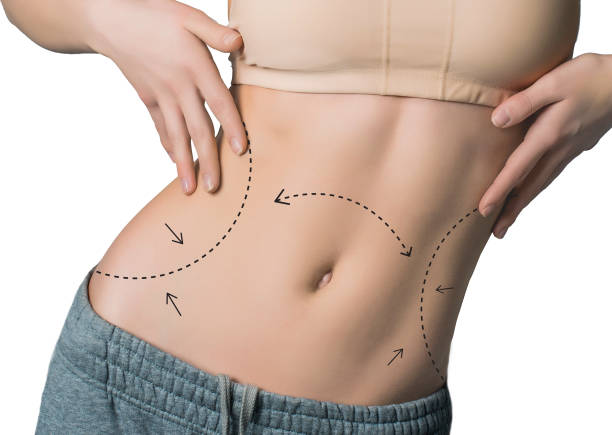
Choosing the right surgeon is one of the most important steps when considering cosmetic body-contouring surgery. Liposuction requires careful planning, an understanding of body anatomy, and appropriate surgical skills to achieve balanced results while managing potential risks. For individuals researching liposuction riyadh prices, knowing how to evaluate a surgeon's qualifications, experience, safety standards, and communication style can help them make a more informed decision.
Check the Surgeon's Qualifications and Credentials
Before choosing a liposuction surgeon, verify that they have appropriate specialist training and authorization to perform the procedure. Cosmetic surgery involves medical risks, so professional qualifications should be a priority rather than relying solely on advertisements or online popularity.
Confirm Specialist Training
Look for a surgeon with recognized specialist qualifications in plastic surgery and relevant experience performing liposuction. You can ask about their training, professional registration, and any additional qualifications related to body-contouring procedures.
Patients considering treatment in Riyadh should verify the surgeon's credentials through the relevant Saudi health authorities or professional registration channels. A qualified professional should be willing to explain their training and scope of practice clearly.
Verify the Surgical Facility
The location where surgery takes place is also important. Ask whether the procedure will be performed in an appropriately licensed facility with suitable operating-room standards, anesthesia support, and arrangements for managing emergencies.
A responsible surgical team should explain the safety measures in place and how patients are monitored before, during, and after the procedure.
Evaluate Experience With Liposuction Procedures
A surgeon's experience can help you understand whether they are familiar with the technique and treatment area relevant to your goals. However, experience alone does not guarantee a particular result, so it should be considered alongside qualifications, safety practices, and communication.
Ask About Relevant Experience
Ask how frequently the surgeon performs liposuction and whether they have experience treating areas similar to yours, such as the abdomen, waist, thighs, arms, back, or chin.
Different body areas require different considerations. For example, abdominal contouring may involve different planning decisions from treatment beneath the chin. The surgeon should explain how your anatomy influences the recommended approach.
Review Before-and-After Photographs
Before-and-after photographs may help you understand a surgeon's typical results. If photographs are available, ask whether they represent the surgeon's own patients and whether the images show comparable treatment areas and body characteristics.
Look for consistent, natural-looking contours rather than expecting identical results. Lighting, posture, camera angles, and swelling can influence how photographs appear, so images should not be treated as a guarantee of your outcome.
Understand the Recommended Liposuction Technique
Liposuction can be performed using traditional suction-assisted methods, power-assisted devices, or selected ultrasound- and laser-assisted techniques. No single approach is ideal for every patient.
Ask Why a Technique Is Suitable
A qualified surgeon should explain why a particular technique is appropriate for your body, treatment area, and goals. The recommendation should consider factors such as fat distribution, skin elasticity, medical history, and the amount of contouring required.
Patients exploring Liposuction in Riyadh should be cautious about claims that one device guarantees superior results, eliminates all risks, or produces dramatic skin tightening. The surgeon should discuss realistic benefits and limitations without making unrealistic promises.
Discuss Alternatives to Surgery
Liposuction is designed to remove localized fat, not to achieve major weight loss or correct every body-contouring concern. It does not reliably treat cellulite or substantial loose skin.
If your main concern is excess skin or abdominal muscle separation, ask whether another procedure or a different treatment plan may be more appropriate. A trustworthy surgeon should explain alternatives when liposuction alone is unlikely to meet your expectations.
Assess Communication During the Consultation
A consultation should give you enough information to make a considered decision without feeling pressured. The surgeon should listen to your concerns, review your medical history, and explain the procedure in understandable language.
Ask About Potential Risks
Liposuction may cause swelling, bruising, temporary numbness, infection, fluid accumulation, contour irregularities, and complications related to anesthesia. More serious complications are also possible.
Ask which risks are most relevant to your health and proposed procedure, how complications are managed, and when you should seek medical attention after surgery. A responsible surgeon will discuss risks openly rather than presenting the procedure as risk-free.
Discuss Expected Results and Recovery
Ask how long recovery may take, when you can return to work and exercise, whether compression garments are recommended, and how follow-up appointments are arranged.
Recovery varies according to the extent of surgery, treatment area, and individual healing. The surgeon should explain that swelling can take months to settle and that final contours may not be immediately visible.
Review Patient Feedback and Professional Reputation
Online reviews can offer insight into communication, appointment organization, and the overall patient experience. However, reviews should not be the only basis for selecting a surgeon.
Read a range of feedback, consider whether comments provide specific details, and look for a consistent pattern rather than focusing on a single review. Be cautious of testimonials that promise identical outcomes or make claims that sound too good to be true.
You can also ask about the practice's approach to follow-up care and how patients can contact the surgical team if they have concerns after the procedure.
Understand the Importance of Aftercare
Good surgical care continues after the operation. Before proceeding, confirm who will monitor your recovery, how follow-up visits are scheduled, and whom you should contact if symptoms develop.
Follow the instructions provided by your medical team regarding wound care, medications, compression garments, and activity restrictions. Chest pain or difficulty breathing after surgery requires emergency medical attention. Fever, increasing pain, spreading redness, or unusual drainage should be reported promptly.
Warning Signs to Watch For
Be cautious if a provider pressures you to book immediately, avoids discussing complications, cannot clearly explain their qualifications, or promises guaranteed results. Unclear information about anesthesia, the surgical facility, or follow-up arrangements is another reason to pause and ask more questions.
A qualified surgeon should encourage informed decision-making and give you time to consider your options.
Book an Appointment at Royal Clinic Saudia
Choosing a qualified surgeon begins with checking credentials, reviewing relevant experience, understanding surgical risks, and discussing realistic treatment goals. Royal Clinic Saudia can help you explore your body-contouring concerns and understand the factors involved in selecting an appropriate treatment approach. If you are considering Liposuction in Riyadh, arrange a consultation to discuss your medical suitability, available options, expected recovery, and questions about surgical safety before making your decision.
📰 Related Stories
- Understanding Different Types of Stem Cell Therapy Riyadh • Oct 20, 2026
- A Patient’s Guide to the 8 Point Facelift with Juvederm Riyadh • Oct 20, 2026
- Exploring the Science Behind Fractional CO2 Laser Treatment Riyadh • Oct 20, 2026
- How Rhinoplasty Can Improve Facial Proportions Riyadh • Oct 19, 2026