Mayor Bowser Requests $60M for Cedar Hill Medical Center as D.C. Council Confronts Multi-Year Revenue Challenges
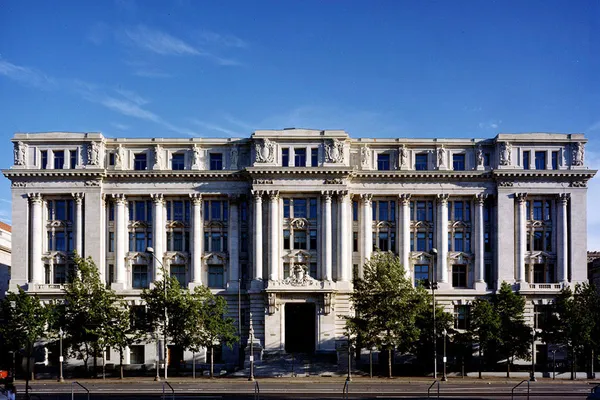
Mayor Bowser Submits $60 Million Emergency Hospital Funding Request
WASHINGTON, District of Columbia — In a significant executive budget action, Mayor Muriel Bowser formally transmitted a funding request to Council Chairman Phil Mendelson in mid-October 2026, urging the Council of the District of Columbia to authorize a $60 million stabilization package for Cedar Hill Regional Medical Center GW Health in Ward 8. The proposal would allocate $10 million annually over six consecutive fiscal years to ensure uninterrupted acute care, specialty clinics, and maternal-infant health services for residents east of the Anacostia River.
Hospital administrators and health officials noted that while Cedar Hill opened its state-of-the-art facility in April 2025, systemic factors—including high malpractice insurance costs, nationwide clinical staffing shortages, and low Medicaid reimbursement rates—generated operating deficits of $8.6 million in 2025 and an estimated $11.5 million in 2026. Bowser urged immediate council partnership to preserve equitable healthcare access.
D.C. Council Deliberates Revenue Options Facing $660M+ Deficit
Chairman Mendelson and the Committee of the Whole continued extensive public hearings regarding comprehensive revenue-generating measures as the District faces a projected budget deficit between $660 million and $837 million. Lawmakers are weighing a proposed business activity tax and tailored real estate conveyance adjustments, striving to protect foundational funding for early childhood education, emergency shelter operations, and public transit subsidies.
Meanwhile, Councilmember Janeese Lewis George and labor advocates called for a deliberate pause on proposed autonomous vehicle legislation that would expand driverless ride-hailing services like Waymo, arguing that lawmakers must first establish binding protections for local rideshare drivers and transit workers.
Environmental and Housing Priorities in Urban Policy
In related legislative business, council committees advanced discussions on a container deposit 'Bottle Bill' establishing a 10-cent deposit to reduce plastic pollution in the Anacostia River, while executive agencies continued rolling out 20-year tax abatements under the Housing in Downtown (HID) program to convert vacant commercial office buildings into residential communities.
📰 Related Stories
- Mayor Bowser and D.C. Council Advance RFK Waterfront Master Plan and Implement Strict Statutory Debt Safeguards Washington • Oct 24, 2026
- Mayor Bowser Transmits RFK Campus Master Plan to D.C. Council Featuring 6,500 Homes and Riverfront Parkland Washington • Oct 23, 2026
- D.C. Council Weighs Mayor Bowser's $550M Poplar Point Waterfront Plan as Stadium Climate Rules Spark Debate Washington • Oct 23, 2026
- Jacksonville City Council Passes Mayor Donna Deegan's $2.03B Budget with $586M Capital Improvement Plan Jacksonville • Oct 24, 2026