Austin City Council Mandates On-Site Affordable Housing Along Project Connect Light Rail Corridors
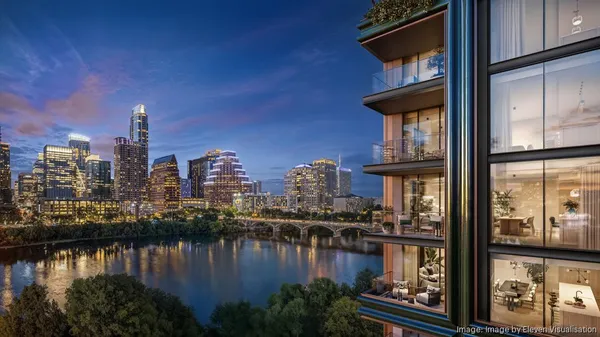
Austin City Council Adopts Mandatory On-Site Housing Near Light Rail Stations
AUSTIN, Texas — In a significant legislative shift aimed at ensuring equitable transit-oriented growth, the Austin City Council approved updated density bonus regulations in October 2026, officially eliminating the traditional fee-in-lieu payment option for residential developments situated within a half-mile of future Project Connect light rail stations. Under the revised framework, developers seeking height and floor-area bonuses must construct income-restricted affordable housing units directly on-site rather than submitting buyout payments into the municipal housing fund.
Municipal planners emphasized that maintaining physical affordability along high-capacity rapid transit lines is essential to prevent resident displacement across historically vulnerable neighborhoods in East Austin and along the South Congress corridor. The mandate directly integrates with the city’s Phase 1 light rail route, ensuring that transit workers, service industry professionals, and lower-income families maintain walkable access to rapid electric rail transit.
Proposition A Anti-Displacement Investments Reach $300 Million Benchmark
Simultaneously, the Austin Housing Department announced accelerated distribution schedules for the $300 million anti-displacement fund approved under voter-backed Proposition A. Over a 13-year programmatic investment horizon, the capital is directed toward acquiring strategic land parcels, repairing existing multifamily housing stock, and providing tenant protection grants within one mile of planned transit stops.
Housing directors underscored that pairing mandatory on-site inclusionary zoning with proactive land acquisitions creates a resilient barrier against neighborhood gentrification. Community organizations and neighborhood coalitions praised the synchronized policy, highlighting that housing security and public transit accessibility are indivisible components of sustainable metropolitan growth.
Capital Metro Ramps Up Multimodal Feeder Network Design
In complementary transit planning, CapMetro engineers initiated public feedback sessions for expanded micro-transit zones and electrified feeder bus connections connecting suburban neighborhoods to upcoming light rail stations. City Council committees will receive quarterly oversight updates to monitor residential permitting trends and ensure private development along rail corridors remains balanced, timely, and compliant with municipal affordability targets.
📰 Related Stories
- Austin City Council Approves $33M for Elm Ridge Housing Bonds and Adds $10M to G.O. Repair Program Austin • Oct 19, 2026
- Austin City Council Reviews Historic Lions Municipal Golf Course Agreement as Leaders Oppose Prop I Efficiency Audits Austin • Oct 18, 2026
- Austin Transit Partnership Finalizes Key Contracts for Phase 1 Light Rail as City Council Streamlines Permitting and Housing Overlays Austin • Oct 18, 2026
- Mayor John Whitmire and Houston City Council Maintain Stable Property Tax Rate While Tightening Fiscal Oversight Houston • Oct 19, 2026