Caltrain Debuts Historic $2.4 Billion 100% Electrified Passenger Fleet Transforming San Francisco–Silicon Valley Transit
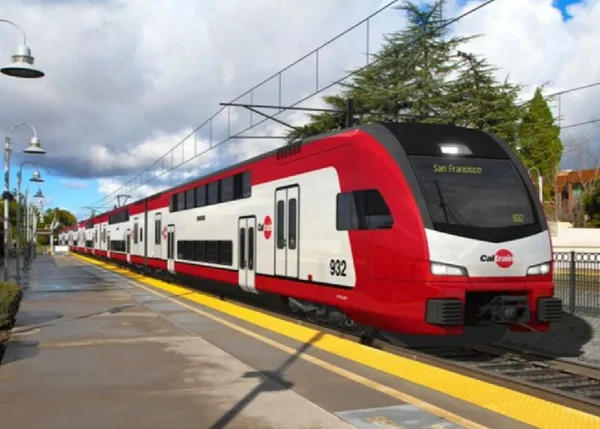
Historic Transformation Replaces 160-Year Legacy Diesel Rail
SAN FRANCISCO, California — Marking the most consequential modernization in the history of Northern California transit, Caltrain and regional transportation officials have officially launched 100 percent commercial passenger operations with its brand-new fleet of high-performance Electric Multiple Units (EMUs). The milestone concludes the landmark $2.4 billion Caltrain Electrification Project, which successfully upgraded 51 miles of active railway corridor stretching from San Francisco’s 4th and King Station down through Silicon Valley to San Jose Diridon Station.
Supported by a robust coalition of federal transportation grants, California High-Speed Rail Authority investments, and regional local sales taxes, the massive infrastructure initiative completely retires the commuter agency's decades-old diesel locomotives. By transitioning from heavy diesel engines to clean overhead electric catenary wire powered by 25 kV AC energy, the Peninsula corridor establishes the first major historic diesel-to-electric passenger railway conversion in modern North American history.
Next-Generation Stadler High-Performance Electric Trainsets
The newly unveiled electric fleet introduces 23 seven-car bi-level trainsets manufactured in the United States by Stadler Rail, delivering an unprecedented leap in passenger comfort and modern amenities:
- Expedited Acceleration and Dynamic Braking: Modern traction motors enable rapid acceleration and regenerative braking, shaving substantial dwell and run times between stops.
- Enhanced Passenger Amenities: Every passenger seat is equipped with individual AC power outlets and USB ports, accompanied by complimentary onboard high-speed digital Wi-Fi.
- Digital Seat Availability Displays: Integrated real-time digital passenger totems display carriage occupancy and seat availability before travelers board.
- Multimodal Cycling Capacity: Each electric train features dedicated bicycle storage carriages equipped with secure racks, accommodating up to 72 bicycles per train.
- Full Step-Free ADA Accessibility: Automated level-boarding mechanisms and enlarged accessible restroom facilities ensure barrier-free transit for travelers with disabilities.
Accelerated Express Service and Increased Weekday Frequencies
The high-performance electric trainsets allow Caltrain to operate a completely reimagined schedule. Commuters traveling aboard peak-hour express services between San Francisco and San Jose now enjoy travel times of under 59 minutes—slashing up to 25 minutes compared to legacy diesel timetables. Midday and weekend frequencies have expanded dramatically, offering 20 percent more overall train trips and consistent 30-minute intervals throughout off-peak hours.
Station stops in major technological hubs including South San Francisco, Millbrae, Palo Alto, and Mountain View are experiencing seamless connections with Bay Area Rapid Transit (BART) and Silicon Valley bus routes, driving strong ridership recovery across key employment centers.
Significant Decarbonization and Foundation for High-Speed Rail
Executive Director Michelle Bouchard emphasized that the full launch of the electric fleet serves as a keystone achievement for California's regional climate targets. Operating on 100 percent carbon-free renewable electricity, the new system eliminates 260,000 metric tons of greenhouse gas emissions annually—the equivalent of removing over 55,000 passenger vehicles from Highway 101 each day—while slashing localized diesel particulate emissions by 97 percent.
Furthermore, the upgraded signaling systems, positive train control (PTC), and dual-voltage catenary lines directly lay the physical corridor infrastructure necessary for future shared passenger operations with the California High-Speed Rail network, cementing the Peninsula corridor as a premier global transit corridor for generations to come.
📰 Related Stories
- San Francisco Board of Supervisors Enacts Housing Reforms as Voters Weigh Measure H for Muni Transit San Francisco • Oct 18, 2026
- Mayor Daniel Lurie Signs 45-Day Data Center Moratorium Approved 11-0 by Board of Supervisors to Study AI Power Demands San Francisco • Oct 18, 2026
- Mayor Daniel Lurie and Board of Supervisors Rally for Proposition C Housing Trust Fund on November General Ballot San Francisco • Oct 18, 2026
- San Francisco Board of Supervisors Enacts 45-Day Data Center Moratorium Over Power Grid and Environmental Justice Concerns San Francisco • Oct 13, 2026