Mayor Muriel Bowser Advances New Ward Housing Goals as WMATA Fast-Tracks Joint Developments at Deanwood and Capitol Heights
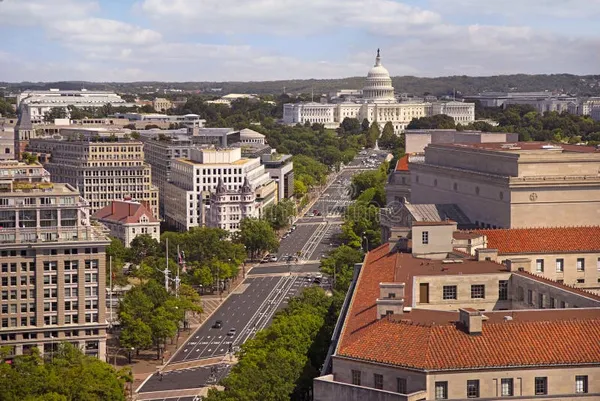
Executive Leadership Establishes New Ward Housing Targets Following 36,000-Unit Benchmark
WASHINGTON, District of Columbia — Building on the District of Columbia’s achievement of delivering more than 36,000 net new residential dwellings ahead of original municipal benchmarks, Mayor Muriel Bowser and the Office of the Deputy Mayor for Planning and Economic Development (DMPED) introduced refreshed, ward-specific residential production targets in October 2026. The policy blueprint directs intensified municipal resources toward high-opportunity, high-cost neighborhoods in Ward 3 while leveraging the Housing Production Trust Fund (HPTF) to finance permanently affordable workforce developments across Ward 7 and Ward 8.
Mayor Bowser emphasized that sustaining balanced residential construction across all eight wards protects long-term socioeconomic diversity, providing accessible family-sized housing for District educators, public safety personnel, and hospitality professionals near federal job hubs.
WMATA Board Advances Transit-Oriented Joint Development Parcels
Concurrently, the Washington Metropolitan Area Transit Authority (WMATA) Board of Directors ratified critical development agreements advancing its 10-Year Joint Development Strategic Plan. Key transactions advance transit-oriented, mixed-use residential complexes at the Deanwood and Capitol Heights Metro stations, transforming expansive commuter park-and-ride surfaces into vibrant community centers.
The approved developments incorporate hundreds of affordable housing units, ground-floor full-service grocers, public healthcare clinics, and protected multimodal connections directly connecting residents to Metrorail lines without requiring private vehicle ownership.
D.C. Council Evaluates Commercial Conversions and Multimodal Street Safety
At the John A. Wilson Building, the Council of the District of Columbia held legislative hearings assessing downtown revitalizations and office-to-residential conversions. Lawmakers reviewed statutory incentives designed to compress architectural review timelines for repurposing underutilized commercial buildings into multi-family apartments, while the District Department of Transportation (DDOT) optimized dedicated electric bus corridors along H Street and Benning Road.
Urban policy leaders lauded the synchronized strategy uniting heavy rail hubs with attainable housing, noting that compact urban growth strengthens municipal fiscal resilience and curbs carbon emissions.
📰 Related Stories
- White House Marks $14 Million Lincoln Memorial Pool Renovation on Election Eve as DC Water Completes Georgetown Upgrades Washington • Nov 03, 2026
- Mayor Bowser and D.C. Council Advance RFK Waterfront Master Plan and Implement Strict Statutory Debt Safeguards Washington • Oct 24, 2026
- Mayor Bowser Transmits RFK Campus Master Plan to D.C. Council Featuring 6,500 Homes and Riverfront Parkland Washington • Oct 23, 2026
- San Jose Police Arrest Nine Suspects in Smash-and-Grab Commercial Theft Ring as Silicon Valley Weighs Historic Proposition 40 San Jose • Nov 03, 2026