CATS Expands High-Frequency Bus Network as Charlotte Advances Engineering on 25-Mile LYNX Red Line
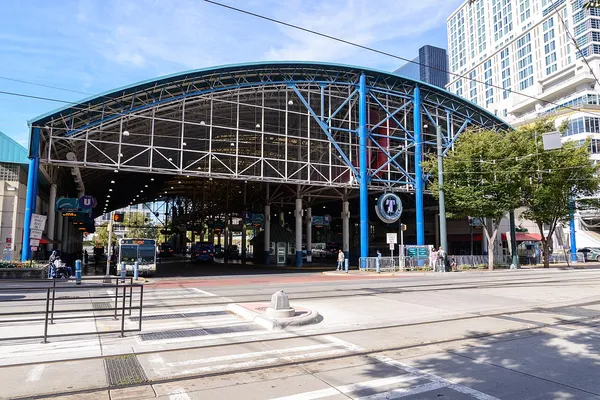
CATS Enacts Comprehensive October Service Upgrades Across Core Transit Routes
CHARLOTTE, North Carolina — Responding to surging commuter demand across Mecklenburg County, the Charlotte Area Transit System (CATS) instituted major service enhancements effective October 5, 2026. Transit planners significantly expanded operating frequencies on high-ridership trunk corridors, including the Route 5 Sprinter linking Uptown Charlotte directly to Charlotte Douglas International Airport (CLT) and Route 9 along Central Avenue.
The transit expansion introduces the new Route 177 North Meck Connector and widens the service boundary of the on-demand CATS Micro shuttle network into underserved transit equity zones throughout West Charlotte and North Mecklenburg, providing first- and last-mile connections to employment hubs and shopping centers for a flat local fare.
City Council Advances 30% Engineering Design on 25-Mile LYNX Red Line Corridor
In regional passenger rail development, the Charlotte City Council and regional transit partners confirmed steady engineering progress along the transformative LYNX Red Line Commuter Rail. Supported by an authorized $37.9 million pre-development allocation, civil design teams remain on track to reach 30 percent design completion by late 2027 along the 25-mile former Norfolk Southern O-Line rail right-of-way.
The project will deliver rapid commuter rail connecting Charlotte Gateway Station in Uptown through Huntersville, Cornelius, and Davidson to Mount Mourne in southern Iredell County, linking suburban workforce centers to the Queen City's financial core.
Fare Ambassador Pilot and $125M Affordable Housing Bond Energize City Corridors
To enhance rider safety and modernize fare collection across the LYNX Blue Line and CityLYNX Gold Line streetcars, CATS deployed dedicated Transit Fare Ambassadors equipped with handheld electronic validators to assist riders with fare capping and contactless payment. Simultaneously, City Council advanced the municipal Corridors of Opportunity program, deploying proceeds from Charlotte’s $125 million housing bond to develop mixed-income townhomes and commercial workforce hubs along historic West Trade and Beatties Ford Road.
📰 Related Stories
- Charlotte Unveils 'Skilled to Build' Transit Workforce Program as Food Lion Opens Mintworth Supermarket Charlotte • Oct 05, 2026
- Charlotte City Council Enacts 10-Month Youth Curfew Pilot Program to Bolster Uptown Public Safety Charlotte • Oct 05, 2026
- Charlotte City Council Advances $37.9M Red Line Rail Design as Housing Committee Reviews Trust Allocations Charlotte • Oct 05, 2026
- CATS Launches 15-Minute Airport Sprinter Under 'Better Bus' as Charlotte Reviews $125M Housing Bonds Charlotte • Oct 04, 2026