Dallas Approves DART Transit-Oriented Development Accord as Downtown Vision Targets 10-Year Housing Surge
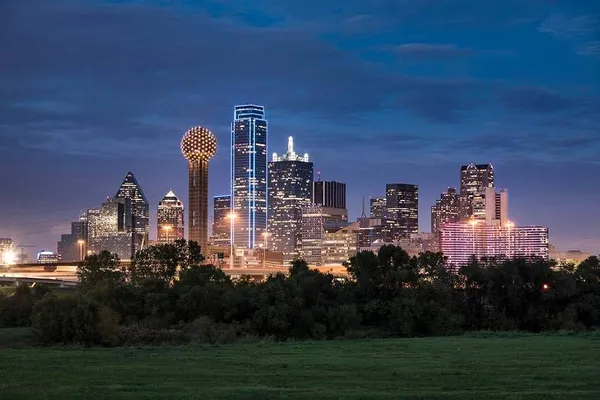
Dallas City Council Approves Landmark Transit-Oriented Development Agreement with DART
DALLAS, Texas — Transforming land use surrounding regional rail corridors, the Dallas City Council officially approved a comprehensive partnership agreement with Dallas Area Rapid Transit (DART) in October 2026 to catalyze transit-oriented development (TOD) across municipal station areas. The accord establishes a formal collaborative framework enabling the City and DART to pool public economic incentives, surplus rail authority parcels, and private equity to construct dense, mixed-use workforce housing communities directly adjacent to DART light rail stations.
City leaders emphasized that linking transit investments directly with housing density expands ridership, reduces household commuting expenses, and fosters vibrant pedestrian corridors connecting major employment districts in southern and western Dallas.
Downtown Dallas Inc. Unveils Vision to Double Downtown Residential Community
The city's transit agreement aligns with an ambitious 10-year strategic plan unveiled by Downtown Dallas Inc. (DDI) at its annual civic address. The framework details aggressive initiatives to double downtown's residential population over the coming decade by accelerating commercial-to-residential office tower conversions, expanding green space along Pacific Avenue, and revitalizing the central DART transit mall along Pacific and Bryan streets into a modern, retail-lined transit concourse.
Urban developers and city housing leaders gathered at the ULI Dallas–Fort Worth Housing Summit on October 6, 2026, to discuss innovative financing mechanisms and zoning flexibility necessary to deliver multi-family housing supply across the urban core.
City Council Evaluates Municipal Facility Modernization and Transitional Housing
Concurrently at Dallas City Hall, Mayor Eric Johnson and councilmembers evaluated capital planning reports regarding the long-term seismic and structural modernization needs of the City Hall complex on Marilla Street, while advancing requests for proposals (RFPs) for transitional supportive housing management. Civic leaders affirmed that uniting smart rail transit with bold housing policies guarantees Dallas's sustained regional competitiveness.
📰 Related Stories
- Texas Stock Exchange Rings Opening Bell for $100B Energy Listings as Autonomous Hauling Begins on Dallas Corridor Dallas • Oct 06, 2026
- DART Advances Landmark 26-Mile $2.1 Billion Silver Line Connecting DFW Airport and Plano with Stadler FLIRT Fleet Dallas • Oct 06, 2026
- Dallas Unveils Downtown Vision 2036 to Double Residents as City Council Signs DART Transit Pact Dallas • Oct 06, 2026
- Dallas City Council Enacts DART TOD Agreement as Downtown Plan Targets 10-Year Residential Boom Dallas • Oct 05, 2026