NYC Designates 12 Districts for Affordable Housing Fast Track as City Council Examines Municipal AI Safeguards
Department of City Planning Designates 12 Community Districts for Expedited Housing Reviews
NEW YORK, New York — Accelerating municipal efforts to expand affordable housing production across historically low-density neighborhoods, the New York City Department of City Planning (DCP) formally designated 12 community districts for the 'Affordable Housing Fast Track' initiative in October 2026. Stemming from voter-approved municipal charter revisions, the framework officially takes effect in January 2027, permitting qualifying 100 percent affordable housing developments in designated districts to bypass standard City Council land use reviews and reducing public approval timelines from seven months down to just three.
The selected districts encompass neighborhoods with low historical housing production rates across Manhattan, Brooklyn, Queens, and Staten Island—including the Upper West Side (Manhattan CD 7), the Upper East Side and Roosevelt Island (Manhattan CD 8), and Bay Ridge/Dyker Heights (Brooklyn CD 10). City planners emphasized that expediting administrative reviews removes costly pre-development holding fees and guarantees predictable construction starts for community non-profit developers.
City Council Committee of the Whole Convenes Landmark Hearings on Artificial Intelligence
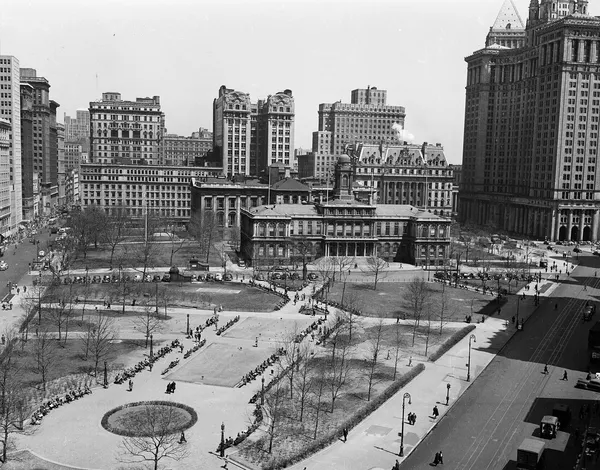
Concurrently at City Hall, the Council of the District of New York convened a rare, high-stakes 'Committee of the Whole' oversight hearing examining municipal risks, civil rights impacts, and safety guardrails surrounding generative and automated artificial intelligence technologies. Tech executives and algorithmic research leads from OpenAI, Google, Anthropic, and Meta presented testimony before councilmembers assessing public procurement standards, automated tenant screening fairness, and municipal algorithmic transparency.
Council leadership introduced legislative drafts mandating rigorous algorithmic bias auditing for automated systems deployed by city agencies, establishing New York City as an active pioneer in municipal technological oversight.
Transit Capital Investments Advance with QueensLink Environmental Analysis
In mass transit capital coordination, city planning liaisons evaluated freshly released federally backed engineering studies assessing the revival of the disused Rockaway Beach Branch line for the QueensLink transit and park corridor. Civic advocates and transit planners affirmed that integrating transit-oriented development with rigorous technological oversight and fast-tracked affordable housing creates an equitable foundation for New York's future.
📰 Related Stories
- New York City Enforces Click to Cancel Digital Subscription Mandate as State Health Officials Expand Emergency Vaccination Protocols New York City • Oct 06, 2026
- Mayor Mamdani Enrolls 10,000 Children from Voucher Waitlist as NYC Advances 12-Neighborhood Housing Fast Track New York City • Oct 06, 2026
- MTA Approves Monitor Point Redevelopment in Greenpoint as Historic NYC Rent Freeze Takes Effect New York City • Oct 05, 2026
- Mayor Mamdani Activates Fast-Track Affordable Housing in 12 Districts as NYCHA Closes $607M Nostrand Modernization New York City • Oct 05, 2026