Oslo Accelerates 28 Billion NOK Fornebubanen Metro Megaproject as Tunnel Breakthroughs and Skøyen Station Take Shape
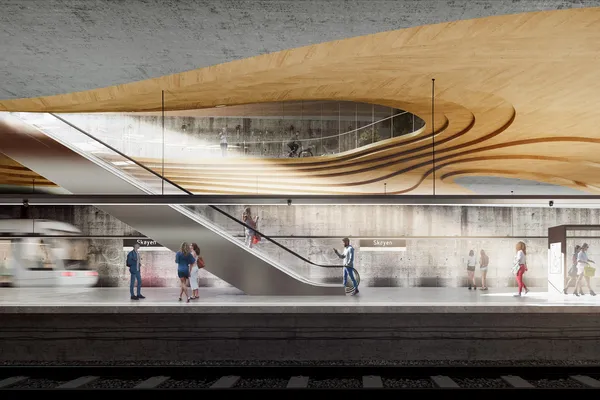
Norway’s Largest Modern Urban Transport Undertaking
OSLO, Norway — Marking major engineering progress on one of the most complex civil infrastructure projects in Nordic history, the City of Oslo and Akershus County Municipality are accelerating heavy construction across the 28 billion NOK Fornebubanen (Fornebu Line) metro expansion. Spanning 8.15 kilometres of continuous subterranean twin-track railway, the megaproject will integrate the rapidly developing Fornebu peninsula in Bærum directly into the existing Oslo T-bane rapid transit network at the Majorstuen central hub.
Overcoming intricate geological challenges through Scandinavia's ultra-hard precambrian gneiss and limestone formations, civil engineering crews have completed crucial bedrock tunnel breakthroughs between construction lots. The milestone connects continuous subterranean tunnel headings between Skøyen station and adjacent lots, paving the way for full linewide mechanical and electrical installations across the line.
Six Subterranean Stations Designed by World-Class Architects
The Fornebubanen alignment features six brand-new, cavernous underground stations: Fornebu, Flytårnet, Fornebuporten, Vækerø, Lysaker, and Skøyen. Designed in collaboration with leading architectural studios including Zaha Hadid Architects and Asplan Viak, each station reflects Norway's distinctive subterranean aesthetic, blending exposed sculpted bedrock caverns with soft Scandinavian timber paneling, natural light wells, and intuitive multi-level passenger wayfinding.
At Skøyen, a major commercial and residential hub in western Oslo, construction contractor Skanska is advancing heavy structural works on a massive multi-level underground metro terminal. Situated deep beneath the existing Skøyen railway station, the interchange will enable seamless transfers between national mainline Vy commuter trains, regional express services, local Ruter trams, and the high-frequency T-bane network.
Advanced Technical Installations and Automated CBTC Signaling
Entering its next intensive delivery phase, the Fornebubanen project is launching the comprehensive K3A linewide systems contract led by Nordic rail engineering specialists Baneservice. This phase encompasses the precision laying of ballastless slab track, the deployment of 750V DC third-rail traction power systems, sophisticated ventilation shafts designed for sub-zero Nordic winters, and high-efficiency emergency evacuation tunnels.
To maximize service frequency and commuter throughput, the line is being equipped with state-of-the-art Communications-Based Train Control (CBTC) digital signaling supplied by Siemens Mobility. The automated system will support high-frequency headways of under two minutes, enabling driver-assisted and automated operations that will ferry commuters between Fornebu and central Oslo in just 12 minutes—cutting existing rush-hour bus travel times in half.
Catalyzing Fossil-Free Urban Growth Across the Oslo Fjord Corridor
Oslo transport authorities and municipal leaders highlighted that Fornebubanen is crucial to fulfilling the capital region’s ambitious climate goals, which mandate a 95 percent reduction in municipal carbon emissions by 2030. Operating entirely on fossil-free renewable hydroelectric power, the new metro line will accommodate more than 50,000 passenger journeys daily, permanently removing tens of thousands of private vehicles from the heavily congested E18 western highway corridor.
Furthermore, the high-capacity transit spine serves as the vital catalyst for sustainable transit-oriented urban development, unlocking the planned construction of over 20,000 new energy-efficient homes and vibrant technological business clusters on the former grounds of Oslo’s historic airport. Fornebubanen sets an international benchmark for green, resilient urban megaproject execution in Northern Europe.
📰 Related Stories
- Explosion Reported Near U.S. Embassy in Oslo; No Casualties Confirmed Oslo • Mar 08, 2026