Houston METRO Adopts $1.7 Billion FY2027 Budget as City Advances 2026 Housing Action Plan
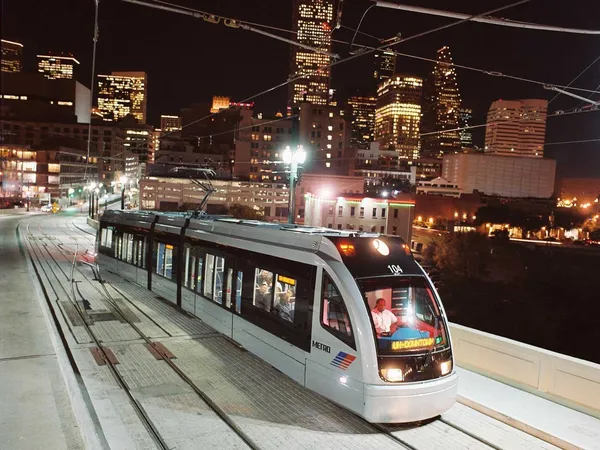
METRO Board Unanimously Approves $1.7 Billion FY2027 Operating and Capital Budget
HOUSTON, Texas — Solidifying transit stability across Harris County, the Board of Directors of the Metropolitan Transit Authority of Harris County (METRO) unanimously adopted its $1.7 billion budget and business plan for Fiscal Year 2027 on September 30, 2026. The financial roadmap achieves operational balance without reducing local bus or METRORail service frequencies, avoiding debt restructuring or draws from emergency reserve funds.
The adopted framework directs $371.5 million toward capital projects, prioritizing accessibility retrofits across bus stops, facility state-of-good-repair overhauls, and the procurement of modern clean-diesel and electric transit vehicles. Working with grassroots transit advocacy groups like LINK Houston, METRO planners also enacted specialized route mitigations to guide commuters smoothly around detour corridors generated by the Texas Department of Transportation's (TxDOT) ongoing I-45 expansion.
City Council Implements 2026 Housing Action Plan and Enforces Redevelopment Oversight
In municipal community development, Mayor John Whitmire and the Houston City Council advanced allocations under the city’s 2026 Annual Action Plan. The federal block grant package channels tens of millions of dollars into down-payment assistance programs, the construction of resilient multi-family rental developments, and targeted homelessness rapid-rehousing initiatives.
Concurrently, the Whitmire administration reinforced transparency standards across Houston's Tax Increment Reinvestment Zones (TIRZs) and the Houston Housing Authority. Following landmark judicial rulings holding former redevelopment officials accountable for fund diversion in the Third Ward, the city introduced mandatory external compliance audits to ensure every public dollar directly expands attainable housing stock.
Multimodal Street Enhancements and Clean Transit Corridors
Civil engineering teams also broke ground on pedestrian and safety enhancements along core avenues connecting the Texas Medical Center and downtown. Upgrades include high-visibility crosswalks, dedicated bike avenues, and smart traffic sensors to reduce bus idling and pedestrian conflict points.
Transportation and civic officials affirmed that prudent fiscal management, strict housing accountability, and reliable public transit routes ensure Houston remains a thriving, accessible economic hub for all residents.
📰 Related Stories
- Houston Advances Emancipation Avenue Low-Barrier Navigation Center as City Launches 2026 Action Plan Houston • Oct 05, 2026
- Houston METRO Board Approves $1.7B Balanced Budget for FY2027 Preserving All Bus and Rail Services Houston • Oct 05, 2026
- Houston METRO Approves $1.7B Balanced Budget as $150M CityNorth Industrial Park Revitalizes Greenspoint Houston • Oct 04, 2026
- Port Houston Eliminates Nighttime Ship Curbs Following Project 11 Widening as City Bolsters Drainage CIP Houston • Oct 04, 2026