Charlotte City Council Advances $37.9M Red Line Rail Design as Housing Committee Reviews Trust Allocations
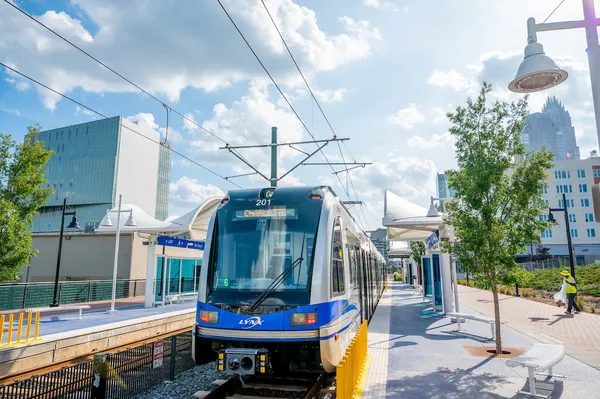
30% Engineering Milestones Advance for 25-Mile Red Line Passenger Rail
CHARLOTTE, North Carolina — Taking definitive steps toward expanding regional passenger rail across the Charlotte metropolitan area, the Charlotte City Council and the Charlotte Area Transit System (CATS) advanced design operations under the $37.9 million contract to bring the Red Line commuter rail to 30 percent engineering design. Scheduled for design completion by late 2027, the line establishes rapid transit connectivity between Uptown Charlotte and northern Mecklenburg County.
Utilizing 25 miles of existing Norfolk Southern rail right-of-way, the Red Line will link Center City directly to Huntersville, Cornelius, Davidson, and southern Iredell County near Lake Norman. Transit planners highlighted that securing preliminary design parameters sets the stage for federal capital funding applications and integrates passenger rail into regional land-use master plans.
City Council Housing Committee Reviews Affordable Housing Trust Fund Deployments
In civic housing deliberations, the Charlotte City Council Housing Committee convened on October 5, 2026, to review allocations under the municipal Housing Trust Fund and the 2026–2027 Annual Action Plan. Committee members scrutinized financing structures for multi-family workforce developments and analyzed performance benchmarks following the recent pause on a $1 million teacher housing initiative to ensure taxpayer accountability.
The city's federal HUD action plan targets gap financing for low- and moderate-income rental properties, homeownership down payment assistance, and permanent supportive housing programs along emerging transit corridors, ensuring long-term affordability as regional population surges.
CATS Establishes Permanent Rider and Accessibility Advisory Panels
Strengthening community oversight, CATS finalized appointments for two newly established permanent governance panels: the Mobility Access Committee (MAC) and the Transit Riders Advisory Committee (TRAC). The bodies ensure that daily bus and light rail riders, disability advocates, and neighborhood leaders directly influence route scheduling, safety protocols, and station amenities.
Regional leaders underscored that pairing transformational commuter rail engineering with rigorous affordable housing governance positions Charlotte for sustainable, equitable prosperity.
📰 Related Stories
- Charlotte Unveils 'Skilled to Build' Transit Workforce Program as Food Lion Opens Mintworth Supermarket Charlotte • Oct 05, 2026
- Charlotte City Council Enacts 10-Month Youth Curfew Pilot Program to Bolster Uptown Public Safety Charlotte • Oct 05, 2026
- CATS Launches 15-Minute Airport Sprinter Under 'Better Bus' as Charlotte Reviews $125M Housing Bonds Charlotte • Oct 04, 2026
- Charlotte CATS Rolls Out 'Better Bus' Upgrades with 15-Minute Airport Sprinter as River District Breaks Ground on Mass-Timber Firehouse Charlotte • Oct 04, 2026