Valley Metro Advances Indian School Road Light Rail Design as Phoenix Prepares October 26 Microtransit Launch
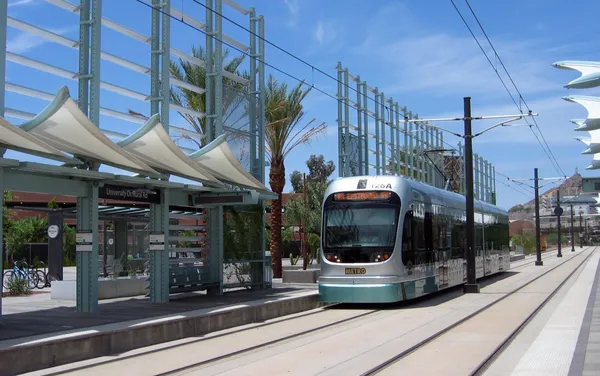
Community Open Houses Set for 10-Mile Indian School Road Light Rail Extension
PHOENIX, Arizona — Accelerating high-capacity rapid transit into historically transit-reliant neighborhoods, Valley Metro and the Phoenix Public Transit Department advanced detailed engineering and environmental planning in October 2026 for the 10-mile Indian School Road Light Rail Extension. Connecting the Maryvale community and the Desert Sky Transit Center directly to the existing Valley Metro Rail spine on Central Avenue, the corridor will provide high-frequency transit for tens of thousands of West Valley residents.
Regional transit planners scheduled comprehensive public open houses, including a marquee community session on October 14, 2026, at Steele Indian School Park Memorial Hall. City leaders emphasized that prioritizing the Indian School alignment delivers superior ridership equity and connects major healthcare corridors, schools, and commercial nodes across west-central Phoenix.
Phoenix Finalizes Three On-Demand Microtransit Zones Ahead of October 26 Launch
Expanding multimodal transit flexibility, municipal officials completed operational testing for three localized on-demand microtransit zones set to activate officially on October 26, 2026. Utilizing zero-emission and low-emission passenger vans, the microtransit program offers flexible, curb-to-station neighborhood rides that seamlessly connect lower-density subdivisions with major bus transfer stations and light rail stops.
Simultaneously, Valley Metro updated timetables across its Phoenix RAPID commuter express bus network along the Interstate 17 and State Route 51 corridors to improve morning and evening commute reliability. The synchronized service rollout eliminates transit deserts and creates frictionless first-mile and last-mile connectivity for daily desert commuters.
Transit-Oriented Communities Initiative Drives Over 2,200 Attainable Housing Units
In urban development, the City of Phoenix reported that its targeted Transit Oriented Communities (TOC) framework has now helped facilitate the creation of over 2,200 affordable and workforce housing units within walking distance of high-capacity transit stations. By leveraging zoning incentives and regional Proposition 479 infrastructure funding, Phoenix is stimulating walkable, mixed-use communities that reduce resident dependence on personal automobiles.
Civic and transportation leaders lauded the city's coordinated velocity across rail extensions, microtransit technology, and attainable housing, positioning Phoenix at the cutting edge of sustainable desert urbanism.
📰 Related Stories
- West Phoenix Pedestrian Killed Outside Crosswalk as Police Probe Light Rail Shooting and ADOT Clears I-10 Phoenix • Nov 23, 2026
- Phoenix Sky Harbor Prepares for Thanksgiving Rush as Loose Emu Draws Attention in Surprise and ASU Celebrates Homecoming Phoenix • Nov 22, 2026
- Arizona Prosecutors Charge 314 in Enforcement Sweep as AG Mayes Seeks SpaceX Data Center Delay and Boise Cascade Reopens Phoenix Hub Phoenix • Nov 21, 2026
- Ahwatukee Residents File $11M Notice of Claim Against Phoenix Over Data Center as ADOT Clears Weekend Freeways Phoenix • Nov 20, 2026