San Francisco and Silicon Valley Usher in Modern Transit Era as Caltrain Completes 51-Mile Electrification with New High-Performance Fleet
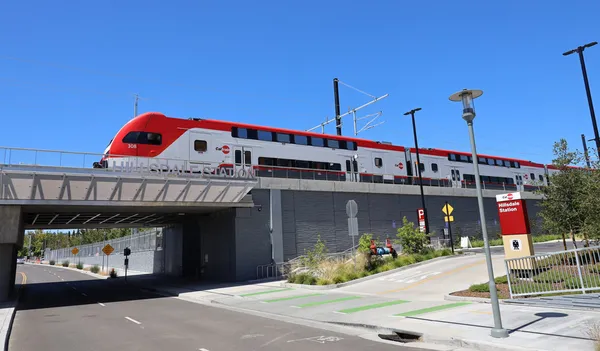
Historic Transformation for California's Oldest Continuous Passenger Railroad
SAN FRANCISCO, California — In the most significant operational transformation in its 160-year history, Caltrain has completed the full conversion of its 51-mile passenger rail corridor between San Francisco’s 4th and King Station and San Jose’s Diridon Station to 100 percent electric power. Replacing legacy diesel-electric locomotives with a state-of-the-art fleet of zero-emission Stadler KISS electric multiple units (EMUs), the historic $2.44 billion Caltrain Electrification Project marks the first major commuter rail electrification in California in a century.
Funded through a consortium of federal grants, regional transit funds, and the California High-Speed Rail Authority, the electrified line delivers a 20 percent increase in overall service frequency, reduces express travel times between San Francisco and San Jose to under 59 minutes, and slashes corridor greenhouse gas emissions by 250,000 metric tons annually—the equivalent of removing 55,000 passenger cars from Highway 101 each year.
Stadler High-Performance Electric Fleet and Elevated Passenger Experience
The centerpiece of the new service is the introduction of 23 seven-car electric trainsets built by Stadler US in Salt Lake City. Powered by a continuous 25-kilovolt AC overhead catenary system supported by more than 3,000 overhead contact wire poles and two new traction power substations, the high-acceleration trainsets can sprint rapidly from station stops, drastically compressing schedule run times.
Inside, passengers benefit from modern amenities designed for the Bay Area workforce, including free high-speed Wi-Fi, digital infotainment route displays, power outlets at every forward-facing seat, advanced climate control, and expanded dedicated bicycle storage cars featuring automated security racks. Step-free low-floor vestibules and dual-height doors also prepare the fleet for future shared operations with California High-Speed Rail.
Rebuilding Peninsula Infrastructure and Power Transmission
Beyond the overhead wire system, engineering crews retrofitted four historic tunnels south of San Francisco, modernized 42 grade crossings with upgraded warning systems, and integrated advanced Positive Train Control (PTC) signaling. The electrical infrastructure is supplied through partnerships with Pacific Gas and Electric (PG&E), drawing from a high-voltage substation network designed to ensure 99.9% uptime even during extreme weather events.
The quieter electric operations eliminate diesel exhaust fumes and localized particulate pollution in dense, historically disadvantaged trackside neighborhoods across San Francisco, San Mateo, and Santa Clara counties, dramatically improving air quality for hundreds of thousands of Peninsula residents.
A Transformative Step for Regional Transit Integration
Executive Director Michelle Bouchard and Bay Area transportation leaders emphasized that the electrified Caltrain corridor serves as the backbone for northern California's integrated multimodal transit network. Seamless transfers at Millbrae to BART, at Diridon to ACE and Amtrak Capitol Corridor, and in San Francisco to Muni light rail position the rail line to absorb surging ridership across Silicon Valley's tech and innovation corridors for decades to come.
📰 Related Stories
- San Francisco Fleet Week 2026 Launches Along Embarcadero as Federal and Local Sweep Nets 84 Arrests San Francisco • Oct 05, 2026
- Caltrain Completes Historic $2.44 Billion Electrification Launching High-Speed Electric Train Service Between San Francisco and San Jose San Francisco • Oct 05, 2026
- Unseasonal October Heat Wave Prompts Bay Area Alerts as Bernie Sanders Leads San Francisco Rally San Francisco • Oct 05, 2026
- San Jose Fire Deploys Mobile Care Unit Pilot as City Wins National 2026 HR Agency of Excellence Award San Jose • Oct 05, 2026