D.C. Council Evaluates $3.8B RFK Campus Master Plan as Mayor Bowser Advances Housing Investment Protection Act
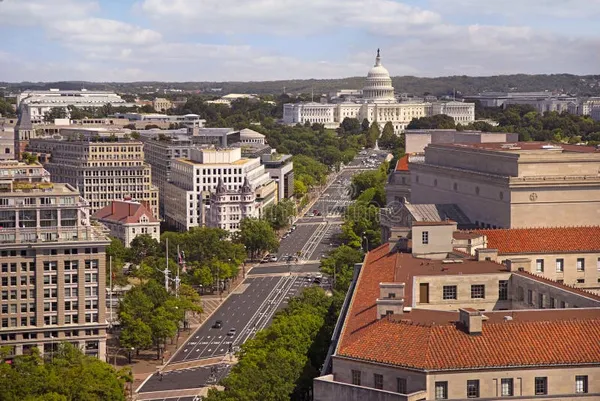
Council Holds Roundtables on $3.8 Billion RFK Stadium Redevelopment
WASHINGTON, District of Columbia — In one of the most consequential urban planning hearings in modern District history, the Council of the District of Columbia convened formal public sessions in October 2026 to evaluate Mayor Muriel Bowser’s $3.8 billion master plan for the 180-acre RFK Stadium campus. The ambitious proposal envisions transforming the historic waterfront site into a multifaceted sports and civic anchor featuring a 65,000-seat stadium for the Washington Commanders alongside up to 6,500 new mixed-income housing units.
During extensive legislative deliberations, councilmembers, neighborhood leaders, and regional environmental groups examined traffic circulation models, green parkland buffers, and community equity safeguards, ensuring the transformative riverfront development delivers permanent public recreation and affordable workforce housing for surrounding wards.
Mayor Bowser Champions Housing Investment Protection Act of 2026
Addressing metropolitan housing challenges, Mayor Bowser advanced a strategic legislative package centered on the Housing Investment Protection Act of 2026. Structured to stabilize regional residential development, the statutory framework modernizes municipal building codes, strengthens tenant safeguards, and introduces targeted construction incentives to resolve private borrowing bottlenecks.
Concurrently, the D.C. Council Committee on Housing, led by Councilmember Robert White, introduced the Pre-Approved Housing Plans Act of 2026. By establishing a catalog of pre-engineered, city-approved designs for rowhouses, duplexes, and multi-unit infill developments, the policy slashes permitting review delays and engineering costs for community builders expanding housing inventory.
WMATA Modernizes Station Hubs and Furthers Systemwide Automation
Across the capital's public transportation network, the Washington Metropolitan Area Transit Authority (WMATA) progressed significant station enhancement initiatives. Recent project delivery includes state-of-the-art wayfinding digital signage at L’Enfant Plaza, modernized passenger canopies at Judiciary Square, and expanded intermodal bus boarding loops across high-traffic transfer stations.
Transit leadership also reviewed implementation phases for the transit board's long-term $913 million Red Line automation program, which introduces precision automated train control and advanced platform screen door safety barriers. District leaders emphasized that synchronized progress in housing deregulation and rapid rail modernization positions Washington at the forefront of metropolitan livability.
📰 Related Stories
- D.C. Council Evaluates Final RFK Campus Master Plan as Housing Committee Advances Landlord Accountability Reforms Washington • Oct 03, 2026
- D.C. Council Reviews Final RFK Campus Master Plan Delivering 6,500 Homes, Gold Line BRT, and 30% Affordability Mandate Washington • Oct 03, 2026
- D.C. Council Holds Decisive Hearing on 180-Acre RFK Campus Master Plan Delivering 6,500 Homes and Gold Line Rapid Transit Washington • Sep 30, 2026
- D.C. Council Holds Decisive Public Hearing on Final 180-Acre RFK Campus Master Plan as Bowser Advances 1,200 New Homes Washington • Sep 30, 2026